OpenAI’s long-rumored move into consumer hardware is starting to look very real. According to a new Bloomberg report, the Sam Altman led company has quietly hired more than 40 former Apple employees in just the last month. For the AI world and the broader tech industry, that is a huge signal.
The hires span design, engineering, and product leadership, and they point to one clear conclusion: OpenAI is not just experimenting with gadgets. It is building a serious AI hardware division that could soon compete with the biggest device makers in the world.
A Secret Hardware Team Backed By Apple Veterans
Bloomberg’s reporting suggests that OpenAI has been aggressively recruiting from nearly every major hardware group inside Apple. This is not a trickle of junior hires; it is a focused wave of senior engineers, directors, and specialists.
Some of the high-profile names associated with this shift include:
- Former Apple industrial design leaders.
- Experienced hardware product executives.
- Engineers with deep expertise in device engineering and manufacturing.

This is not the first time Jony Ive the former Apple design chief has pulled trusted colleagues into a new project. His design firm LoveFrom was filled with ex-Apple designers. Now, many of those familiar faces are joining him again, this time under the OpenAI umbrella.
For OpenAI, tapping into this group means instant access to world-class knowledge in industrial design, materials, user experience, and large-scale hardware production. For Apple, it means a direct leak of experience and know-how to a rival that is now stepping firmly into the device space.
The Jony Ive Connection And The $6 Billion “io” Deal
OpenAI’s hardware push is tied closely to its relationship with Jony Ive. Earlier in 2025, the company acquired Ive’s startup, io, in a deal reportedly worth around $6 billion. That acquisition did more than add a new product. It brought in a design culture that helped define the modern smartphone era.
With Ive on board, OpenAI gains:
- Decades of experience designing consumer hardware that feels premium and approachable.
- A proven track record of turning complex technology into simple, desirable objects.
- Deep relationships with hardware talent across Silicon Valley and beyond.
Altman and Ive have already hinted that OpenAI’s first hardware products could land as early as 2026. Details remain secret, but the timing of this Apple talent wave suggests that product development is rapidly moving from concept into real engineering.
What Kind Of AI Hardware Could OpenAI Be Building?
OpenAI has not announced any specific device yet, but the combination of AI expertise, Ive’s design language, and Apple-level hardware skill points to a new kind of AI-first product, not just another phone or laptop.
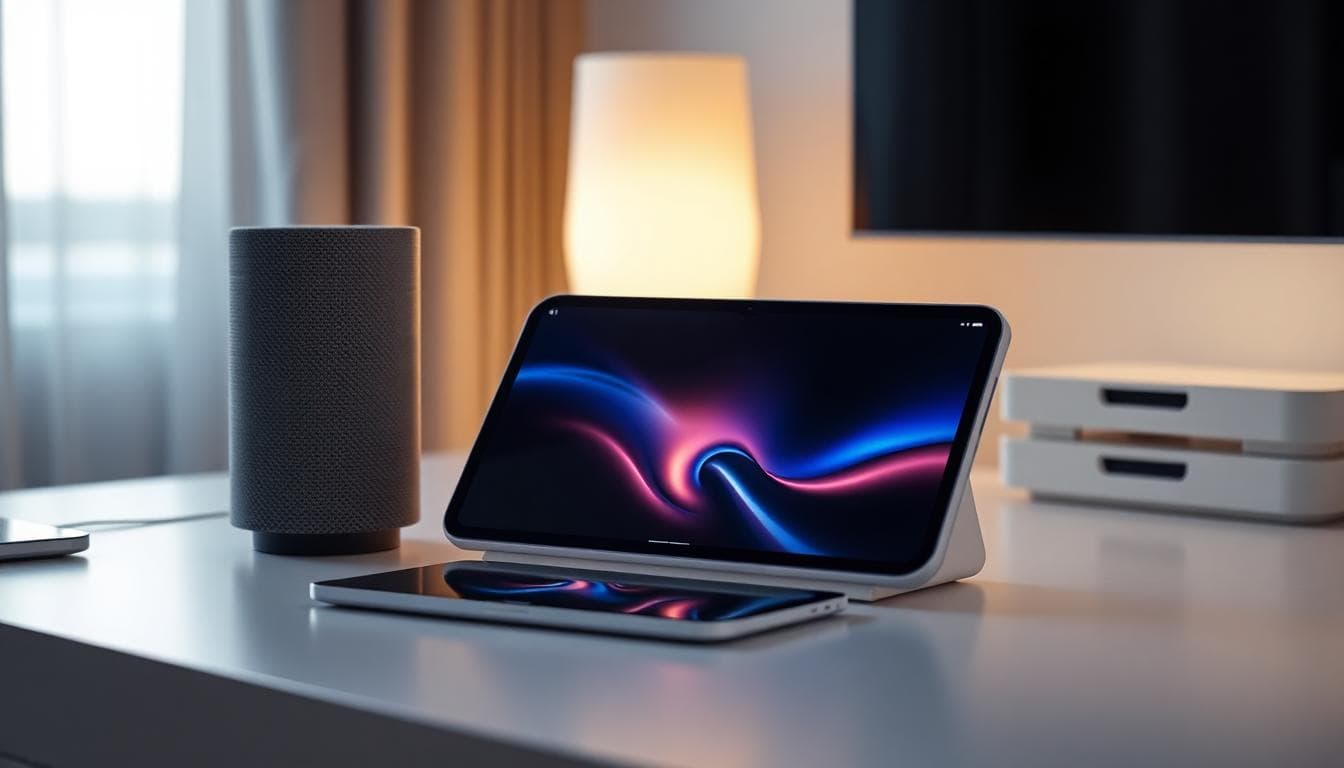
Some possible directions include:
- AI-first personal devices that act as ambient assistants, combining voice, vision, and context.
- Desk or home hubs designed to be always-on, conversational, and deeply integrated with OpenAI models.
- Wearables or accessories that bring ChatGPT-like capabilities closer to daily life without a full phone screen.
Regardless of form factor, the common thread is clear. OpenAI likely wants to design hardware around the AI experience instead of simply adding AI features to existing device categories.
Why Apple Is Feeling The Pressure
On the other side of this hiring spree is Apple, which is itself racing to refresh its AI story. Apple has been working quietly on several AI powered projects, including:
- New smart home hardware that goes beyond the current HomePod line.
- Robotics and automation initiatives for the home and office.
- Advanced AirPods with on-board AI and possibly built-in cameras.
- Early concepts for smart glasses with AI-driven features.
Losing senior engineers at a moment when AI hardware is so strategic could slow some of these efforts. Reports suggest that Apple leaders are frustrated by the steady outflow of talent to OpenAI and other AI-focused firms.
Apple’s most visible AI problem has been Siri. Once a pioneer, it now trails newer assistants like ChatGPT and Gemini. To catch up, Apple has reportedly struck a $1 billion deal with Google to integrate Gemini into a massive Siri upgrade expected next year. That partnership alone shows how high the stakes have become in AI.
From Software To Silicon: AI’s New Hardware Race
For years, OpenAI was known mainly as a software company building powerful models like GPT-4 and GPT-5 style systems. This new hiring wave makes it clear that the next stage of competition will not live in the cloud alone. It will live in devices, sensors, and custom silicon tuned for AI.
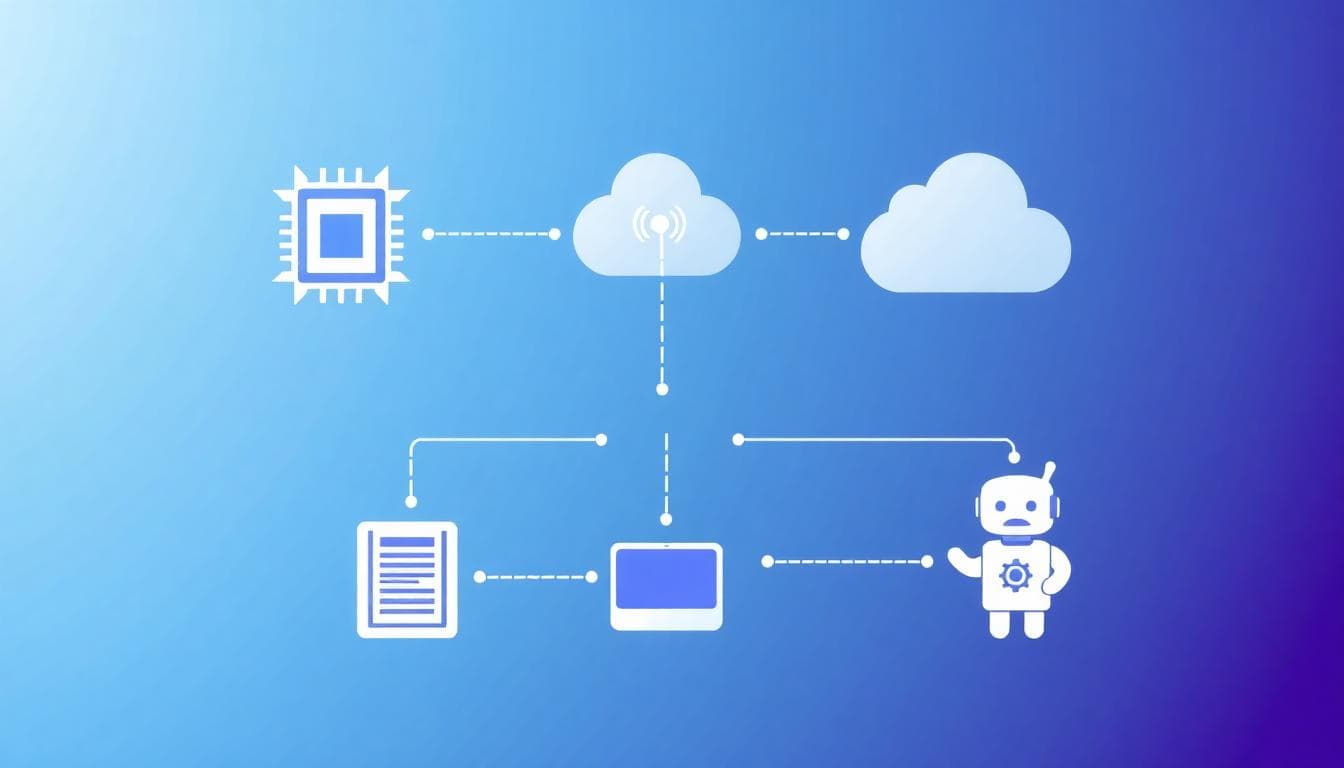
OpenAI’s strategy appears to be about owning more of that stack:
- Models that power reasoning, language, vision, and planning.
- Custom-tuned hardware that makes those models feel fast and natural in everyday use.
- Consumer-grade design that turns complex AI into friendly, trusted products.
With Ive’s design instincts and Apple veterans behind the scenes, OpenAI could create experiences that feel less like “using a chatbot” and more like interacting with an always-present digital companion.
What This Means For Users And The Tech Industry
For everyday users, this shift could mean a wave of new AI devices starting around 2026:
- Smarter home assistants that understand context and nuance far better than today’s smart speakers.
- Personal AI devices that follow you across rooms and tasks without needing a screen-first interface.
- New ways to interact with AI that feel natural, conversational, and deeply integrated into daily life.
For the tech industry, OpenAI’s push sends a clear message. The future of AI will not be only about cloud APIs and web apps. It will be about owning the physical experiences where AI shows up: in your house, your pocket, your car, and your workspace.
Looking Ahead
OpenAI has not officially confirmed all of the roles or detailed its hardware roadmap. There are no product names, no leaked photos, and no launch dates beyond loose hints about 2026. But a hiring wave of more than 40 ex-Apple experts speaks louder than any teaser.
If the company can blend cutting-edge models with Apple-grade design and engineering, it could become one of the most important hardware players in the AI era, not just a software supplier.
For now, the hardware team remains secretive. But the message is clear: OpenAI is gearing up to step out of the browser and into your hands, your home, and your everyday life.
To contact us click Here .