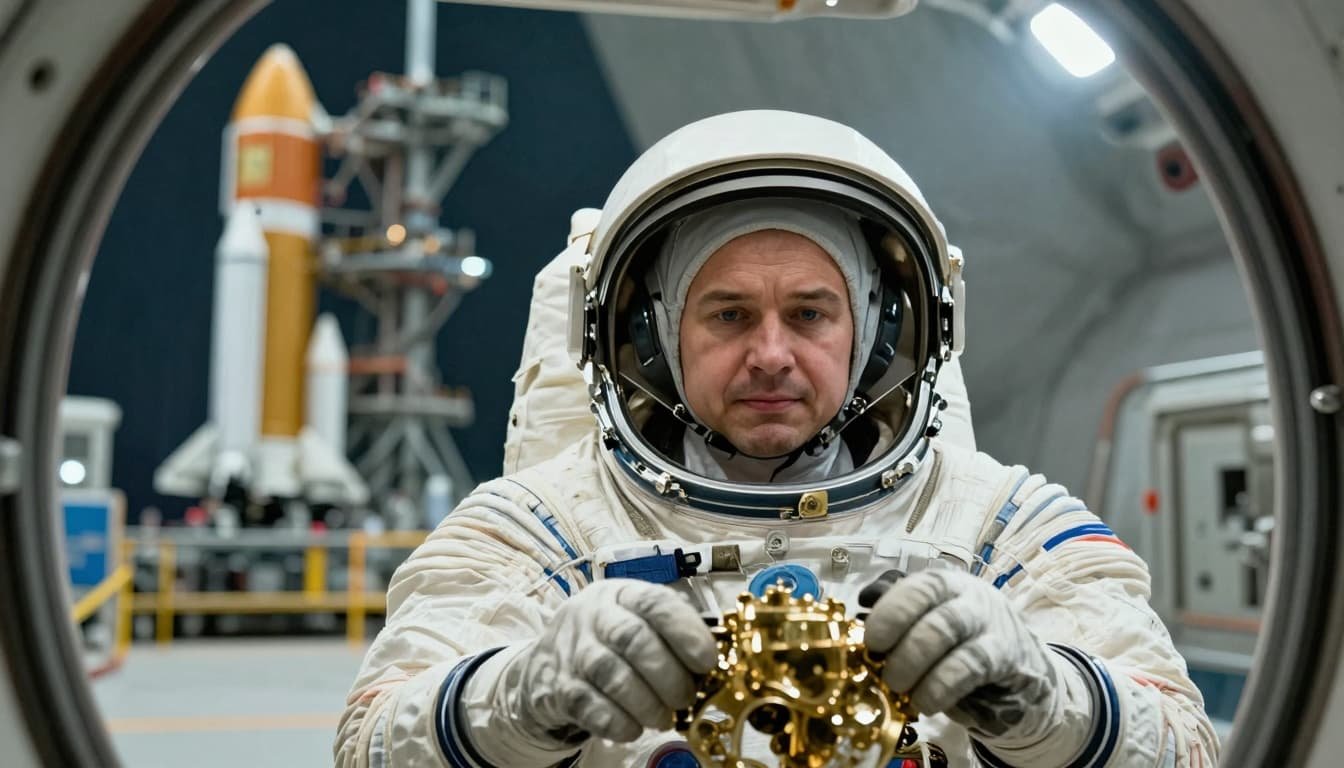
A veteran Russian cosmonaut has been suddenly removed from a future joint Russian–U.S. mission to the International Space Station after reports that he took photos of sensitive SpaceX hardware without permission. The move has raised questions about security, trust, and the future of cooperation in space.
In this article, we will break down what happened, who is involved, why the incident matters, and what it could mean for future missions between Russia, the United States, and private space companies like SpaceX.
Who Is the Cosmonaut at the Center of the Story?
The cosmonaut in question is Oleg Artemyev, a highly experienced Russian space traveler. At 54 years old, Artemyev is not a rookie. He has completed three space flights and spent a total of 560 days in orbit. He has walked in space, worked on the International Space Station, and earned the Hero of the Russian Federation honor, one of the highest awards in the country.
In addition to his work in space, Artemyev has also been active in politics. Since 2019, he has served as a deputy in the Moscow City Duma and is a member of the United Russia party. All of this makes the decision to pull him from a mission both surprising and serious.
What Mission Was He Removed From?
Artemyev was scheduled to fly on Crew-12, a SpaceX Crew Dragon mission under NASA’s commercial crew program. Crew-12 is planned as the twelfth crewed flight of Crew Dragon, which regularly carries astronauts to the International Space Station.
This mission is part of a “seat-exchange” agreement between NASA and Russia’s space agency, Roscosmos. Under this deal, U.S. astronauts fly on Russian Soyuz spacecraft, and Russian cosmonauts ride on American Crew Dragon vehicles. The goal is to keep both countries involved in ISS operations and to ensure there is always at least one crew member from each side on board.
Crew-12 is expected to launch in the first half of 2026 and carry four people to the ISS. After the sudden change, Artemyev’s place on the crew list has been given to another Russian cosmonaut, Andrey Fedyaev, according to official rosters.
What Is Artemyev Accused Of Doing?
Official statements from Roscosmos have been vague. The agency said only that Artemyev was replaced because he is “transitioning to another job.” They did not explain what this new role is, or if he is leaving the space agency fully.
However, reports on social media and from space industry watchers tell a more serious story. According to these unconfirmed reports, Artemyev used his phone to take photos of engines and other sensitive hardware at a SpaceX facility without permission. He then allegedly took these images out of the facility, which could be a violation of U.S. export control rules, especially the International Traffic in Arms Regulations, often referred to as ITAR.
One analyst, Georgy Trishkin, has said his sources confirmed that an interagency investigation is under way. He also suggested that Artemyev has already been sent out of the United States following the incident. At the time of writing, NASA has not publicly commented on any of these claims.
Why Are SpaceX Facilities So Sensitive?
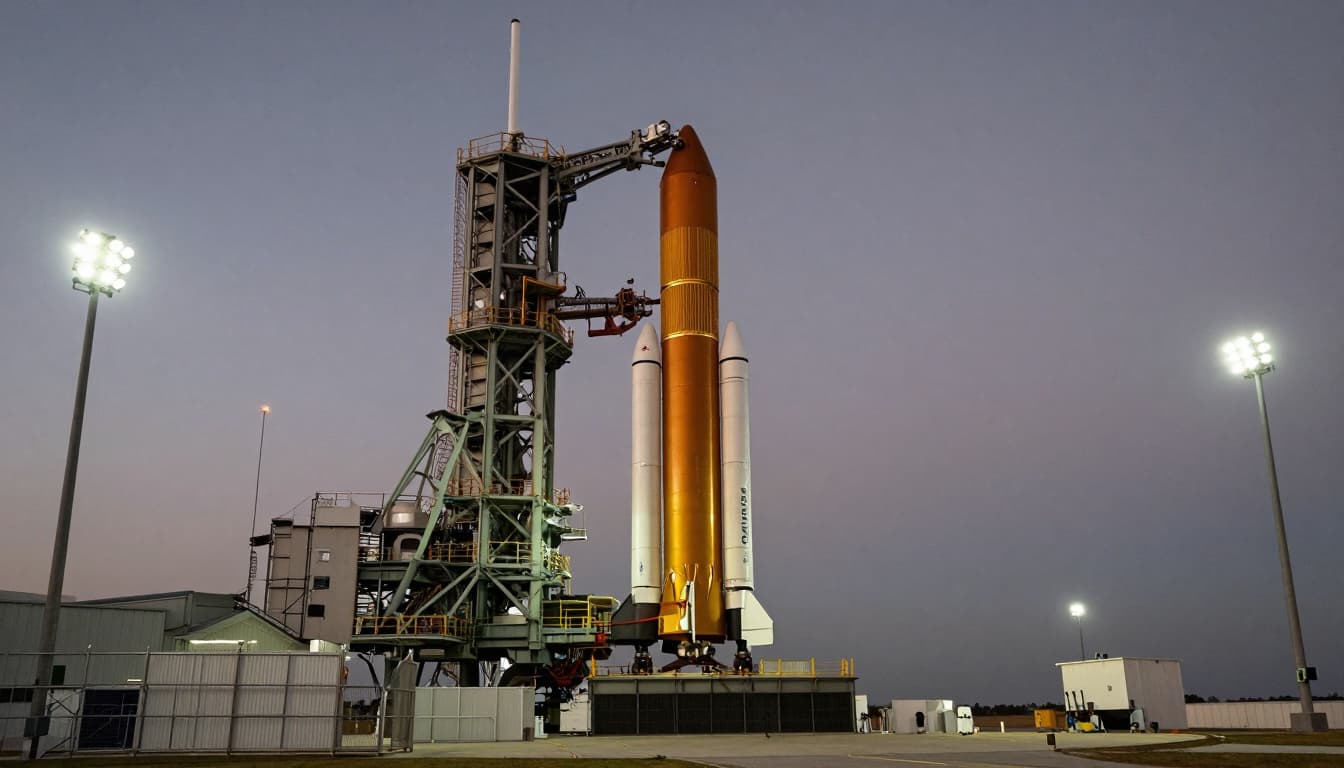
SpaceX is a private company, but much of its work touches on national security and advanced technology. Rockets, engines, and control systems can have both civilian and military uses. This is why U.S. export laws are strict about who can see, record, or share technical details.
Taking photos inside such facilities is usually tightly controlled. Even employees face rules about what they can capture and share. For foreign visitors, like international astronauts and cosmonauts, security rules are often even stricter.
Why This Incident Is So Remarkable
Pulling an experienced cosmonaut from a flight only a few months before launch is unusual. Training for missions is long and complex. Swapping out a crew member late in the process can disrupt planning and coordination for everyone involved.
Analysts say it is hard to imagine someone with Artemyev’s background making such a serious mistake by accident. This is part of why the alleged photo-taking is being treated as a big deal. If proven true, it would be seen as a major breach of trust and security.
The timing also matters. Russian–U.S. relations on Earth are strained, but both sides have continued to work together in space. The ISS is one of the few remaining areas of direct cooperation. Any incident that shakes trust between the partners can put this fragile balance at risk.
Could This Affect Future Joint Missions?
For now, both NASA and Roscosmos are trying to keep missions on track. Crew-12 still has a Russian seat, now filled by Andrey Fedyaev. The seat-exchange program is seen as important for safety, logistics, and political balance on the ISS.
However, if the incident leads to tighter security rules, it could change how future crews train and move around facilities. SpaceX and NASA may limit where foreign visitors can go, what devices they can carry, or how they interact with hardware on the ground.
It could also increase pressure on both sides to use their own vehicles instead of relying on each other’s systems. That would go against the spirit of joint missions, but it may be seen as safer from a security point of view.
What We Still Do Not Know
There are many open questions:
- Exactly what did Artemyev photograph, and how sensitive was it?
- Did he act on his own, or was anyone else involved?
- Will he face legal or professional consequences beyond losing his seat on Crew-12?
- How will NASA and SpaceX adjust their rules for future international visitors?
Because the case involves national security and export control rules, many details may never be made public. For now, much of what we know comes from leaks, analysts, and indirect signs, like the sudden crew change.
Why This Story Matters for Space Fans and the Public
This incident is more than a small staffing change on a future mission. It highlights the growing role of private companies like SpaceX in human spaceflight, and the tension between openness and security.
International crews, shared vehicles, and cross-training have helped space agencies learn from each other and keep the ISS running. At the same time, advanced hardware and strict laws mean that mistakes, even simple ones with a smartphone, can have serious consequences.
As more countries and companies enter space, stories like this will likely become more common. The big question is whether cooperation can survive tighter rules and rising mistrust on the ground.
For now, Crew-12 is still moving ahead, but with a different Russian cosmonaut in the seat once meant for Oleg Artemyev. The mission will be watched closely, not only for science and exploration, but also as a test of how much trust still exists between space partners who remain rivals on Earth.
To contact us click Here .