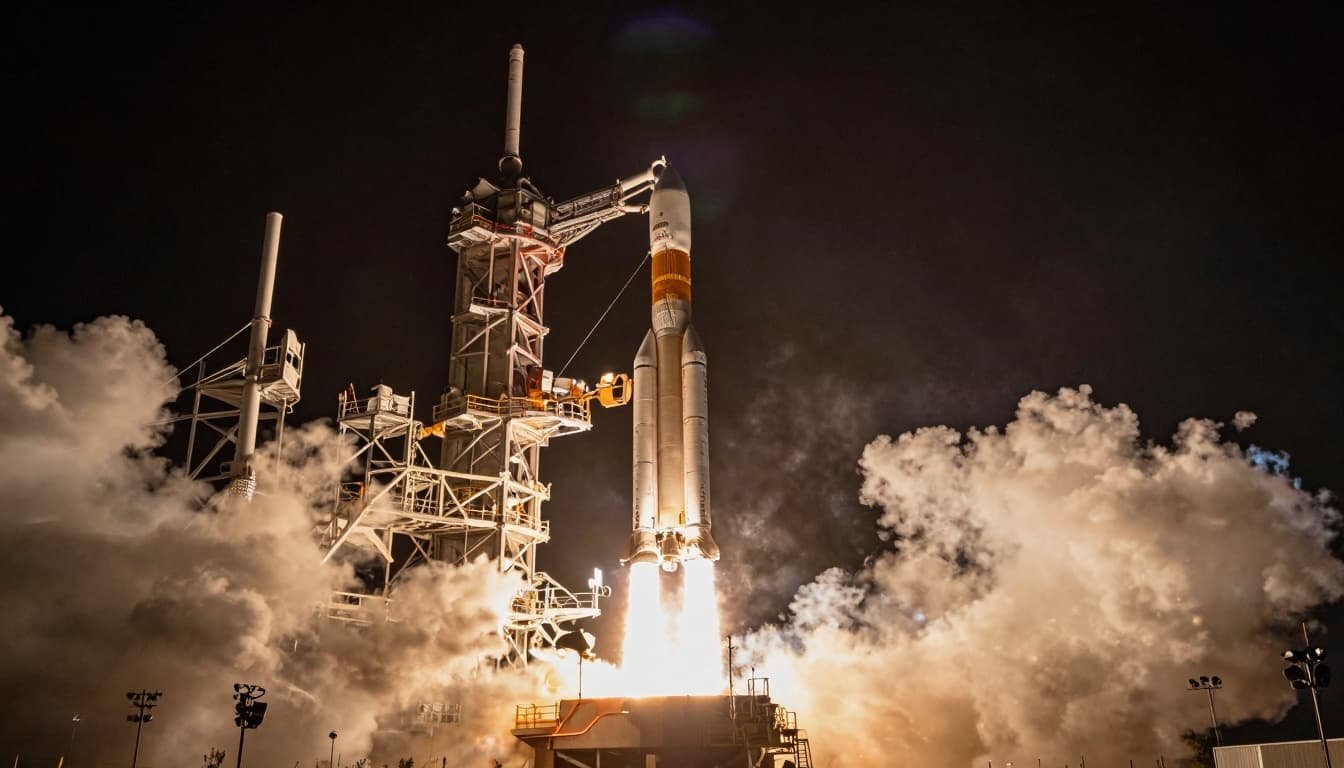
SpaceX is set to continue its rapid launch pace with yet another Falcon 9 mission, this time from Vandenberg Space Force Base in California. The upcoming Starlink 15-11 mission will mark the company’s 160th Falcon 9 launch of 2025, a number that highlights how routine orbital missions have become for SpaceX.
This flight will carry 27 more Starlink satellites into low Earth orbit, expanding SpaceX’s global broadband network. The mission also features a well-traveled booster that has already supported a range of high-profile government and commercial launches.
Launch Schedule and Key Details
Liftoff of the Starlink 15-11 mission is scheduled for 3:40 a.m. PST on Wednesday (6:40 a.m. EST / 1140 UTC). The rocket will launch from Space Launch Complex 4 East at Vandenberg, a site often used for polar and high-inclination orbits.
The pre-dawn launch window should provide a dramatic view for observers along parts of the West Coast, weather and viewing conditions permitting. For those not in the area, live coverage is planned to begin about 30 minutes before liftoff.
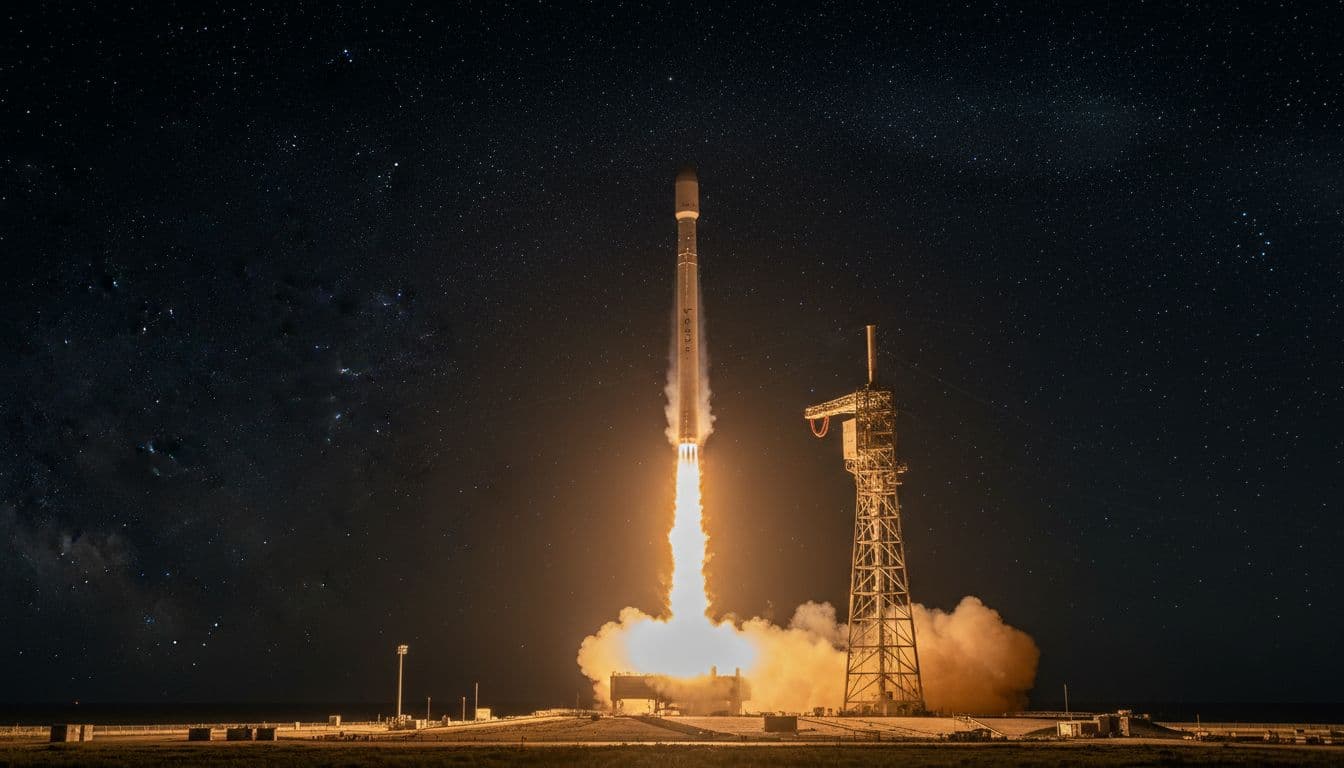
The Star of the Show: Booster B1082
The mission will use Falcon 9 first stage booster B1082, a veteran of the SpaceX fleet. This flight will be its 18th mission, a milestone that shows how far the company’s reusability goals have come.
B1082 has already supported several notable flights, including:
- USSF-62 (a mission for the U.S. Space Force),
- NROL-145 (a mission for the National Reconnaissance Office), and
- OneWeb Launch 20 (deploying satellites for another communications network).
Each successful reflight of a booster like B1082 helps SpaceX lower costs and increase its launch cadence. It also pushes the boundaries of how many times a single first stage can safely return to space, land, and fly again.
Droneship Landing on “Of Course I Still Love You”
About eight and a half minutes after liftoff, the booster is expected to attempt a landing on the droneship Of Course I Still Love You (OCISLY), stationed downrange in the Pacific Ocean.
If the landing is successful, it will mark:
- The 169th landing on this particular droneship, and
- The 548th Falcon booster landing in SpaceX’s history.
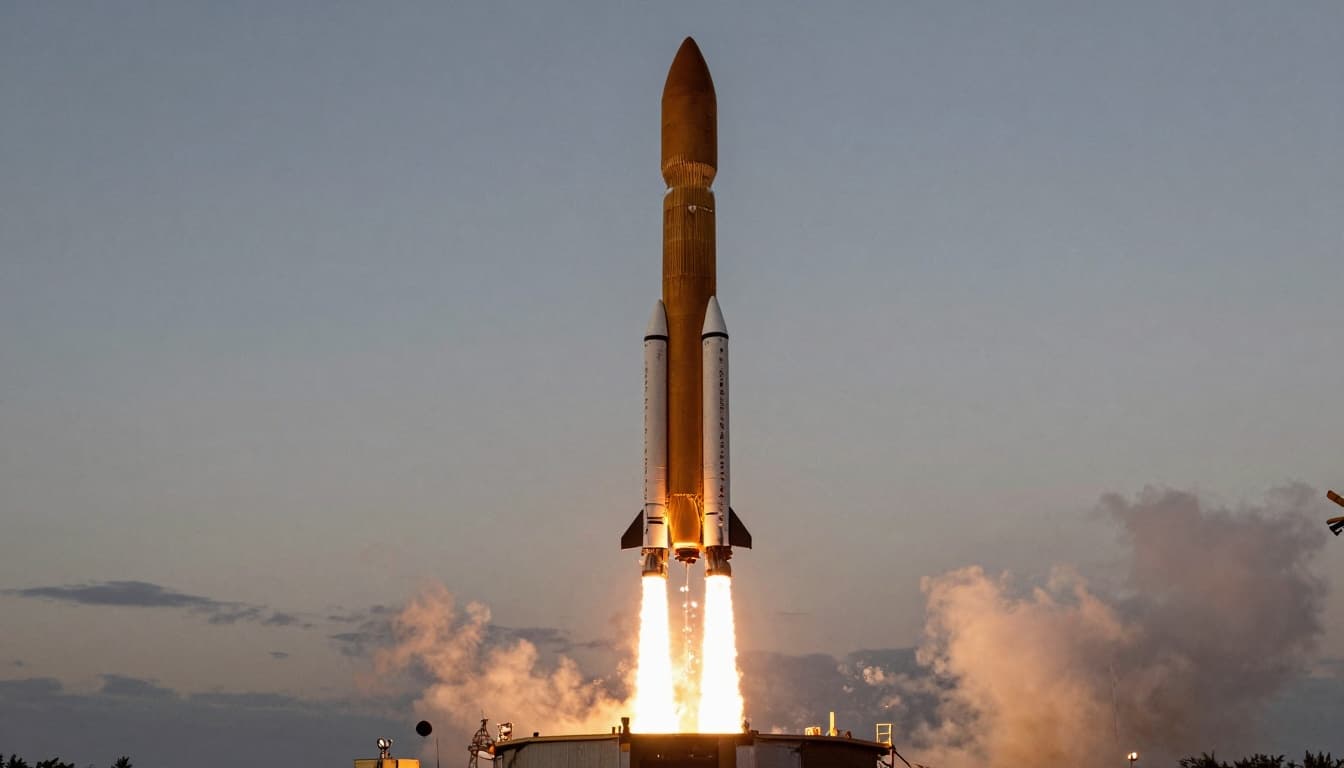
The ability to land and reuse boosters at sea is one of the core reasons SpaceX can maintain such a high launch rate. Instead of disposing of first stages in the ocean, the company recovers them, refurbishes them, and flies them again, often just weeks or months later.
What Is Starlink 15-11?
The Starlink 15-11 mission is part of the ongoing effort to build out SpaceX’s massive Starlink internet constellation. This specific batch will add 27 more satellites to low Earth orbit, raising the total number of operational Starlink craft and improving coverage and capacity.
Starlink satellites operate in relatively low orbits compared to traditional communications satellites. That helps reduce latency and improve user experience for activities like video calls, online gaming, and remote work in areas where terrestrial internet is limited or unavailable.

Why the 160th Falcon 9 Launch of 2025 Matters
Reaching 160 Falcon 9 missions in a single year is a big milestone. Just a few years ago, launching that many orbital rockets in such a short time would have been unthinkable for any single provider. SpaceX has turned frequent launches into a regular part of its business model.
This launch pace matters for several reasons:
- Reliability: Frequent flights help refine operations and catch issues early.
- Cost: Reuse and routine launches push down the cost of access to space.
- Infrastructure: Government and commercial partners can plan more ambitious missions, knowing reliable launch capacity exists.
- Constellation growth: Services like Starlink depend on constant deployment and upgrades.
The Starlink 15-11 mission is one more step in that overall strategy. It might look like “just another” launch, but each flight adds data, experience, and hardware that SpaceX uses to scale its operations.
What Happens After Liftoff?
Assuming an on-time launch, the mission will unfold in several familiar steps:
- Ignition and liftoff: Nine Merlin engines ignite, sending Falcon 9 skyward from Vandenberg’s SLC-4E.
- Max-Q: The rocket passes through the point of maximum aerodynamic pressure on its climb.
- Stage separation: The first stage shuts down and separates from the second stage.
- Booster return: The first stage performs a series of burns to target a landing on OCISLY.
- Second stage burn: The upper stage continues powering the Starlink payload to its target orbit.
- Payload deployment: The batch of 27 satellites is released to begin their on-orbit checkout and orbit-raising.
Within hours, tracking data typically begins to confirm the health and positions of the newly deployed satellites, and Starlink engineers start the process of bringing them into the operational network.
Watching the Launch
Spaceflight fans can follow the mission through official webcasts and independent coverage. Live streams generally show:
- Views from the launch pad and long-distance tracking cameras,
- Onboard cameras from the booster and second stage, and
- Real-time data readouts like altitude, speed, and mission elapsed time.
If the sky is clear, the pre-dawn timing can create beautiful “jellyfish” effects as the exhaust plume catches sunlight high in the atmosphere while the ground remains dark. These kinds of visuals have become a hallmark of early morning and evening launches from both Florida and California.
Looking Ahead
The Starlink 15-11 mission will not be the last Falcon 9 launch of 2025. SpaceX has a long queue of Starlink deployments, government missions, and commercial payloads lined up. Each successful flight builds on a growing track record that continues to reshape expectations for the global launch industry.
As the company pushes toward even higher levels of reuse, heavier payloads, and more complex missions, flights like this one form the reliable backbone of its launch schedule. For now, all eyes are on Vandenberg as Falcon 9 prepares to light up the pre-dawn sky and carry another batch of Starlink satellites into orbit.
To contact us click Here .