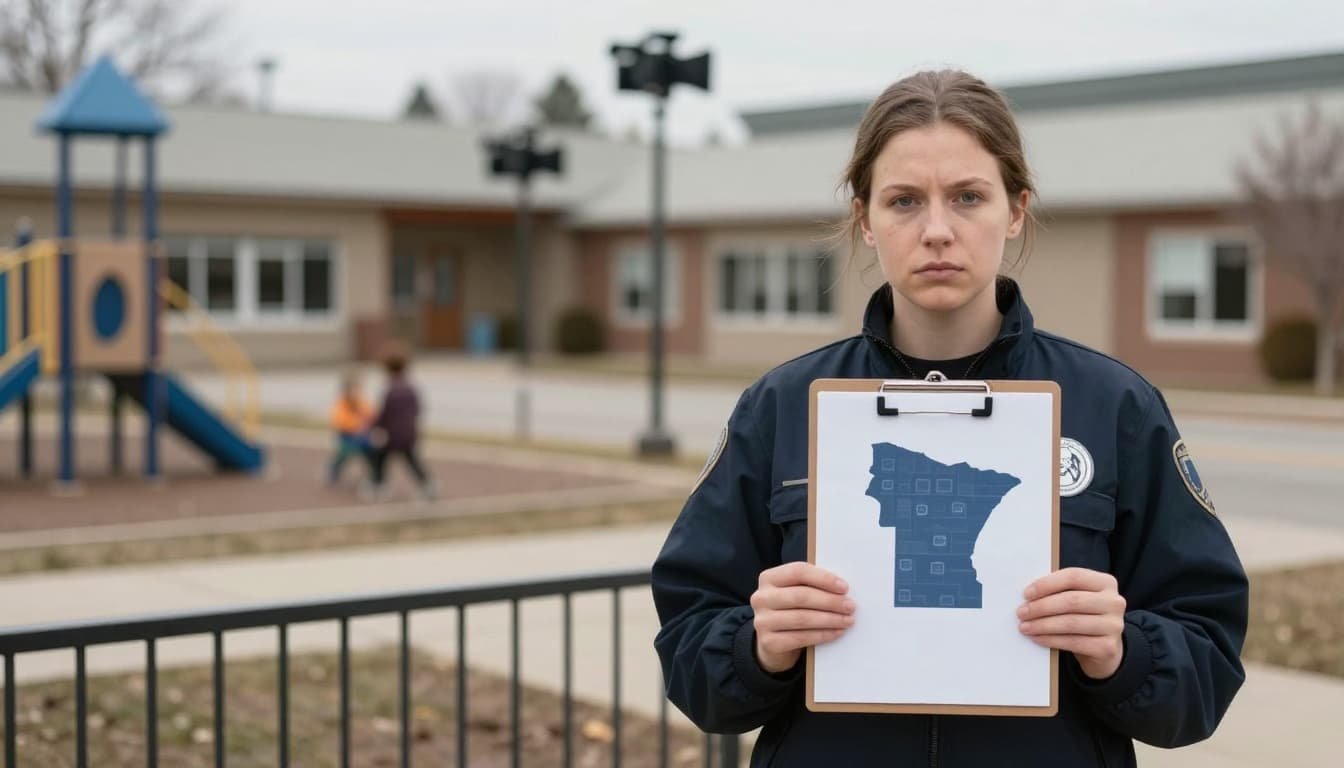
Federal authorities have arrested several current and former law enforcement officers in Mississippi following an investigation into alleged civil rights violations and related offenses. The case, which involves personnel from multiple agencies including a county sheriff’s office, highlights growing scrutiny of police conduct and accountability in the state. Here is what we know so far, what the allegations mean, and how this could affect policy, training, and trust in local communities. For initial reporting, see ABC News: FBI makes arrests in Mississippi involving law enforcement.
Key Facts Reported
- Multiple arrests were made by the FBI tied to alleged misconduct by law enforcement officers in Mississippi. Source: ABC News.
- Those arrested reportedly include current and former officers from different agencies, including a sheriff’s office.
- The alleged conduct centers on abuses of authority and potential civil rights violations.
- The investigation appears to involve cooperation among federal and state entities.
- Court filings and official statements are expected to clarify charges, timelines, and next steps.
Context: Why This Investigation Is Significant
Law enforcement accountability cases draw intense public interest because they touch on community trust. When allegations involve officers sworn to protect the public, the stakes rise even higher. Federal involvement often signals serious claims, with potential implications for training standards, supervision, and departmental policy. Mississippi, like many states, has faced calls for increased transparency around use-of-force incidents, jail conditions, and the handling of citizen complaints. These arrests may become a focal point for broader reforms.
Allegations and Potential Charges
Full details will come into focus through official documents. Cases like this often include charges such as deprivation of rights under color of law, conspiracy, obstruction, and false reports. Prosecutors typically rely on a mix of witness statements, digital communications, body camera footage, and forensic evidence to establish a pattern or agreement among those involved. If convicted, defendants could face federal prison time, fines, and lifetime bans from law enforcement work.
How Cases Like This Are Built
Federal civil rights investigations usually unfold in stages:
- Complaints and tips: Reports from citizens, coworkers, public defenders, or civil rights groups can trigger reviews.
- Evidence gathering: Agents seek videos, call logs, texts, GPS data, and physical evidence; they also conduct interviews under oath.
- Grand jury process: A panel reviews evidence to decide on indictments.
- Arrests and arraignment: Defendants appear in court, enter pleas, and receive schedules for motions and trial.
- Plea deals or trial: Many cases resolve with plea agreements; others proceed to trial where testimony and records are scrutinized.
Impact on Local Departments and the Community
Arrests of officers can be painful for communities. People want both safety and fairness. For departments, this often prompts a close look at internal culture and oversight. Leaders may revisit:
- Training: Emphasis on de-escalation, duty to intervene, and constitutional policing.
- Supervision: Stronger review of stops, searches, arrests, and reports.
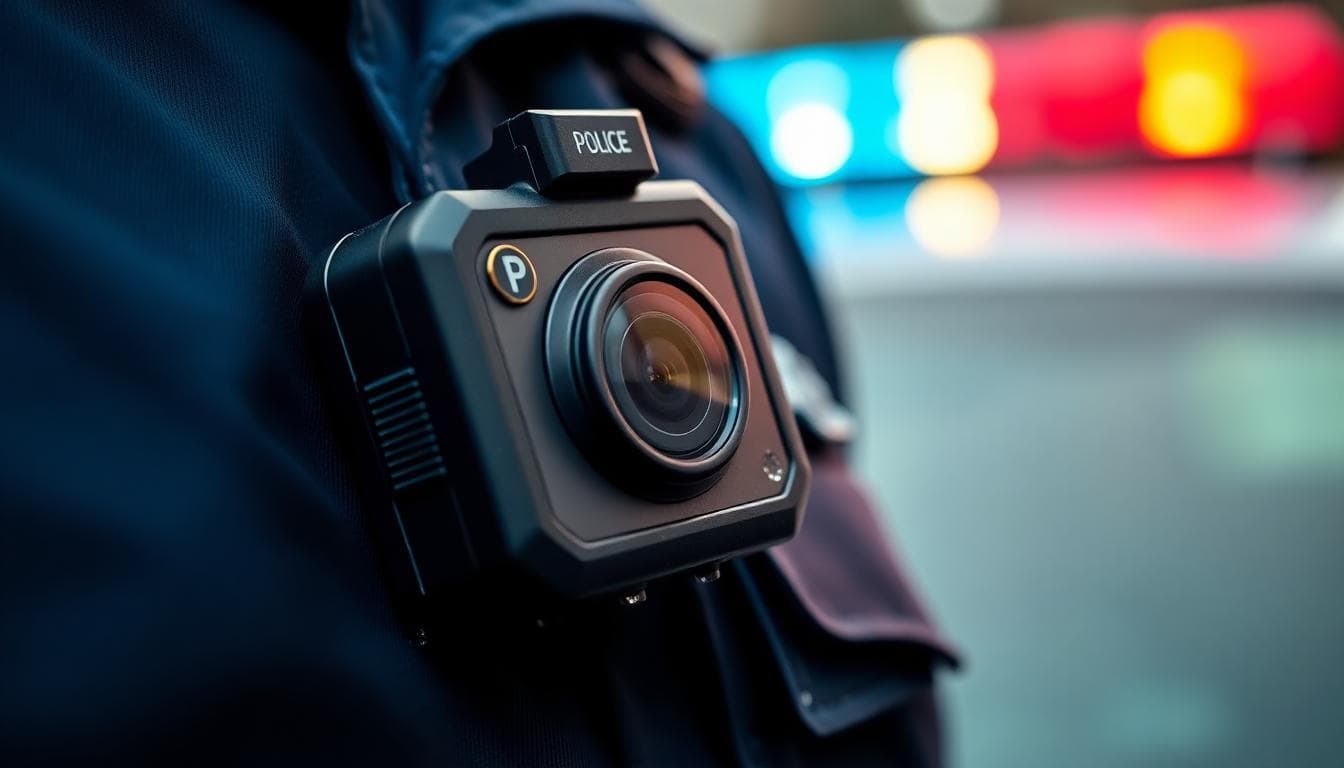
- Body cameras: Clear policies for activation, retention, and public release.
- Complaint systems: Easier reporting, faster review, and transparent outcomes.
- Data reporting: Tracking use-of-force, discipline, and civil lawsuits to identify patterns.
What This Means for Civil Rights
Cases like this remind the public that civil rights protections do not disappear during police encounters. The Constitution sets clear boundaries. When officers exceed those limits, federal law provides a path for accountability. Successful prosecutions can deter future abuse and encourage departments to adopt best practices. At the same time, due process applies to the accused, and facts should be weighed in court.
How Media and Public Should Respond
Accurate information matters. Early reporting may rely on anonymous sources or partial filings. As more records become public, facts will sharpen. Responsible coverage avoids exaggeration and sticks to verified details from indictments, affidavits, and official statements. For readers, it helps to separate allegations from proven facts and to wait for court proceedings to unfold. For updates, monitor court dockets at PACER and official DOJ releases at justice.gov/news.
What to Watch Next
- Indictments and affidavits: Specific charges, timelines, and alleged acts.
- Court motions: Defense challenges to evidence or procedure.
- Plea negotiations: Whether any defendants cooperate or accept deals.
- Policy changes: Moves by agencies to update training or oversight.
- Community response: Public meetings, civil rights advocacy, and local oversight boards.
Analysis: The Bigger Picture
This case fits a national pattern where federal authorities step in when local oversight breaks down. It also shows the importance of documentation. Body cameras, dispatch logs, and digital records can establish timelines and accountability. For advocates, the lesson is to push for transparent policies and strong civilian review. For departments, the takeaway is to invest in training and supervision that prevent misconduct before it starts.
What Leaders Can Do Now
- Publish clear use-of-force and duty-to-intervene policies.
- Audit stops, searches, and arrests for disparities and errors.
- Expand scenario-based training with community input.
- Improve complaint intake and track outcomes publicly.
- Engage independent monitors after serious incidents.
The FBI arrests in Mississippi send a firm message: civil rights laws apply to everyone, including those who wear a badge. The legal process will determine guilt or innocence. Regardless of the outcome, communities and departments have an opportunity to strengthen trust, raise standards, and protect both public safety and constitutional rights.
To contact us click Here .