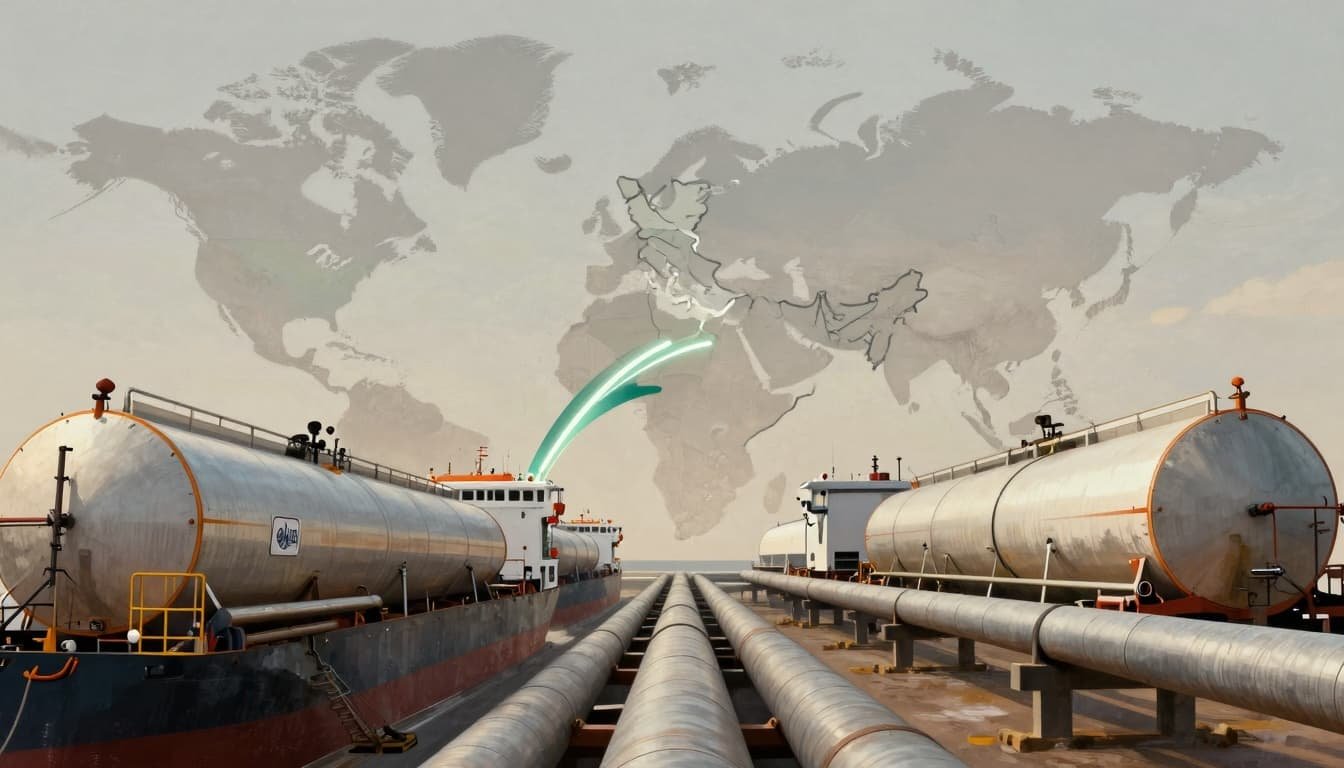
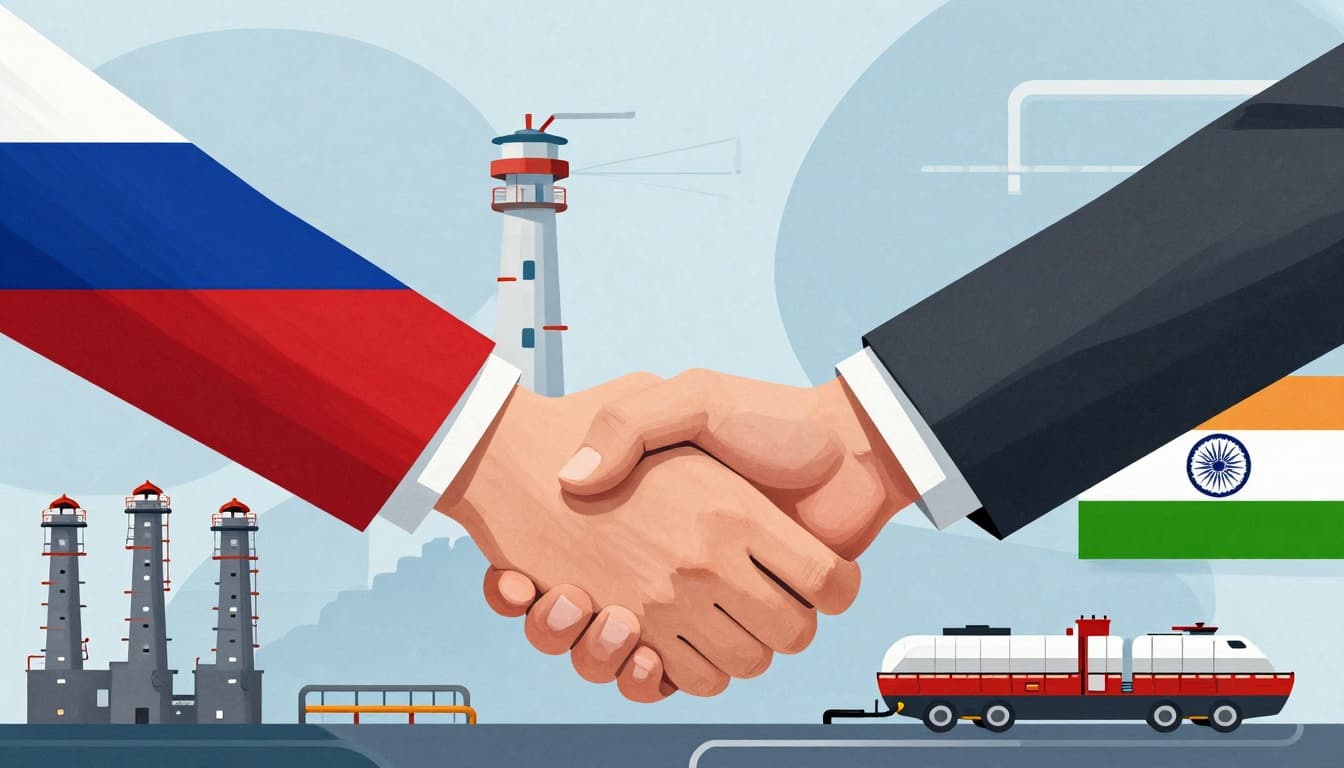
Putin Says Russia Is Ready To Supply Uninterrupted Fuel To India Russia’s President Vladimir Putin has said that Moscow is ready to provide “uninterrupted shipments of fuel” to India. His comments highlight how closely the two countries are working together on energy, even as the United States puts pressure on New Delhi to cut its imports of Russian oil.
Putin made the remarks during a joint appearance with Indian Prime Minister Narendra Modi in New Delhi on December 5, 2025. This visit is his first trip to India since Russia’s full-scale invasion of Ukraine in 2022, which led to major Western sanctions and forced Moscow to look for new buyers for its energy exports.
Russia Turns To India As A Key Energy Partner
After Western sanctions hit Russian oil and gas shipments, the Kremlin had to quickly find new customers. China and India stepped in as two of the biggest buyers of Russian crude.
A report from the Finland-based Centre for Research on Energy and Clean Air shows how important India has become to Russia. According to the report, India bought 38% of Russian crude exports in October, making it the second largest buyer after China. That level of demand gives Russia a strong incentive to keep India supplied and happy.
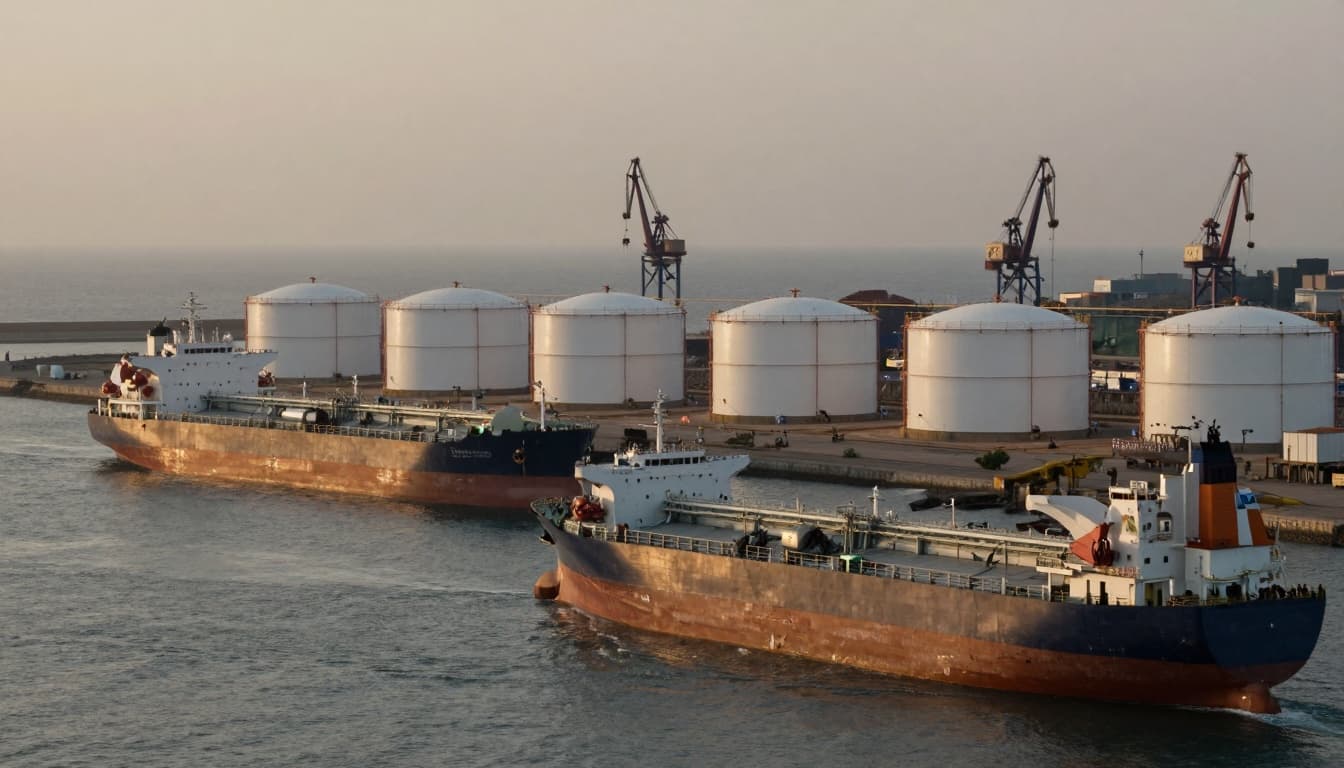
For India, Russian oil has been attractive because it is often sold at a discount compared with other suppliers. Cheaper crude helps India manage domestic fuel prices, which is a sensitive political issue and has a direct impact on inflation and daily life for millions of people.
U.S. Pressure On India Over Russian Oil
At the same time, India’s growing reliance on Russian fuel has drawn pushback from Washington. The United States is trying to limit Moscow’s oil revenues as part of its broader response to the war in Ukraine.
In August, President Donald Trump imposed a 25% tariff on India for buying Russian oil. Then in October, his administration sanctioned two of Russia’s largest oil companies, Rosneft and Lukoil. These moves were meant to raise the costs and risks of doing business with Russia.
India now faces a delicate balancing act. On one side, it has a long-standing defense and energy relationship with Russia. On the other, it has deep strategic and economic ties with the United States. New Delhi wants to protect access to affordable fuel without damaging its broader relationship with Washington.
Putin Questions U.S. Stance
In a recent interview with an Indian television channel, Putin pushed back against the U.S. position. He pointed out that the United States still imports nuclear fuel from Russia for its own nuclear power plants.
“If the U.S. has the right to buy our fuel, why shouldn’t India have the same privilege?” Putin asked. With this message, he tried to frame U.S. pressure on India as unfair and inconsistent.
Trump has said that India has reduced its imports of Russian oil. However, experts quoted by CNBC say this may be a short-term dip rather than a permanent shift. Much will depend on future prices, sanctions, and how strongly Washington continues to push.
Beyond Oil: Nuclear Energy Ties
The Russia–India energy relationship goes beyond crude oil. Russian state nuclear company Rosatom is also a key supplier for India’s nuclear power plans.
Rosatom is delivering reactors and fuel for the Kudankulam nuclear power plant in Tamil Nadu. When fully complete, the plant is set to have a combined capacity of 6000 MW, making it one of India’s major sources of nuclear power.
This cooperation helps India diversify its energy mix, reduce emissions, and cut its reliance on imported fossil fuels over the long term. At the same time, it deepens New Delhi’s dependence on Russian technology, fuel, and expertise.
Putin’s Message: Russia Is A Reliable Supplier
During his remarks in New Delhi, Putin described the Russia–India energy partnership as long-standing and stable. He said that Russia has been a reliable supplier of “oil, gas, coal and everything that is required for the development of India’s energy.”
By promising “uninterrupted shipments of fuel,” Putin is trying to send a clear signal: Russia is willing to support India’s energy security even as geopolitical tensions rise.
For India, energy security means having a steady and predictable flow of fuel at an affordable price. Disruptions in supply can drive up prices, hurt economic growth, and create political headaches for any government in power.
India Also Deepens U.S. Energy Ties
Even as it strengthens energy links with Russia, India is also building closer energy trade with the United States. In November, New Delhi announced what it called a “historic deal” with Washington.
Under that agreement, Indian state-owned oil companies signed a one-year deal to import around 2.2 million tonnes per year of liquefied petroleum gas (LPG) from the U.S. This move helps India diversify its suppliers, reduces risk from over-reliance on any single country, and supports better ties with Washington.
By buying energy from both Russia and the United States, India is trying to keep its options open. This approach gives New Delhi more flexibility to respond to changing prices, sanctions, or diplomatic pressure.
What This Means For India’s Energy Future
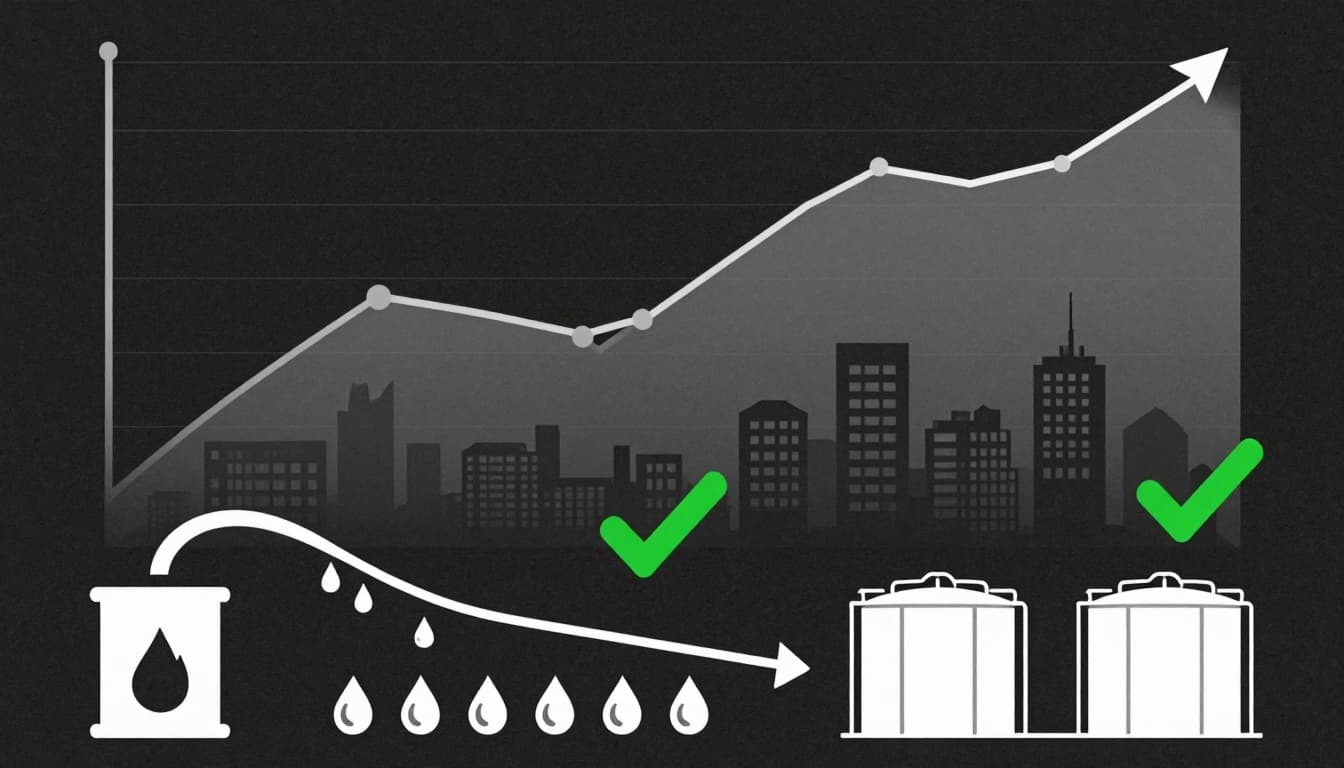
India’s energy demand is rising fast as its economy grows and more people move into the middle class. The country needs reliable supplies of oil, gas, coal, and nuclear fuel to power homes, factories, and transport systems.
Russia’s offer of uninterrupted fuel supplies supports India’s short- and medium-term needs. Discounted Russian crude can help manage domestic prices, while nuclear cooperation supports long-term low-carbon growth.
At the same time, India has to consider the risks of leaning too heavily on any one supplier that is under sanctions or at the center of global tensions. Balancing relationships with both Russia and the United States will remain a key part of its foreign and energy policy.
Key Takeaways For Observers And Analysts
- Russia is signaling that it wants to lock in India as a top, long-term energy customer, especially for oil and nuclear fuel.
- The U.S. is using tariffs and sanctions to try to slow down Russia’s energy revenues, but India is cautious about cutting ties that affect its own energy security.
- India is pursuing a multi-partner energy strategy, expanding imports from both Russia and the U.S. to keep its supply options open.
- The Russia–India energy relationship now spans crude oil, coal, gas, and nuclear, making it a central pillar of their broader strategic partnership.
As global politics grow more complex, India’s choices in the energy sector will be watched closely by markets and governments alike. Putin’s promise of uninterrupted fuel is one more sign that the battle over energy flows is also a battle over influence and alliances in Asia and beyond.
To contact us click Here .