A powerful earthquake struck near the east coast of Russia’s Kamchatka Peninsula. The German Research Centre for Geosciences (GFZ) reported a magnitude 7.1 at a depth of about 10 km. The United States Geological Survey (USGS) measured it at 7.4 with a depth near 39.5 km. Initial readings can differ, and agencies often update as more data arrives.
The Pacific Tsunami Warning System said there is a possible tsunami threat. In Japan, the Japan Meteorological Agency had not issued a tsunami warning at the time of early reports, according to NHK. Conditions can change quickly, so coastal communities across the North Pacific should monitor official alerts.
Where It Happened
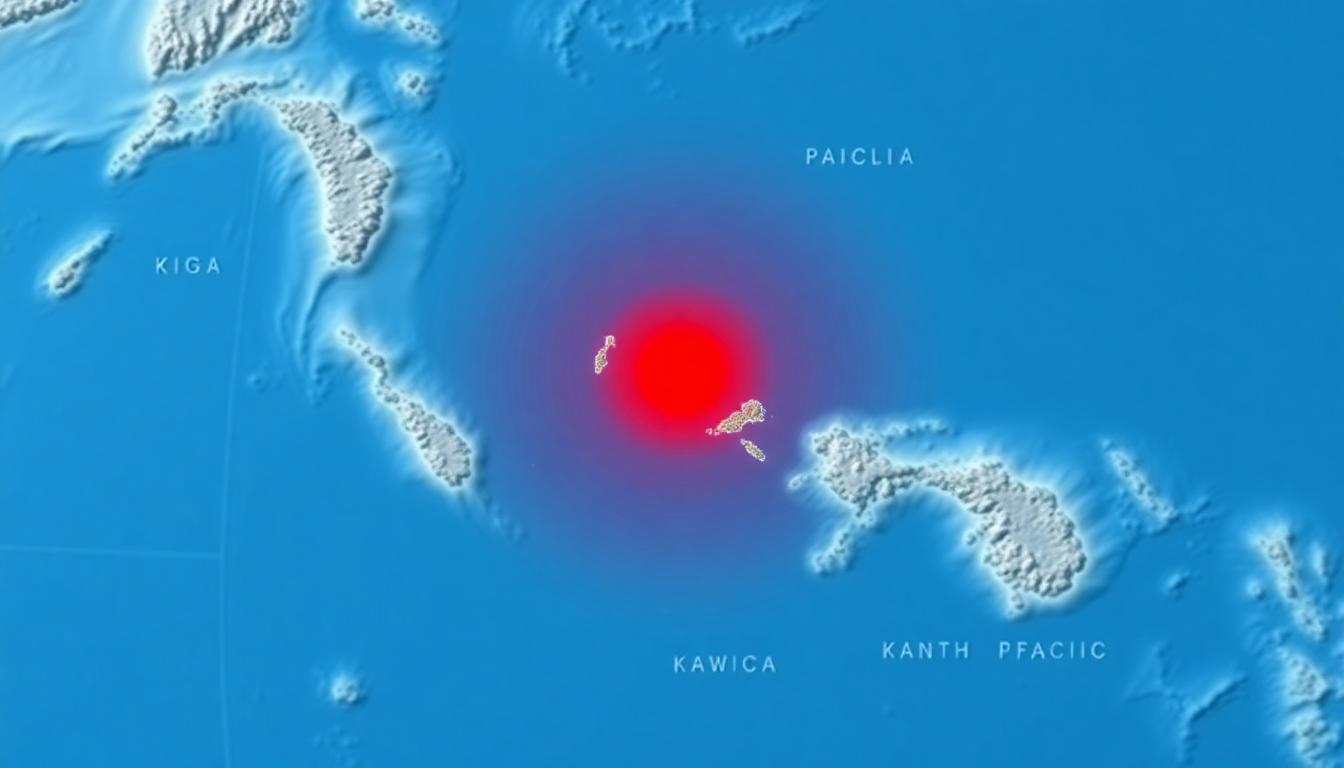
The quake struck off the east coast of Kamchatka, a region known for its volcanoes and frequent seismic activity along the Pacific Ring of Fire. Shaking intensity on land depends on distance to the epicenter, depth, and local ground conditions.
Tsunami Risk: What To Watch
After large offshore quakes, tsunami advisories are common. Actual wave height depends on rupture depth, seafloor movement, and distance from the source. Even small tsunamis can be dangerous near shore due to currents and surges.
- Follow regional alerts from the Pacific Tsunami Warning Center or your national agency.
- Stay away from beaches and harbors until officials cancel advisories.
- Do not return to low-lying areas until it is declared safe; multiple waves can arrive over hours.

Early Reports and Agency Readings
Early magnitude and depth estimates can vary across agencies. GFZ put the quake at 7.1 and 10 km deep. USGS measured 7.4 and around 39.5 km deep. Both are strong events capable of producing significant shaking and potential tsunami hazards. Expect updates as seismic networks refine their models.
What Locals and Travelers Should Do
- Check local government channels for instructions and evacuation guidance.
- Keep phones charged; conserve battery by limiting nonessential use.
- If you feel strong shaking near the coast, move to higher ground immediately without waiting for an official warning.
Earthquake Safety: Quick Guide
- Indoors: Drop, cover, and hold on. Stay away from glass and heavy furniture.
- Outdoors: Move away from buildings, power lines, and trees. Find a clear open area.
- In a car: Pull over safely, avoid bridges and overpasses if possible, and stay put until shaking stops.
- After shaking: Expect aftershocks. Check for gas leaks and damaged wiring. Use text messages to reduce network congestion.

Build a 72-Hour Kit
- Water, at least 1 gallon per person per day.
- Nonperishable food, manual can opener, and basic utensils.
- Flashlight, batteries, whistle, dust masks, and gloves.
- Portable radio or NOAA weather radio.
- First aid kit, medications, copies of IDs and important documents.
- Chargers, power bank, and a small amount of cash.
- Warm clothing, sturdy shoes, and blankets.
- Supplies for infants, seniors, and pets if needed.
For Coastal Communities Around the Pacific
Communities in Russia’s Far East, Japan, Alaska, and the U.S. West Coast should monitor official channels. Wave energy travels differently across basins; arrival times vary. Harbors and inlets can amplify waves. Even when damage is limited, strong currents are dangerous for swimmers and small craft.
Staying Informed
- USGS Earthquake Map: earthquake.usgs.gov
- Pacific Tsunami Warnings: tsunami.gov
- Japan Meteorological Agency: jma.go.jp
- Local emergency management and radio broadcasts
Bottom Line
This was a strong offshore quake near Kamchatka. A tsunami threat was noted by the Pacific Tsunami Warning System, while Japan had no warning at the time of initial reporting. Follow official updates closely, avoid coastal areas until cleared, and review your household safety plan. Preparedness now can save lives later.
To contact us click Here .