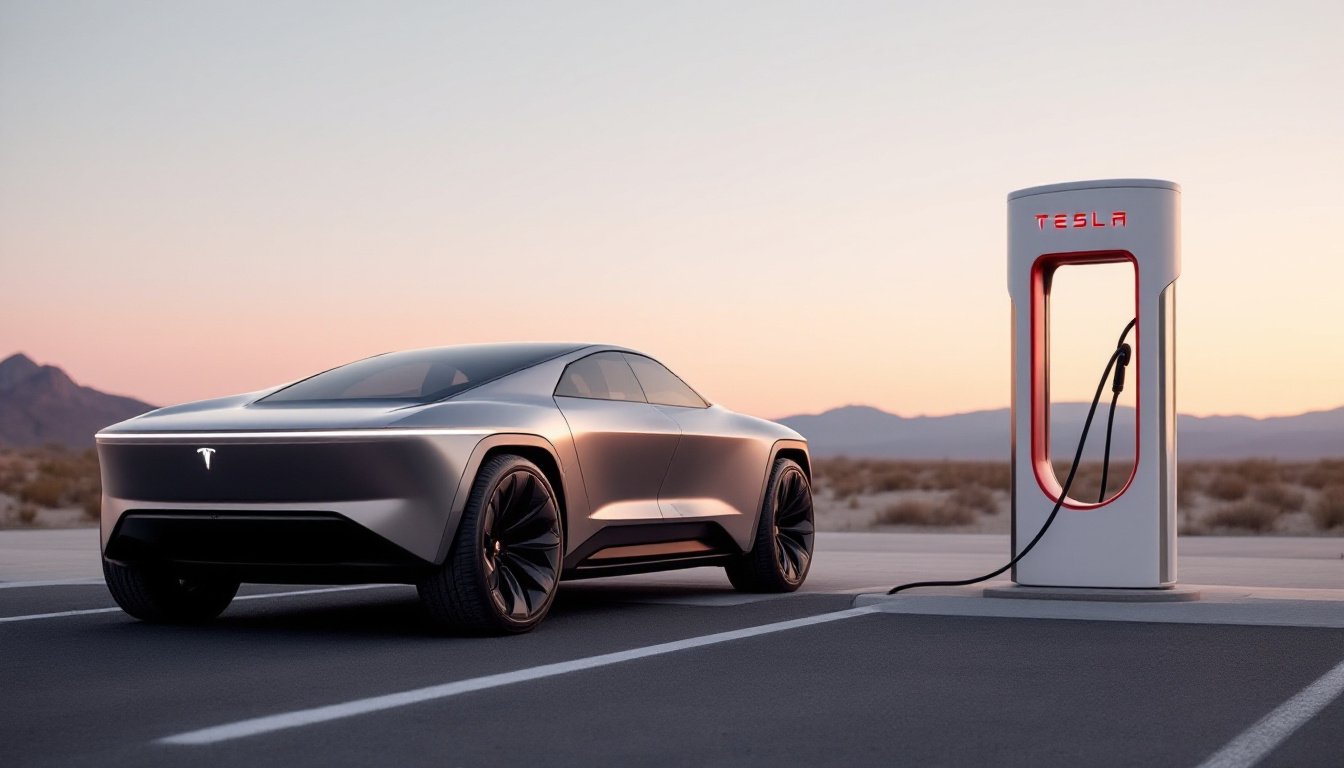
Tesla appears to have discontinued the entry‑level rear‑wheel‑drive Cybertruck. If confirmed, the move reshapes the lineup, pricing, and who this truck is really for. Here is what shoppers and EV watchers should know now.
The short version
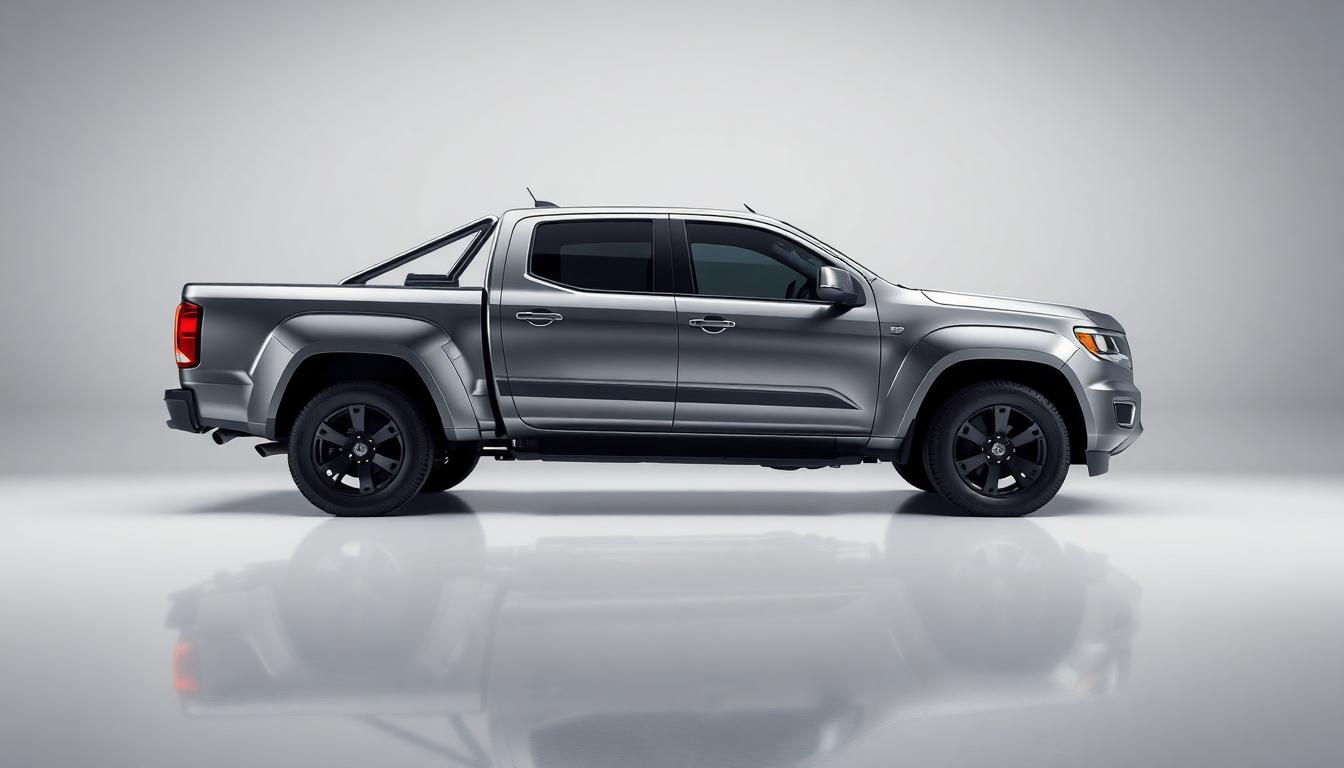
The most affordable Cybertruck trim, the RWD model, is reportedly off the menu for 2025. That narrows choices to higher trims with more performance and, likely, higher prices. For some fans, that is disappointing. For Tesla, it may simplify production, protect margins, and align supply with real demand.
Why Tesla might drop the base RWD trim
- Production focus: Early in a vehicle’s life, building fewer variants speeds up the line and reduces rework.
- Margin protection: With high battery costs, base trims can be thin on profit. Focusing on higher‑spec trucks boosts gross margins.
- Real demand: Many early adopters want the quickest, longest‑range versions. If orders skew upmarket, the base trim becomes a distraction.
- Supply constraints: Cells, motors, and power electronics are still tight. Prioritizing premium builds makes allocation easier.
What it means for pricing and positioning
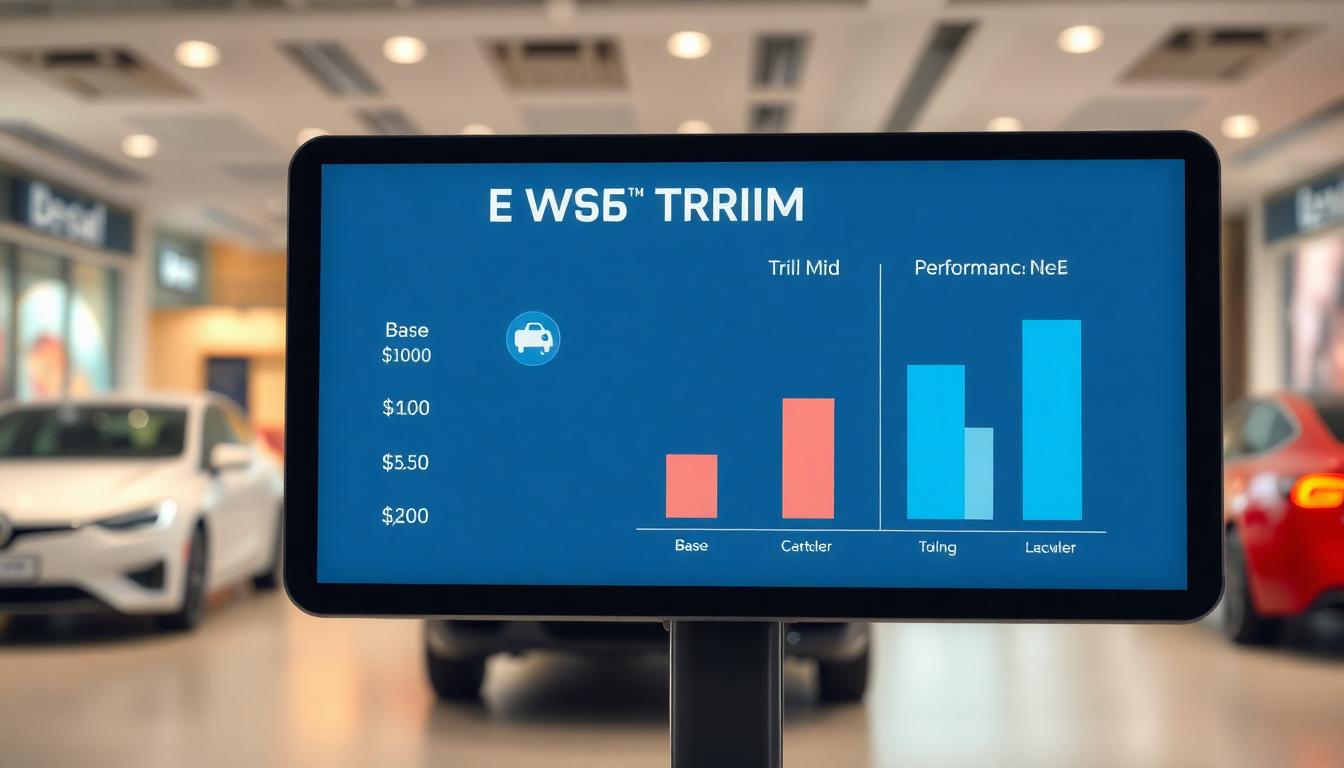
Without an RWD entry point, the “headline price” rises. That matters for marketing and for buyers who hoped to get into a Tesla pickup at the lowest cost. Expect transaction prices to center around better‑equipped trims with dual‑motor or performance setups. Add popular packages, and the out‑the‑door number climbs fast.
Range, towing, and real‑world use
Dual‑motor and performance trims should keep stronger towing, acceleration, and potentially more robust thermal management. But remember: range depends on speed, climate, payload, and terrain. Towing heavy loads can cut range by 30 to 50 percent on any EV truck. Buyers should plan charging stops and consider range extenders or larger packs if offered.
Charging and trip planning
- Fast charging: Access to high‑power chargers is the real advantage. Peak rates help, but average speed over the session matters more.
- Route tools: Use built‑in trip planners that account for weather, elevation, and towing drag.
- Home charging: A 240V Level 2 setup turns the truck into a daily keeper. Nightly top‑offs cut public charging stress.
Who loses and who wins
- Budget‑minded buyers: Lose the cheapest ticket in. Some may shift to used EV trucks or competing base trims from other brands.
- Early adopters and performance fans: Win. Production emphasis likely lands on the quickest configurations and top features.
- Tesla’s operations team: Wins. Fewer SKUs streamline parts, training, and quality control.
- Competitors: Mixed. Some gain room to market lower entry prices, but they still face the same battery economics.
How this affects resale and total cost
Historically, Tesla’s higher‑spec models retain value well when demand is hot. If supply remains tight, resale could benefit. Total cost still depends on energy prices, insurance, tires, and maintenance. EV trucks save on oil changes and brake wear. Tires can cost more due to weight and torque. Budget for them.
Fleet and work buyers
For fleets, base trims are attractive when sticker price and simple specs matter. Removing an entry option may push fleets to other EV trucks or to gas and hybrid pickups for another cycle. To win fleets, Tesla can counter with strong up‑time, V2L or V2H features, and clear service support.
The broader EV pickup market
Every brand is tuning trims to match today’s buyer. Ford and Rivian have adjusted pricing and packages. GM is rolling out updates across electric pickups. The common thread is simple: battery costs and supply shape the lineup. As battery supply improves and chemistries shift, expect another round of trim reshuffles.
Shopping tips if you planned on RWD
- Check your reservation portal or contact your advisor to confirm options and timelines.
- Ask about price protection, transfer options, or loyalty incentives if your original trim is gone.
- Cross‑shop used EV trucks with remaining warranty; depreciation can offset higher MSRPs.
- Run a total cost model: energy, insurance, tires, taxes, incentives, and expected resale.
What to watch next
- Official confirmation and timing: Look for updated order pages or notices to reservation holders.
- Spec changes: Any tweaks to battery sizes, estimated range, tow ratings, or charging rates.
- Incentives: Regional rebates or financing that soften the jump to higher trims.
- Competitor moves: Entry‑level offers from rivals that aim to capture budget buyers.
Bottom line
Dropping the Cybertruck RWD narrows the funnel but may strengthen Tesla’s operations and margins in the near term. Buyers who wanted the lowest price will feel the pinch. But if you value performance, features, and faster delivery, the streamlined lineup could be a net positive. Keep an eye on official updates, and run the numbers before you commit.
To contact us click Here .