Tax brackets are shifting in 2026, and that can affect how much you owe when you file in early 2027. The lowest brackets will get a bigger bump from inflation. The higher brackets will also rise, but by a smaller percentage. If you plan ahead, you can reduce surprises, match your withholding to your income, and make smart moves before year end.
Quick summary
- Bracket thresholds are rising in 2026 due to inflation adjustments.
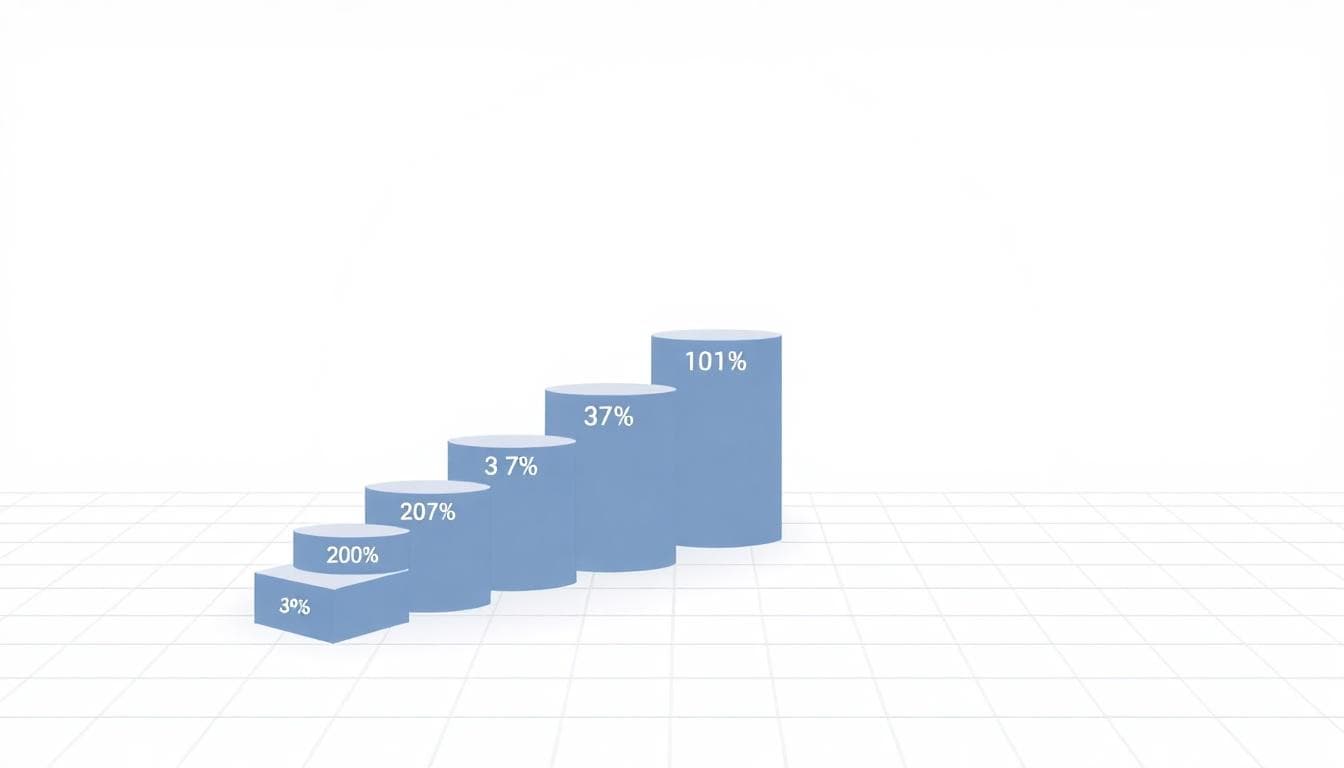
- Lower brackets see a larger percentage increase than higher brackets.
- More income may be taxed at lower rates before you cross into a higher bracket.
- Standard deduction, credits, and contribution limits also matter for your final bill.
- Your filing happens in 2027 for the 2026 tax year, so plan now.
Why brackets move each year
The IRS adjusts bracket thresholds to reflect inflation. The goal is to prevent “bracket creep.” If prices rise but your buying power has not, you should not pay a higher rate just because nominal income went up. In 2026, lower brackets rise more than the highest ones, giving extra relief at modest income levels. That can help wage earners, new grads, and retirees with part-time income.
How this may affect your tax bill
When thresholds rise, it takes more income to reach a higher bracket. If your income is steady, more of it may stay taxed at a lower rate. That can reduce your total tax, even without changing your deductions or credits. If your income rises, the higher thresholds may still soften the jump into the next bracket.
Remember that the U.S. system is progressive. You do not pay one rate on all your income. Each slice of income is taxed at the rate for that slice. If you cross into a new bracket, only the income above that threshold gets taxed at the higher rate.
Key planning moves for 2026
1) Check your withholding
Use the IRS withholding estimator or review your recent pay stubs. If you received a large refund last year, you might lower withholding. If you owed a lot, increase it. The 2026 threshold changes can shift your expected bill, so make midyear checks.
2) Max your tax-advantaged accounts
- 401(k) or 403(b): Pre-tax contributions can lower taxable income. Roth can be smart if you expect higher rates later.
- Traditional or Roth IRA: Choose based on your income and future tax outlook.
- HSA: If you have a high-deductible health plan, HSA contributions are triple tax-advantaged.
Contribution limits often adjust with inflation too. Aim to automate monthly contributions so you do not scramble in December.
3) Time income and deductions
If you are near a bracket threshold, you can shift some income or deductions across year end. For example, delay a year-end bonus when possible, or accelerate deductible expenses in a year when they help more. Coordinate timing with your employer or clients if you are self-employed. Always keep records to support your choices.
4) Use credits and above-the-line deductions
Credits reduce your tax bill dollar for dollar. Education credits, child-related credits, and energy credits can be valuable. Above-the-line deductions, like HSA, IRA (if eligible), and self-employed health insurance, reduce adjusted gross income. Lower AGI can help you qualify for more credits or deductions.
5) Harvest wins in your portfolio
Tax-loss harvesting can offset capital gains. If you have gains, realize losses to reduce the tax impact. Watch the wash-sale rules. If your income is lower in 2026, you may benefit from realizing some long-term gains at favorable rates. Balance that with your long-term strategy.

Standard deduction and itemizing
The standard deduction reduces your taxable income. Many filers now use it. If you have large mortgage interest, state and local taxes, and charitable gifts, you may itemize. The best choice is the larger total reduction. Track your receipts, especially in years when you cluster charitable gifts or medical expenses.
Self-employed and small business notes
If you have business income, watch your quarterly estimated taxes. Update your projections when income changes. Consider a solo 401(k) or SEP IRA to reduce taxable income. Keep clean books. Separate business and personal accounts. Save for self-employment tax on net earnings. A small adjustment each quarter can prevent penalties later.
How to estimate your 2026 taxes
- Start with expected wages, business income, and investment income.
- Subtract pre-tax contributions you plan to make.
- Apply the 2026 bracket thresholds to estimate your tax on ordinary income.
- Account for long-term capital gains and qualified dividends at their own rates.
- Subtract credits you likely qualify for.
- Compare to your expected withholding and estimated payments.
Revisit your estimate midyear and again in the fall. If your income changes, update your plan. Small tweaks now can save you money and stress later.
Common mistakes to avoid
- Ignoring withholding. Waiting until tax time to adjust can lead to penalties.
- Missing contribution deadlines. Check IRA and HSA deadlines. Mark your calendar.
- Forgetting state taxes. States may change rates and rules too.
- Skipping records. Keep receipts, confirmations, and statements in one folder.
- Not coordinating with a spouse. Married filing jointly can change your brackets and strategy.
Action checklist for 2026
- Update your W-4 or estimated payments by midyear.
- Automate retirement and HSA contributions.
- Review charitable giving plans and bunch if needed.
- Run a fall tax projection before year end.
- Organize documents for a smooth filing in early 2027.
Bracket thresholds are rising in 2026, with bigger percentage increases for lower brackets. For many filers, that is good news. You may see more income taxed at lower rates. The impact still depends on your income, deductions, and credits. Take a few simple steps now. Check withholding, use tax-advantaged accounts, and time income where you can. A short plan today can make tax season in 2027 much easier.
To contact us click Here .