SpaceX launched 28 Starlink satellites on a Falcon 9 from Vandenberg Space Force Base, adding capacity and reach to its low Earth orbit broadband network. This mission underlines SpaceX’s reuse model, West Coast cadence, and focus on high-inclination orbits that help high-latitude users. Here is what the flight adds, how Starlink works, and risks to watch as the constellation grows.In this article:
Mission overview
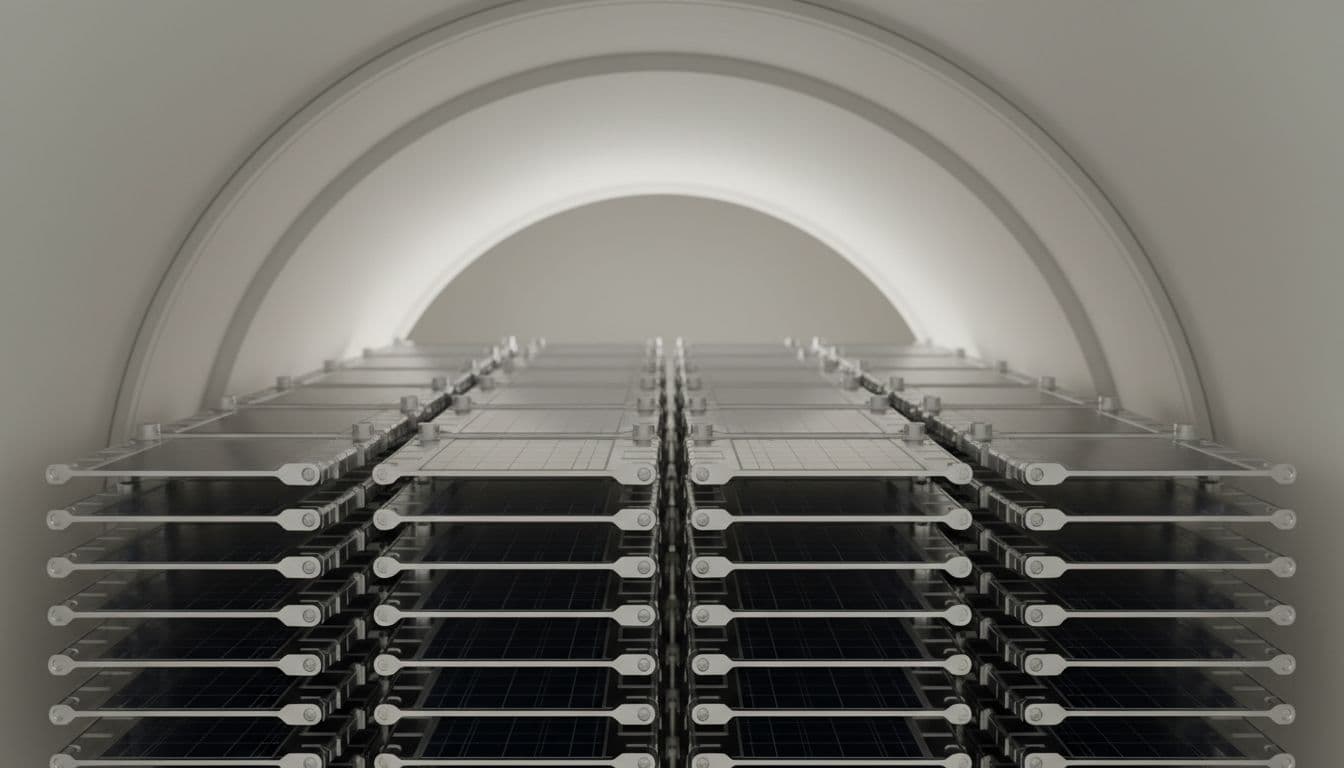
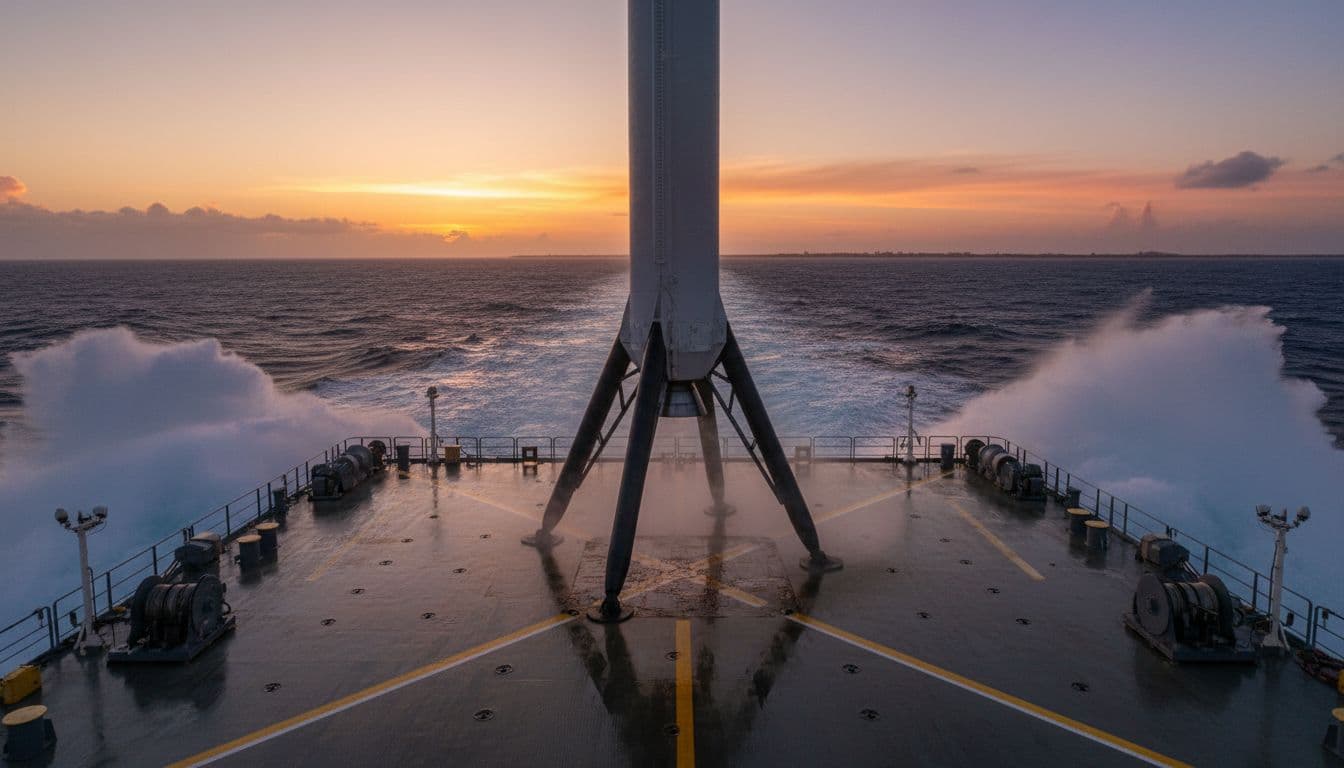
This flight delivered 28 Starlink satellites to low Earth orbit from Vandenberg. High-inclination targets widen coverage across higher latitudes and improve routing options. After stage separation, the first stage returned to a droneship for recovery, preserving SpaceX’s quick-turn reuse cycle.
Adding more satellites increases bandwidth and resilience. With denser orbital planes and inter-satellite links, the network can route around outages, reduce congestion, and improve performance in peak hours.
Why this launch matters
- Network density: More satellites reduce latency spikes and raise throughput in crowded cells.
- Resilience: Multiple planes and crosslinks add redundancy against single-point failures.
- Service expansion: Capacity growth helps remote communities, maritime, aviation, and disaster response.
- Competitive pressure: Sustained cadence keeps rivals and regional ISPs under pricing and performance pressure.
How Starlink works
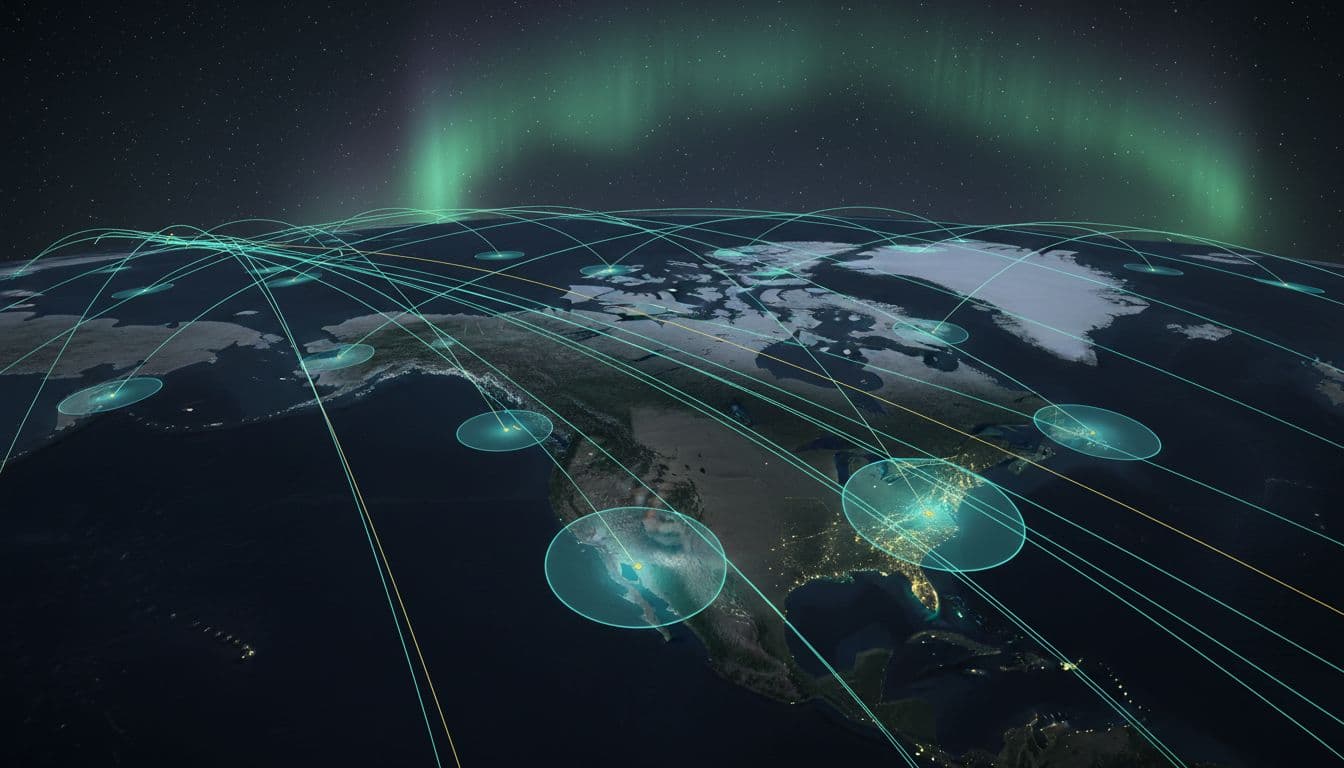
Starlink is a mesh of small satellites in low Earth orbit. User terminals connect to satellites overhead, which talk to ground gateways and, more often, to each other via lasers. Because the satellites are close to Earth, latency can rival many ground networks for common tasks like video calls and cloud apps.
User equipment
- Dish and router: Auto-aiming phased-array dishes track satellites and hand off sessions.
- Placement: Clear sky view improves uptime. Mounts help reduce dropouts from trees or buildings.
- Mobility: Maritime, aviation, and RV kits support moving platforms with tailored power and mounts.
Reusability and launch economics
Falcon 9’s reuse model is central to SpaceX’s cadence. Landing and refurbishing first stages cuts marginal flight costs, supports frequent schedules, and stabilizes access to orbit. As hardware and processes mature, turnaround times tend to shrink.
For Starlink, lower launch costs mean faster expansion and more frequent upgrades. New batches can add lasers, updated radios, and software tweaks that raise capacity without long development gaps.
Coverage and capacity gains
Vandenberg flights help polar and high-latitude users. They also reduce congestion for suburban users who share capacity with many neighbors. Over time, more crosslinks should cut reliance on ground gateways, improving over-ocean performance and resilience during terrestrial outages.
For businesses, steadier uptime and lower jitter help cloud apps, POS systems, and remote monitoring. For emergency response, more satellites can mean more reliable links when land-based networks fail.
Risks and issues to watch
- Space traffic: More satellites mean more deconfliction and debris mitigation work.
- Regulatory shifts: Spectrum and licensing rules shape coverage and product rollout.
- Astronomy impact: Brightness and trails affect observations; mitigation continues to evolve.
- Weather delays: Marine layers, winds, and upper-level conditions can push windows.
Even with these risks, reuse and production scale offer a persistent advantage in schedule and cost.
Quick FAQ
How many satellites flew on this mission? Twenty-eight Starlink satellites were deployed from Vandenberg. Did the booster land? Yes, the first stage returned to a droneship in the Pacific for reuse. Why launch from Vandenberg? It enables high-inclination orbits that improve coverage for higher latitudes and polar routes. What do users gain? More capacity, less congestion, and greater resilience for remote and mobile users.
To contact us click Here .