Silver, often called the “devil’s metal” because of its sharp price swings, has been one of the standout assets of 2025. After years of lagging gold, silver broke to fresh record highs this year and, according to many analysts, its rally may not be over yet.
In late November, silver prices climbed to a historic peak of $57.16 per troy ounce, a jump of about 90% year-on-year. Prices have cooled slightly since that spike, but the general trend is still higher. What makes this move different from past rallies is the unusual mix of tight supply, surging demand from India, industrial use, and a powerful shift in investor sentiment.
Silver Rides Alongside Gold’s Record Run
Silver’s rise in 2025 has come alongside a record run in gold, which pushed past $4,000 per ounce this year. The two metals often move together when investors look for inflation protection, a hedge against financial risk, or a safe place to park cash.
However, silver tends to exaggerate gold’s moves. Because the silver market is much smaller than the gold market, it can be more volatile. A rush of new money can trigger sudden bursts higher, while panic selling can drag prices down just as quickly.
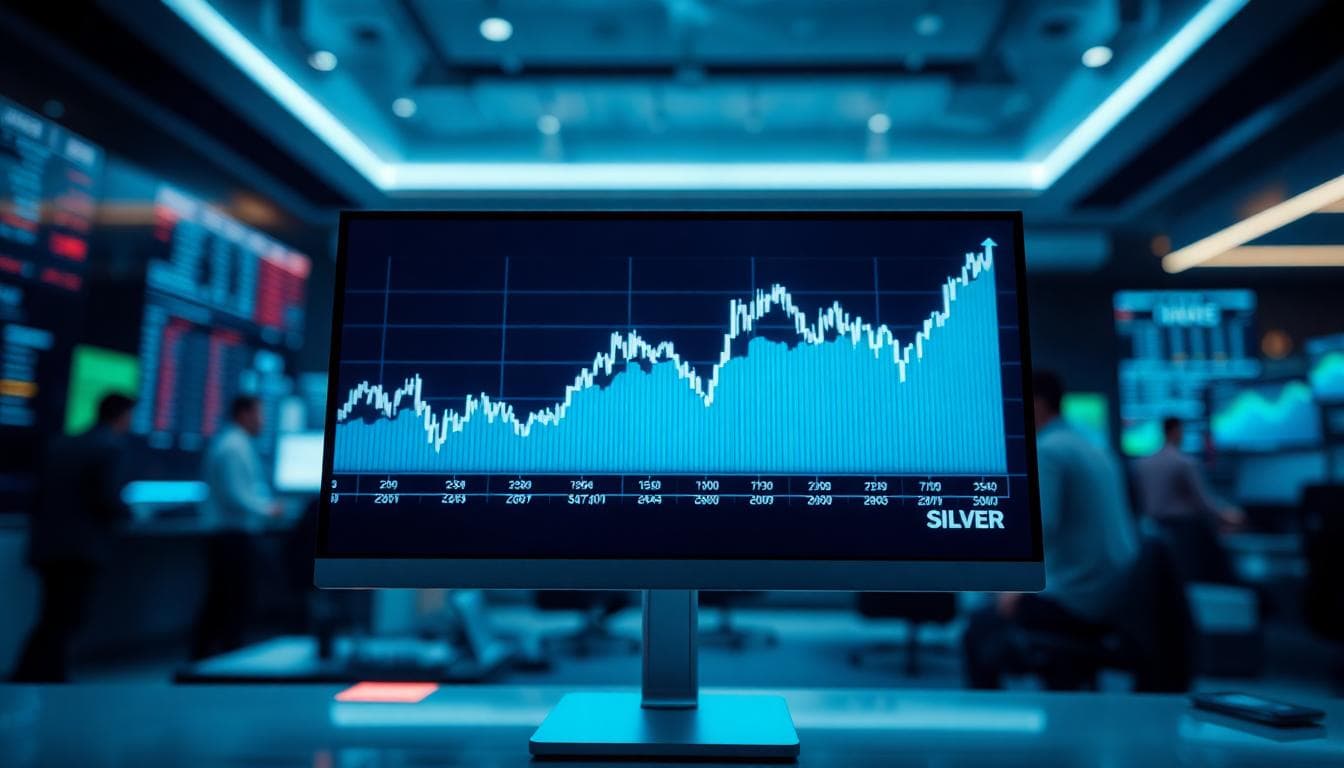
Analysts note that silver is only about one tenth the size of the gold market. That smaller size makes it easier for a “short squeeze” or sudden demand spike to move prices sharply. In 2025, that effect caught more than a few investors off guard.
How 2025 Compares To Past Silver Peaks
Major silver peaks are rare. Experts point out that October 2025 was only the third time in 50 years that silver surged to such extreme highs.
Other famous peaks include:
- January 1980 when the Hunt brothers tried to corner the silver market and at one stage held around a third of the world’s supply.
- 2011 during the U.S. debt ceiling crisis, when both gold and silver were treated as safe haven assets.
The 2025 rally has some similarities to those episodes, but the drivers are more balanced. Instead of a single big speculative force, the market is being pulled higher by a mix of investment flows, industrial usage, and a genuine shortage of available metal.
The Gold-Silver Ratio Signaled Opportunity
Another piece of the puzzle in 2025 has been the gold-silver ratio. This ratio shows how many ounces of silver you need to buy one ounce of gold. A high ratio often suggests silver is undervalued compared to gold.
Earlier in the year, the ratio spiked above 100, which meant investors needed more than 100 ounces of silver to equal the price of one ounce of gold. Historically, such extremes have sometimes signaled that silver is due for a catch‑up move. That is exactly what played out as the year went on and silver prices started to climb faster than gold.
India’s Huge Role In Silver Demand
One of the biggest demand stories in 2025 has come from India, the world’s largest consumer of silver. India uses around 4,000 metric tons of silver each year, much of it for jewelry, utensils, ornaments, and savings.
After India’s monsoon and harvest seasons wrapped up in Autumn, silver demand jumped. Farmers who had extra income often chose to buy gold and now increasingly silver, instead of trusting banks. This seasonal pattern lined up with the Diwali festival, a major celebration of prosperity and good fortune and also the country’s biggest public holiday.

In India, silver is also viewed as a more affordable alternative to gold. With about 55% of the population depending on agriculture, silver gives millions of households a practical way to store value, take part in cultural traditions, and hedge against rising costs.
On October 17, silver prices in India hit a record high of 170,415 rupees per kilogram, up about 85% since the start of the year. That move shows how strong demand has been at the local level, even as global investors focused more on headlines about gold.
Supply Crunch: Emptying Vaults And Shipping By Air
While demand has surged, supply has struggled to keep up. This has been most visible in key storage hubs such as London. In June 2022, the London Bullion Market Association held about 31,023 metric tons of silver in its vaults. By March 2025, that number had dropped to around 22,126 metric tons, its lowest level in years.
That steady drawdown meant there was far less “easy” silver available for large trades. At one point, the market was so tight that some buyers had to fly silver in by plane rather than wait for cargo ships, simply to meet immediate delivery needs.
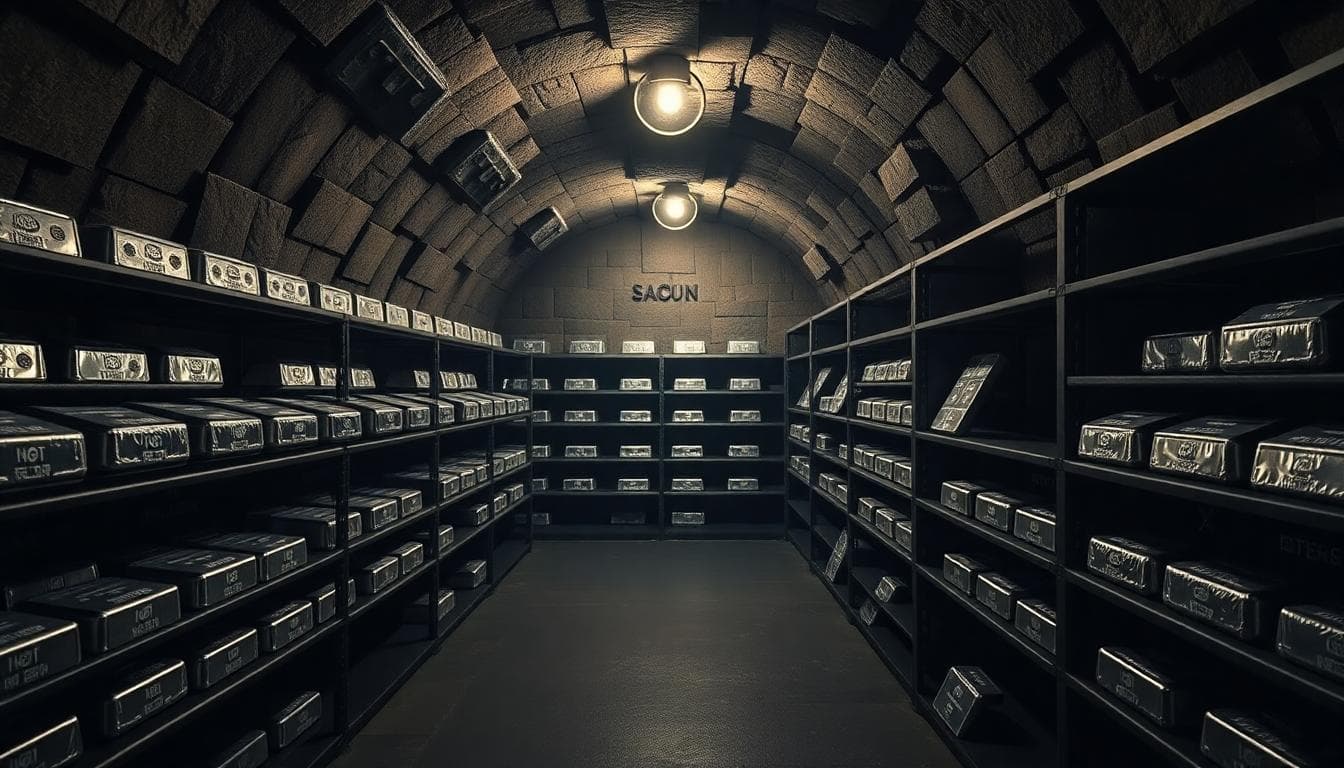
As a result of this squeeze, borrowing silver became expensive. Lease rates, which reflect the cost to borrow metal, spiked in October. In some cases, overnight borrowing costs reportedly shot to extreme levels. This made it more painful for traders who were short silver and needed to cover positions, further feeding the rally.
Why Experts Think Silver Still Has Room To Run
Experts argue that the 2025 move is not just a quick speculative spike. They point to a “different dynamic” this time, where both financial investors and industrial buyers are chasing limited supply.
On the investment side, silver benefits from many of the same themes that support gold. These include concerns about inflation, government debt, currency risk, and uncertainty in global politics. For some investors, silver offers a cheaper way to gain exposure to precious metals with more upside potential, even if it comes with higher volatility.
On the industrial side, silver has important uses in electronics, solar panels, batteries, and other technologies. As clean energy and tech demand grow over the long term, that industrial pull could help support higher prices, especially if mining output and above‑ground stocks do not keep pace.
What This Means For Investors
For investors watching from the sidelines, the big question is whether it is too late to consider silver after such a strong move. Analysts quoted by CNBC suggest that while pullbacks are likely, the long‑term case for silver remains strong if supply stays tight and demand continues to rise.
Silver’s history shows that it can be very volatile. Past peaks were often followed by deep corrections, so risk management is crucial. Many experts recommend treating silver as part of a broader precious metals or diversification strategy, rather than a short‑term bet.
Still, 2025 has highlighted how quickly the market can change when physical stocks run low, demand surges in key countries like India, and investors start to view silver as seriously as gold. If those trends continue, the “devil’s metal” may still have further to climb in the years ahead.
To contact us click Here .