Key points:
- The House voted to give the president broader power to raise or adjust tariffs.
- Supporters argue it strengthens U.S. leverage in trade disputes and speeds action.
- Critics warn it sidelines Congress’ constitutional role on trade and risks higher prices.
- The measure faces further steps before becoming law, and legal questions could follow.
What just happened?
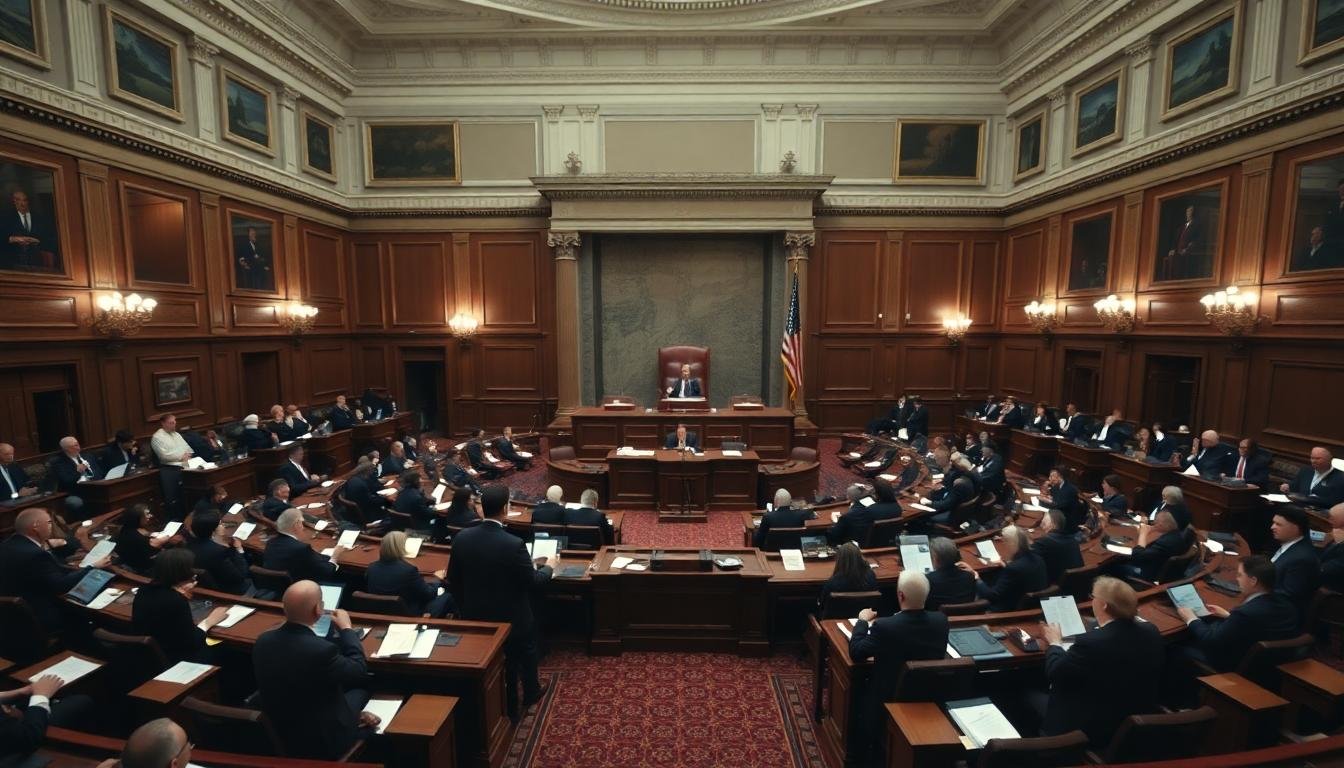
The House approved legislation that would shift more tariff-setting authority to the executive branch. This vote mirrors earlier efforts to grant presidents wider latitude to respond quickly to foreign trade practices viewed as unfair or harmful to U.S. industry. Backers frame the move as pragmatic; the global economy moves fast, and the White House can react faster than Congress.
Opponents see it as a constitutional retreat. Article I gives Congress the power to regulate commerce with foreign nations, which includes tariffs. Handing more of that power to the executive, they say, weakens checks and balances and raises the odds of sudden, sweeping tariff changes without robust debate.

What is in the measure?
While details vary by draft, the core idea is to let the president impose, raise, or adjust tariffs with fewer procedural hurdles. That can involve using existing trade laws more flexibly, shortening notification windows, or broadening the circumstances under which tariffs can be deployed.
There are often carve-outs, review timelines, or reporting requirements to Congress. But the thrust is speed and discretion. The executive branch would gain room to maneuver on a country, sector, or product basis, sometimes with national security or retaliatory justifications.
Why this matters for your wallet
Tariffs are taxes on imports. Companies that import components or finished goods usually pass some costs to buyers. The result can be higher prices for everything from electronics and clothing to appliances and building materials. Not every tariff leads to a price hike, and some firms absorb costs, but trade policy ripples across supply chains.
For exporters, retaliatory tariffs from trading partners can hit sales abroad. Farmers, manufacturers, and logistics firms watch these moves closely, since margins can swing with policy shifts.
Congress vs. the presidency: the power tug-of-war
Trade policy is a shared space. Congress sets the rules; the president executes them in daily diplomacy. Over decades, Congress has delegated pieces of its authority to allow quick executive action during emergencies or negotiations. Supporters say this is practical modern governance. Critics say too much discretion invites unilateral swings that markets and allies struggle to predict.
If this measure becomes law, courts could see challenges about the scope of delegated power and whether guardrails are strong enough. Expect debates about statutory limits, national security claims, and the nondelegation doctrine.
What could happen next?
- Senate action: The Senate could pass a similar bill, amend it, or slow it down. Negotiations may add reporting rules, time limits, or congressional veto options.
- Conference and final vote: If both chambers pass different versions, a conference committee reconciles them before a final vote.
- White House decision: The president can sign or veto. A signature would lock in the new authority; a veto sends it back to Congress.
- Implementation: Agencies at USTR, Commerce, and Treasury would craft guidance and announce tariff moves case by case.
Impact on allies and rivals
Trading partners watch the signals. More executive flexibility can be a bargaining chip in talks with allies on standards, subsidies, and market access. It can also raise the risk of tit-for-tat moves with major economies. Market stability depends on clear communication and predictable timelines.
How businesses can prepare
- Map exposure. List imported inputs by tariff code and supplier country. Identify items most at risk.
- Run scenarios. Model 5 to 20 percent tariff shocks on key SKUs. Consider alternatives if prices jump.
- Check contracts. Review pass-through clauses, delivery terms, and force majeure language.
- Diversify. Explore secondary suppliers, nearshoring options, or inventory buffers.
- Stay informed. Follow agency notices and customs rulings. Subscribe to trade alerts.
What it means for consumers
Watch categories with a lot of imported content: electronics, apparel, home goods, and auto parts. If tariffs rise, discount cycles may shorten and sales may be less steep. Consider buying durable goods before announced increases take effect, but avoid panic buying. Promotions and loyalty programs can offset some costs.

Frequently asked questions
Does this change take effect right away? Not necessarily. The bill must clear the Senate and the White House. Then agencies write guidance before major moves roll out.
Can Congress claw back authority later? Yes. Congress can pass new limits or add oversight mechanisms in future bills.
Will prices go up? It depends on which products face tariffs and how companies respond. Some increases may show up in import-heavy categories.
Could courts strike parts down? Legal challenges are possible, especially if the scope of delegation is broad and guardrails are thin.
To contact us click Here .