Cape Canaveral has always been a special place for rockets. Today, it is busier than ever. With dozens of launches already this year and more on the way, Florida’s Space Coast has become the world’s most active spaceport.
A recent nighttime launch of a Falcon 9 rocket carrying a batch of Starlink satellites set a new yearly record for orbital missions from Cape Canaveral. That single flight was just one piece of a much larger story. Around the globe, rockets are launching to orbit at a pace that would have seemed impossible only a decade ago, and the Space Coast sits at the center of this boom.
Breaking Records on the Space Coast
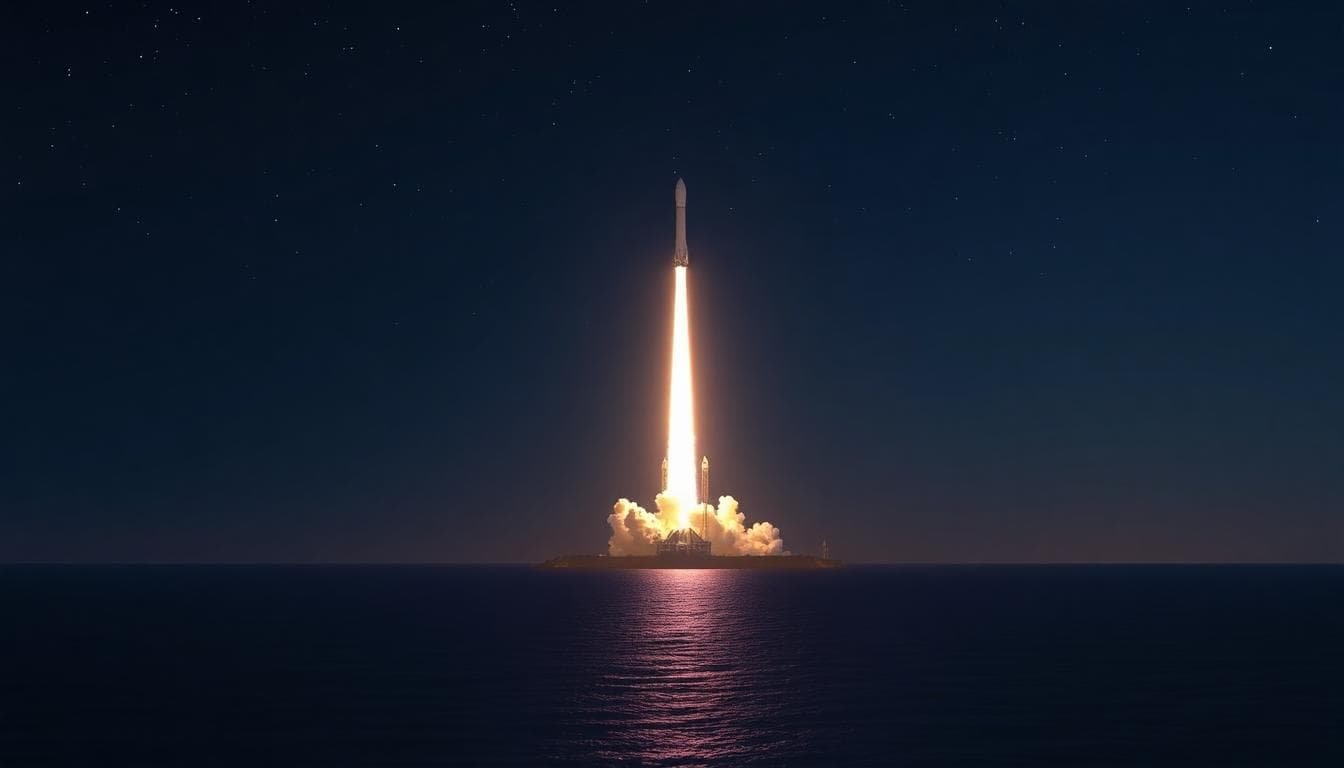
The latest record-breaking launch lifted off quietly in the dark. A Falcon 9 soared into the sky with 29 Starlink satellites, adding to SpaceX’s growing internet constellation. It marked the 94th orbital launch from Florida in the year, beating the previous annual record for the site.
What is happening in Florida reflects a worldwide trend. Within days of that mission, a Chinese Long March rocket also reached orbit from an ocean platform, helping push the global count to well over 250 orbital launches this year. If the pace continues, the world could see around 300 launches to orbit by year’s end, more than double the number from just a few years ago.
For decades, launch numbers were fairly steady. In the mid‑2000s, the world actually experienced a slump, with only a few dozen orbital missions in some years. Now the curve has bent sharply upward, and Cape Canaveral is a big reason why.
From Spectacle to “Routine” Launches
If you stand a few miles from a launch pad today, the scene might surprise you. Unless the mission is a rare test flight or a brand new rocket, the crowds are smaller than you might expect. Many local launches no longer draw thousands of visitors. Instead, a handful of photographers, space fans, or retirees gather quietly to watch.
This does not mean rocket launches are boring. It means they are becoming more regular. On the same night as the record-setting Falcon 9 launch, Orlando International Airport handled a similar number of airplane departures in just a few hours. Air travel once felt special too. Now it is so normal that most people barely notice.
Spaceflight is not that safe yet, and experts still warn against using the word “routine.” Rockets are complex machines that face extreme heat, pressure, and vibration. They have far fewer backup systems than airliners, and there is no chance to safely pull over if something goes wrong.
Even so, the reliability trend is clear. SpaceX’s Falcon 9 has flown hundreds of times with a very low failure rate compared to earlier rockets. Reusable boosters return to landings or droneships, then fly again and again. The result is a higher launch cadence, lower costs per mission, and a new sense of confidence among customers.
Why Launch Numbers Alone Don’t Tell the Full Story
The raw count of launches is only part of the picture. To understand how the space industry is changing, it helps to look at how much mass is actually being sent into orbit.
Today, a large share of the world’s payload mass comes from a single rocket family. SpaceX’s Falcon 9 launches so often, and carries so many satellites per flight, that it dominates the market. Many missions are Starlink batches, with up to around 20–30 small satellites stacked on top of each other inside the rocket’s fairing.
Analyses of recent launch data show that SpaceX has delivered the vast majority of the world’s total payload mass to orbit over the last couple of years. While other rockets fly from China, Europe, India, and elsewhere, Falcon 9’s frequent flights and heavy loads make it the main workhorse of today’s launch industry
This focus on payload mass also highlights a deeper shift. In the past, a launch might carry a single, very large, expensive satellite. Now, many missions carry dozens of smaller satellites at once. Constellations provide global coverage for internet, imaging, and communications. The space economy is moving from a few big satellites to many smaller ones.
Cape Canaveral’s Role in the New Space Economy
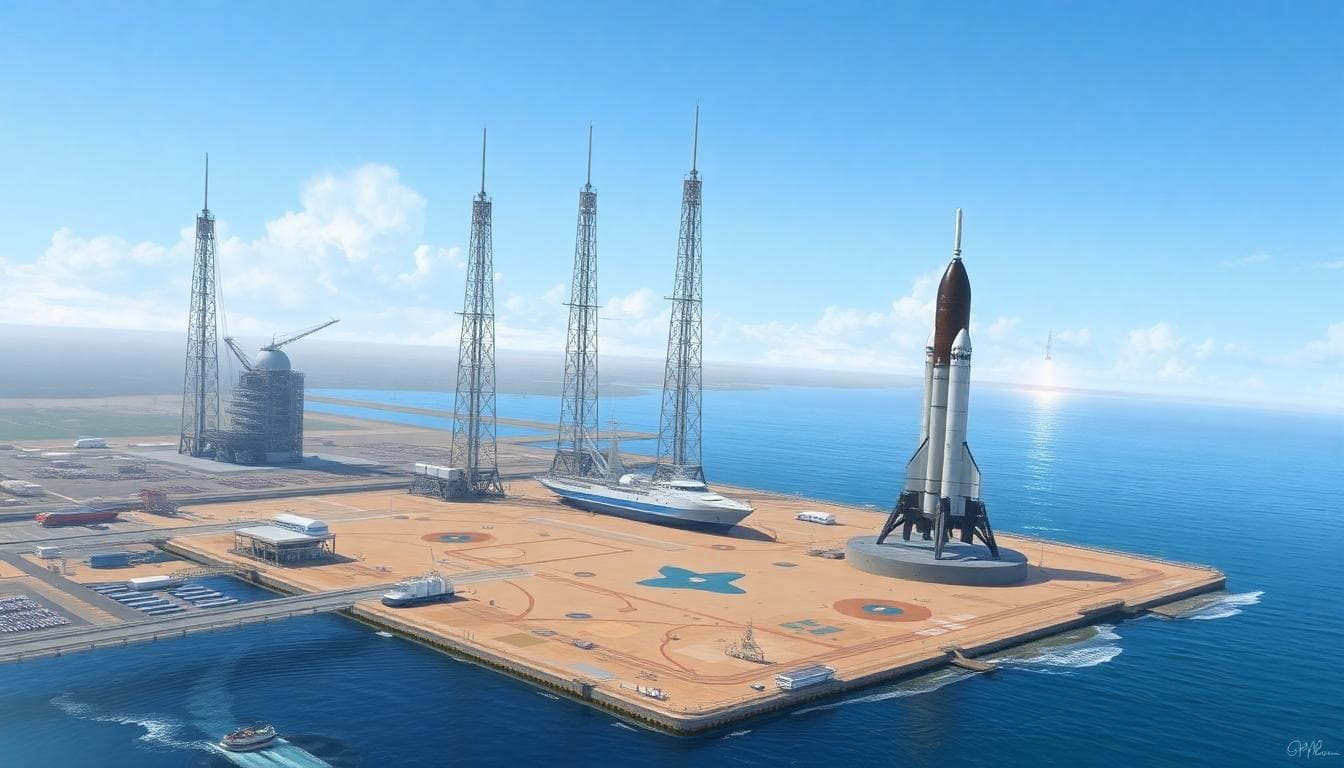
Cape Canaveral and nearby Kennedy Space Center are central hubs in this transformation. They offer proven infrastructure, a skilled workforce, and easy access to useful orbits over the Atlantic. Over time, the Space Coast has added more launch pads, more companies, and more mission types.
SpaceX uses several pads for Falcon 9 and its larger Falcon Heavy. United Launch Alliance flies its rockets from here, and new vehicles from other companies are in development. The result is a steady stream of missions: batches of Starlink satellites, government science payloads, crewed flights to the International Space Station, and launches for commercial customers.
Each mission supports jobs in engineering, manufacturing, tracking, and support services. Local communities feel the impact through tourism, construction, and small businesses that serve the growing workforce. As launch numbers climb, the Space Coast’s identity as a space hub grows stronger.
More Launches, More Responsibility
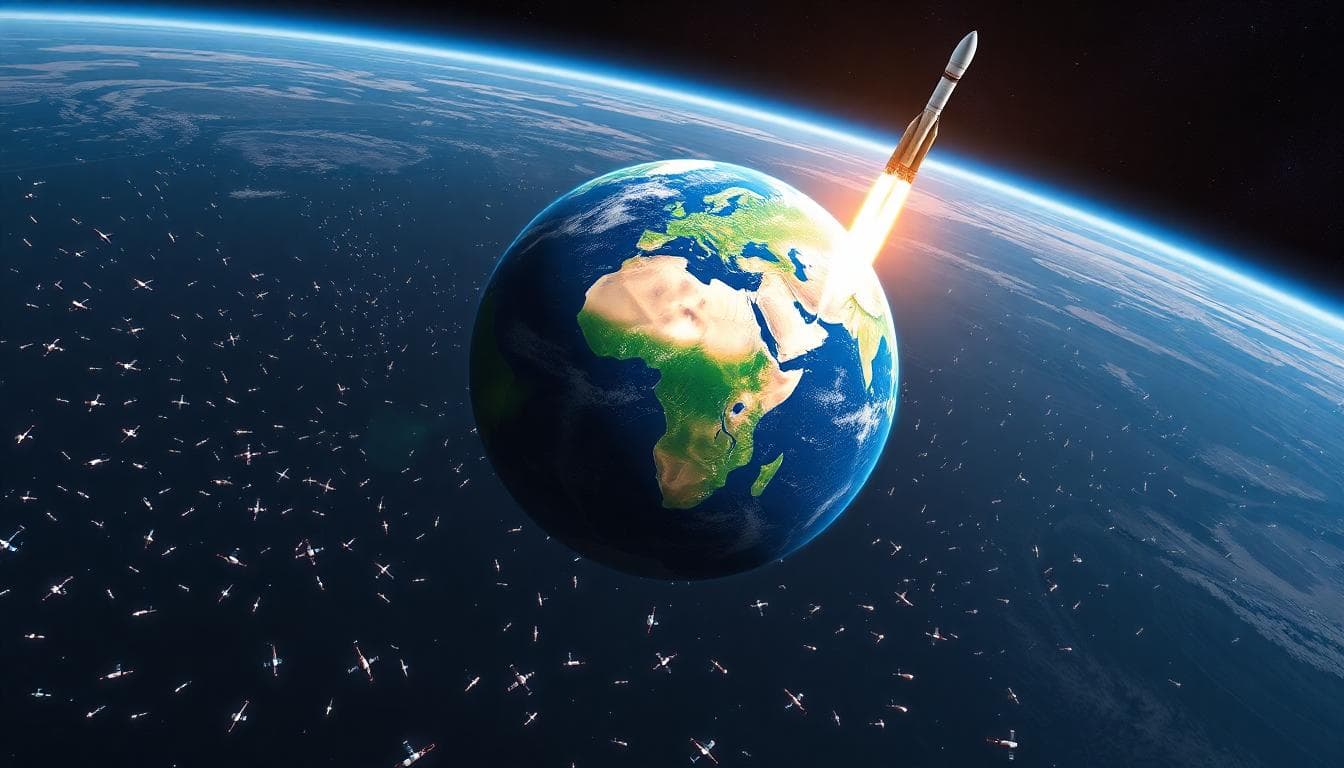
There is a flip side to this rapid growth. Filling Earth orbit with thousands of satellites brings new challenges. Traffic management, radio interference, and space debris are now major topics for space agencies and regulators.
As the world’s busiest spaceport, Cape Canaveral sits at the heart of these discussions. Every new launch adds hardware to orbit. Companies and governments must think carefully about how long satellites stay in space, how they avoid collisions, and how they will safely deorbit when their missions end.
There are also questions about the night sky. Some astronomers worry that large constellations will interfere with deep space observations, though satellite operators are working on ways to reduce brightness and improve coordination.
The Future of the World’s Busiest Spaceport
Looking ahead, there is no sign that activity at Cape Canaveral is slowing down. New rockets are preparing for flight, reusable launch systems are improving, and demand for satellite services keeps growing. Space tourism, cargo flights, lunar missions, and deep space probes may all launch from the same stretch of Florida coastline.
The current record for yearly launches will likely be broken again, and again. That would have been hard to imagine during the quieter years, when only a handful of missions left Earth from the Space Coast. Now, “another launch” is part of daily life.
Even if crowds shrink for routine Falcon 9 missions, the sight and sound of a rocket rising into the sky is still powerful. Each launch carries not just satellites and hardware, but also the story of how space is becoming a larger part of our everyday lives.
As the world’s busiest spaceport keeps getting busier, Cape Canaveral shows us what the new era of spaceflight looks like: frequent, commercially driven, and deeply woven into communications, navigation, science, and exploration. The numbers will keep climbing, but behind every statistic is a rocket leaving Earth, blazing a path into orbit above the Florida coast.
To contact us click Here .