SpaceX called off a planned Falcon 9 launch from Vandenberg Space Force Base in California due to a ground systems issue at the pad. The mission was set to carry Italy’s Cosmo-SkyMed Second Generation Flight Model 3 (CSG-FM3) Earth observation satellite into low Earth orbit. SpaceX said it will try again on the next available opportunity, with a new date and time expected after teams finish troubleshooting and reset the countdown.
The flight was expected to close out SpaceX’s Falcon 9 launches for 2025. Even with the scrub, the mission remains an important one for Italy’s civil and defense communities because the satellite provides high-value radar imagery used for everything from disaster response to maritime monitoring.
Source note: This article is an original summary based on publicly reported mission details from Spaceflight Now and other official updates. Always rely on SpaceX and the National Weather Service of spaceflight (range and launch providers) for final timing and safety notices.
Why the launch was scrubbed
According to mission updates, SpaceX halted the countdown because of a ground systems issue. That phrase usually points to equipment on the pad rather than a problem with the rocket or payload. Ground systems can include fueling hardware, sensors, valves, communications links, or support equipment used to keep the vehicle stable and safe right up to liftoff.
Scrubs like this are common in orbital launches. Launch teams would rather stop and fix a ground problem than risk a last-second abort, a delayed ignition sequence, or a constraint violation that could impact the rocket, the payload, or the launch site.
What is CSG-FM3?
The payload for this flight is Cosmo-SkyMed Second Generation Flight Model 3 (CSG-FM3), a radar Earth-observation satellite for the Italian government. The Cosmo-SkyMed Second Generation program is managed jointly by the Italian Space Agency and Italy’s Ministry of Defense, making it a “dual-use” system that supports both civilian and national security needs.
CSG-FM3 is the third satellite in the second-generation series. Earlier spacecraft in the same line launched in 2021 and 2022 on different rockets, and the overall plan calls for a four-satellite constellation built by Thales Alenia Space.
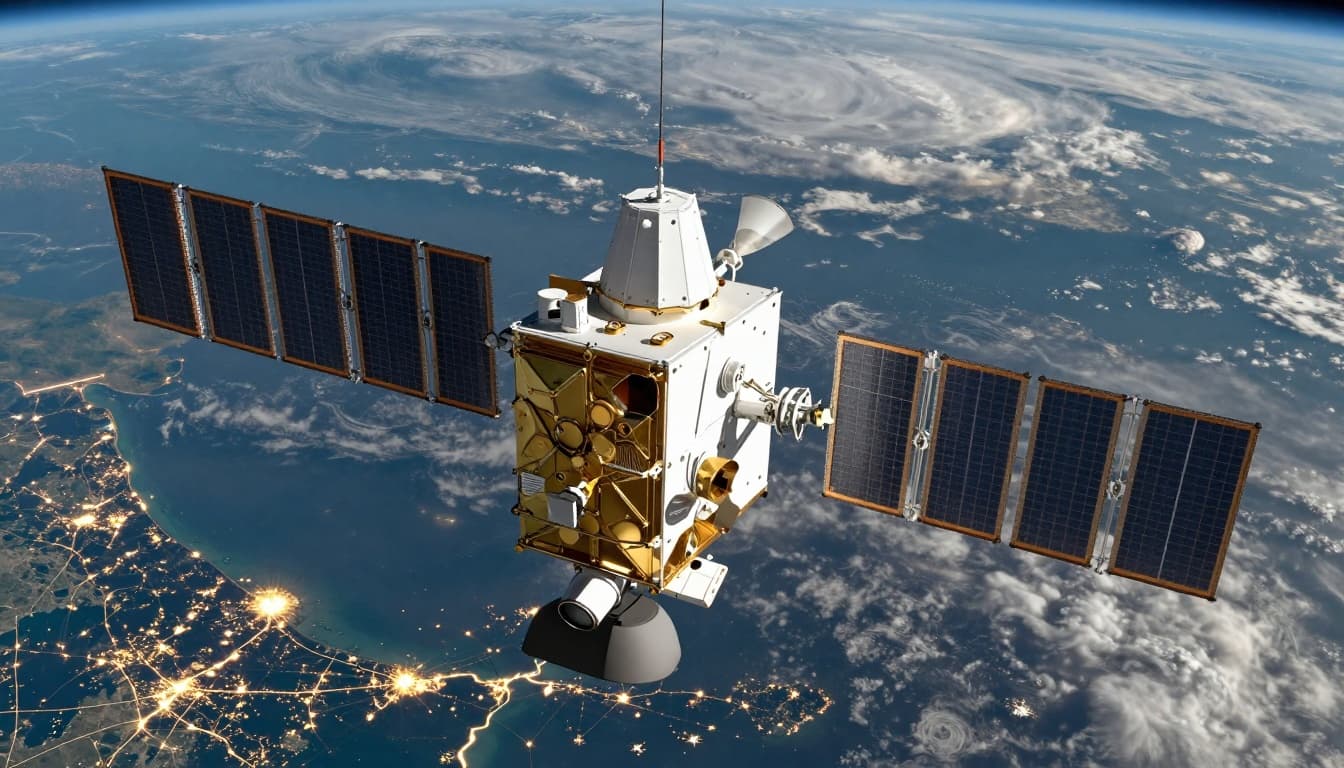
Radar imaging that works at night and through clouds
Unlike optical satellites that rely on sunlight and clear skies, Cosmo-SkyMed Second Generation satellites carry synthetic aperture radar (SAR) operating in the X-band. SAR can “see” the ground by sending radar pulses and measuring the signal that returns. This allows the system to collect imagery:
- Through cloud cover (a major advantage during storms and disasters)
- In darkness (useful for night operations and winter months)
- Across large areas for repeated monitoring and change detection
That capability is why radar satellites are so valuable for emergency management. Flooding, landslides, oil spills, and major wildfires do not wait for clear skies. A radar satellite can keep gathering data when other sensors are blocked.
Orbit and data access
CSG-FM3 is expected to operate in a Sun-synchronous polar orbit, a path that lets the satellite pass over locations at roughly the same local solar time on each visit. This consistency makes it easier to compare images over days, weeks, and months.
Another key point is availability. Data from the Cosmo-SkyMed Second Generation system is made accessible through the European Space Agency (ESA) Third Party Missions Programme, which supports scientific and institutional uses of non-ESA missions. This expands who can benefit from the satellite’s observations.
The Falcon 9 rocket and booster reuse
For this mission, SpaceX assigned Falcon 9 booster B1081. The flight is expected to be the booster’s 21st mission, continuing SpaceX’s routine practice of reusing first stages to reduce cost and increase launch cadence.
Booster B1081 has previously supported a mix of missions, including high-profile flights for NASA. Reusing a booster that has already flown many times is now normal for Falcon 9, but it still represents an engineering achievement: the stage must survive launch loads, reentry heating, and landing, then be inspected and refurbished for the next flight.
Planned mission profile: launch, landing, then satellite deployment
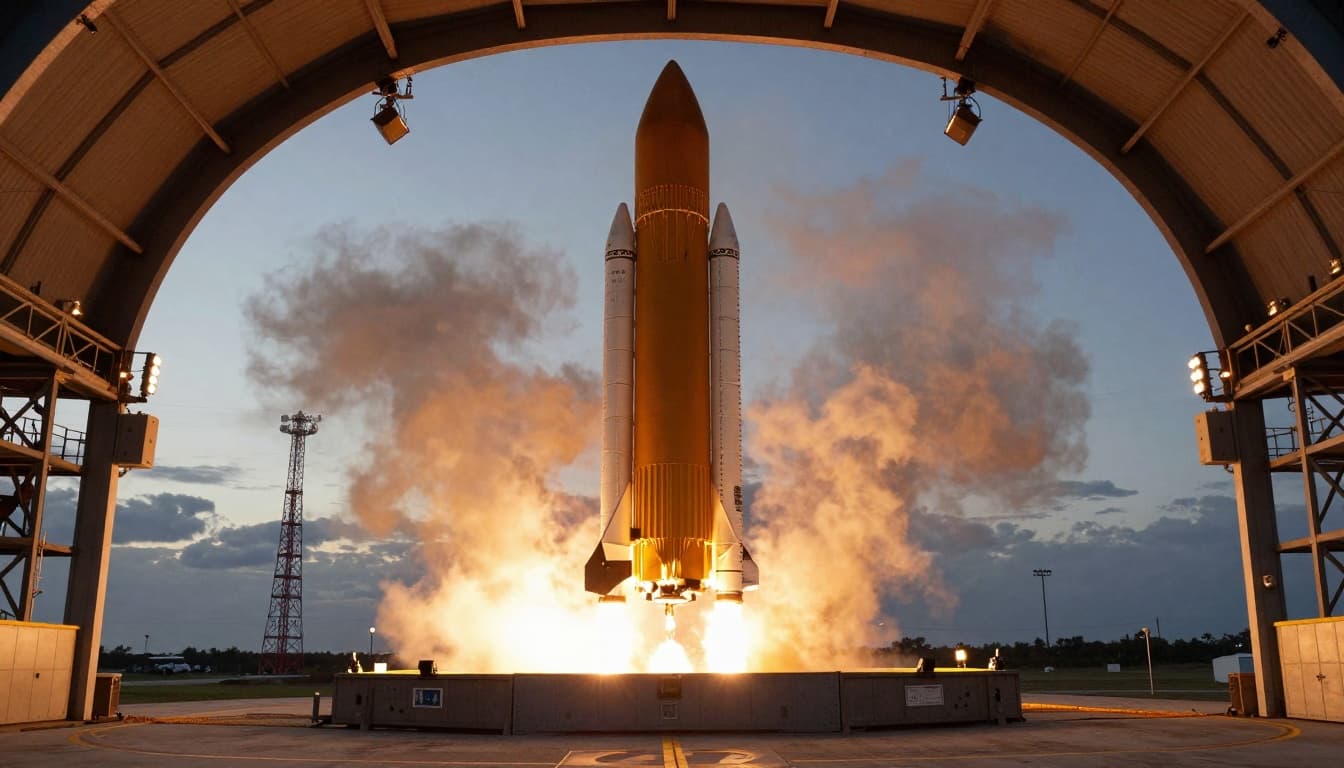
When the countdown proceeds to liftoff on the next attempt, the mission will follow the familiar Falcon 9 sequence. In broad terms, the rocket climbs out from Vandenberg, the first stage separates, and the booster returns to the California coast for a landing. The upper stage continues to orbit and releases the satellite after reaching the correct trajectory.
Reported mission planning called for:
- Booster landing about 8.5 minutes after liftoff at Landing Zone 4
- Satellite deployment roughly 17 minutes after liftoff
If successful, the landing would add to SpaceX’s growing record of booster recoveries at Vandenberg and support quick turnaround for future West Coast missions.

What happens next
After a scrub, the launch team reviews data, fixes the issue, and works through a new set of checkouts. The next attempt depends on several moving parts, including pad readiness, range availability, weather, and spacecraft constraints.
Once SpaceX confirms a new target time, the company typically publishes an updated launch window and a new webcast start time. If you follow launches closely, it is smart to check updates in the final hours before liftoff because timing can shift.
Why this mission matters
CSG-FM3 strengthens a radar-imaging constellation used for practical, real-world needs. The system supports risk management, mapping, environmental monitoring, maritime awareness, and security missions. In short, it helps decision-makers see what is happening on the ground, even when weather or darkness would normally hide it.
And for SpaceX, the flight is another example of how routine orbital launch has become: a reusable booster, a short mission timeline, and a steady cadence from the West Coast. Once the ground systems issue is resolved, the mission should be ready to fly.
To contact us click Here .