
The latest U.S. jobs report shows a labor market that is slowing down. According to the Bureau of Labor Statistics, the country lost around 105,000 jobs in October and added only 64,000 in November. On the surface, it might look like a simple cooling period after a strong few years of job growth.
A closer look, however, reveals deeper problems. Job creation has become weaker and more uneven. Certain workers and sectors are feeling more pain than others. If these trends continue, the U.S. labor market could face a more serious slowdown in the months ahead.
1. Job Growth Started Faltering in the Spring
At the start of 2025, the labor market looked solid. From January through April, employers added about 122,000 jobs per month on average. This pace was not explosive, but it signaled steady growth and a healthy economy.
Things shifted around April, about the same time President Donald Trump announced his “Liberation Day” tariffs. Since May, job growth has slowed to an average of about 32,000 new jobs per month. That means the economy has been creating only about a quarter as many jobs as it did in the first four months of the year.
From May to November, payrolls rose in four months and fell in three. That pattern is a big change from recent years, when monthly job losses were rare outside of major shocks like the Covid-19 pandemic in 2020.
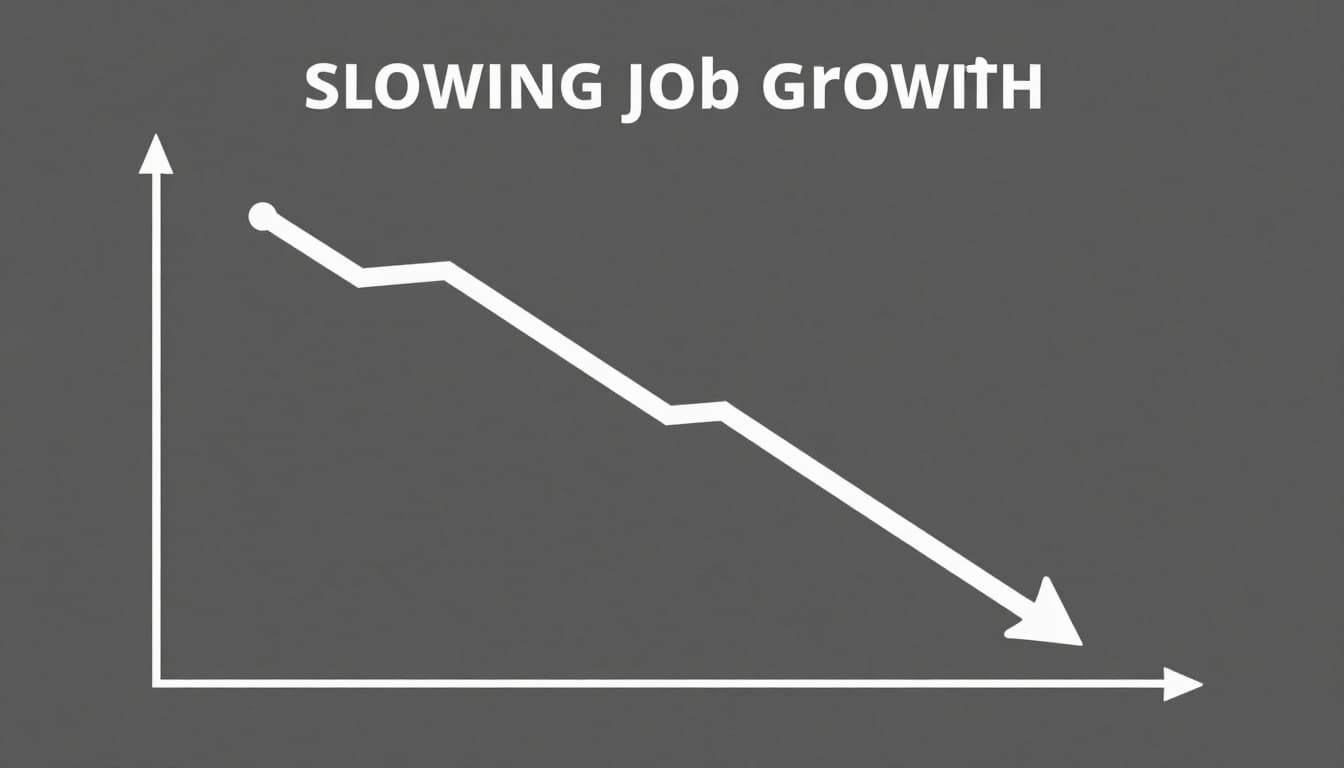
Monthly jobs data can be noisy, and numbers are often revised later. Still, the broader pattern points to a labor market that is losing momentum. Slower job growth today can turn into rising unemployment tomorrow if businesses keep pulling back on hiring.
2. Black Unemployment Is Rising Faster Than Overall Unemployment
One of the most troubling signs in the latest data is the jump in unemployment among Black workers. In May, Black unemployment was 6.0 percent. That figure was only 1.8 percentage points higher than the overall U.S. unemployment rate at the time.
By November, Black unemployment had climbed to 8.3 percent. The gap with the overall jobless rate widened to 3.7 percentage points. While the national unemployment rate rose only 0.4 percentage points from May to November, unemployment for Black workers jumped 2.3 points over the same period.
This suggests that Black workers are being hit harder by the cooling labor market. When the economy slows, groups that already face structural barriers often feel the impact first and most deeply. That can worsen existing gaps in income, wealth, and job stability.

Policymakers, employers, and community leaders will need to watch this trend closely. If it continues, it could roll back gains made in recent years to narrow racial gaps in the job market.
3. Job Gains Are Concentrated in Health Care and Social Services
Another key shift in the data is where job growth is happening. Nearly all recent private-sector job gains have come from just two fields: health care and social services.
In November, home health aides, nursing home workers, and other health roles led the growth. In social services, positions in individual and family services, including support for older adults and people with disabilities, made up much of the increase.
Analysts at Sage Economics note that most of the job growth in 2025 has come from these two sectors. While it is good that these areas are hiring, it is risky to rely on such a narrow slice of the economy. Broad-based job growth across many industries is healthier and more sustainable over time.
4. Factory and White-Collar Office Jobs Are Shrinking
While health and social services are adding jobs, several other key sectors are losing them. Manufacturing and business services have seen some of the largest declines.
Outside of government, which saw the biggest sector-wide drop, business services shed around 80,000 jobs this year. Manufacturing lost about 63,000 jobs, according to analysis from economist Zach Fritz at Sage Economics.

The decline in factory jobs is especially notable given promises to revive U.S. manufacturing. Despite political pledges, the combination of global trade tensions, automation, and shifting demand has kept pressure on the sector.
White-collar business services are also shrinking at a time when artificial intelligence is spreading quickly across offices. It is hard to know exactly how many jobs AI is replacing so far, but one Goldman Sachs estimate suggests that full adoption could threaten 6 to 7 percent of the U.S. workforce. Even if the real number ends up lower, the direction of change points to disruption ahead for many office workers.
5. Teen Unemployment Has Surged to the Highest Level Since 2020
Teenagers are another group facing more trouble in the labor market. The teen unemployment rate jumped to 16.3 percent in November. In the most recent report before the government shutdown, it had been 13.2 percent.
That is the highest level of teen unemployment since August 2020, when the pandemic kept many young people out of the workforce. For teens, a weak job market can mean fewer chances to gain early work experience, build skills, and save money for school or other goals.
When entry-level positions become scarce, teens often need to compete directly with older workers who may have more experience. This can push them further to the back of the hiring line, especially during slowdowns.
What These Trends Could Mean Going Forward
Taken together, these five trends point to a labor market that is losing strength in uneven ways. Overall job growth is weaker, and the pain is not spread evenly. Black workers, teens, factory workers, and some white-collar professionals are facing more risk than others.
At the same time, job gains are heavily concentrated in health and social services. These roles are important, but they cannot single-handedly support a strong, balanced economy. A healthy job market needs growth in a wider range of industries, from manufacturing and technology to retail and logistics.
For policymakers, these warning signs may raise questions about interest rate policy, tariffs, and support for workers who are being displaced. For workers and job seekers, it underscores the value of flexible skills, ongoing training, and staying informed about which sectors are growing or shrinking.
The headline numbers in a jobs report never tell the full story. Right now, the story beneath the surface is one of a job market that is still standing, but showing cracks that should not be ignored.
To contact us click Here .