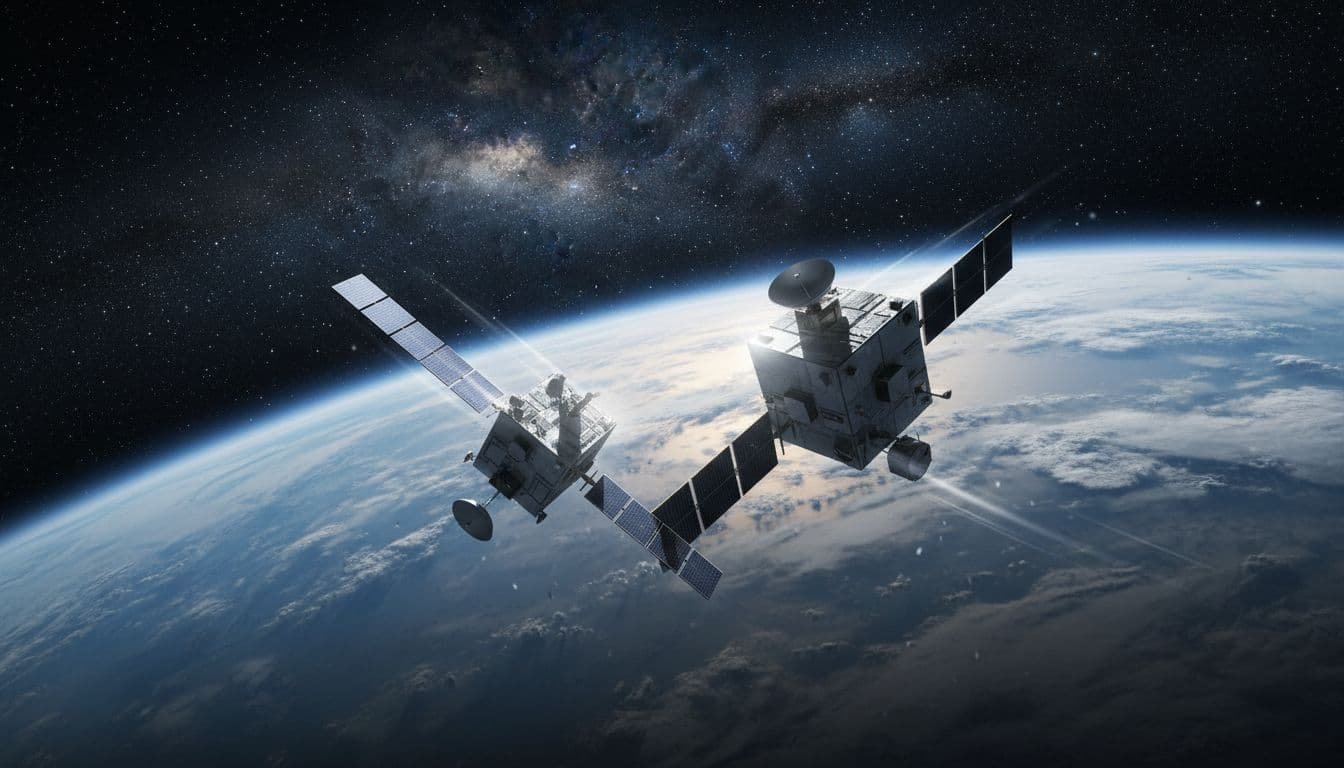
A SpaceX Starlink satellite recently had a close call in low Earth orbit after a spacecraft from a Chinese launch passed within a few hundred meters. According to SpaceX, the near-miss highlights growing risks in an increasingly crowded orbital environment and the need for better coordination between satellite operators.
What Happened In The Near-Miss?
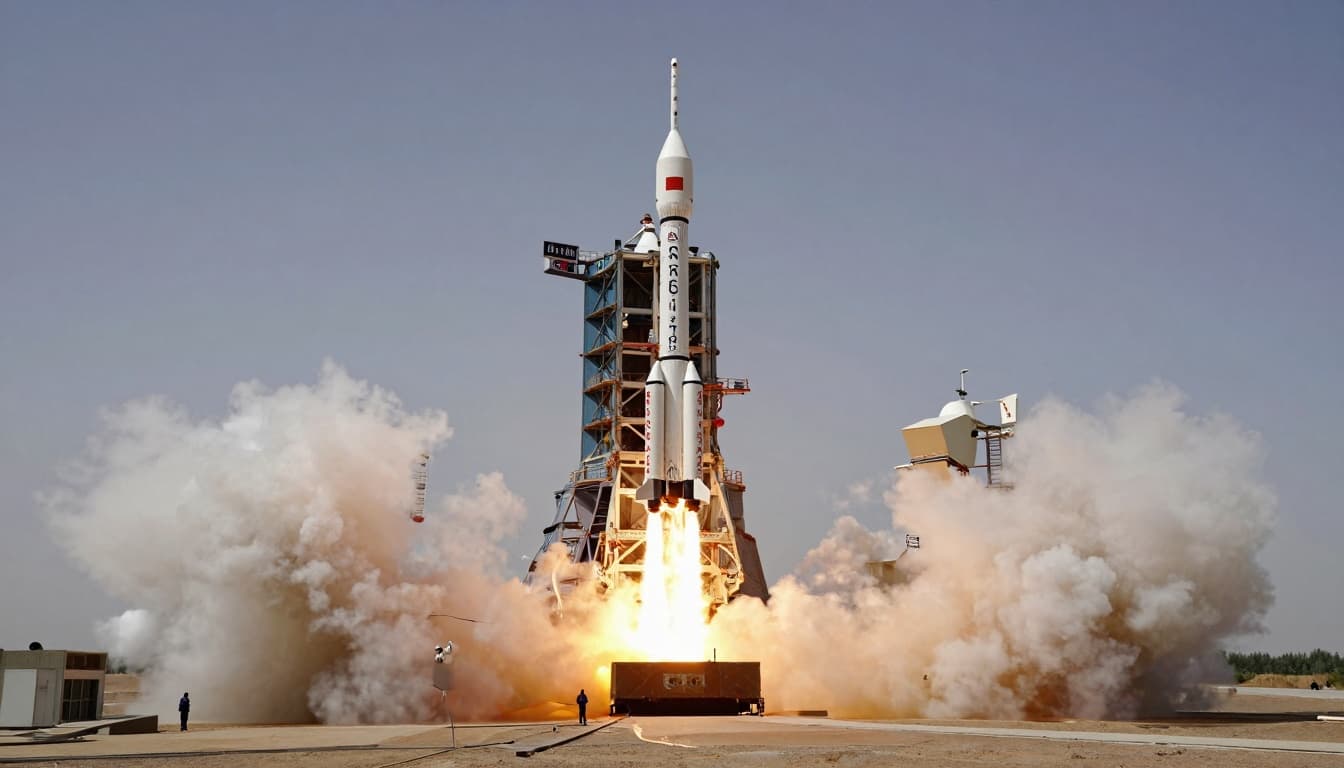
The close approach involved one of SpaceX’s Starlink internet satellites and a spacecraft launched on a Chinese Kinetica 1 rocket. That rocket lifted off from the Jiuquan Satellite Launch Center in the Gobi Desert and deployed nine satellites into orbit.
SpaceX says that one of those spacecraft came within about 200 meters of a Starlink satellite at an altitude of roughly 560 kilometers. In orbital terms, that is an uncomfortably tight pass, especially when both objects are moving at around 17,000 miles per hour.
Michael Nicolls, vice president of Starlink engineering at SpaceX, posted about the event on X. He said there was no attempt to coordinate or deconflict the new satellites with existing spacecraft operating in that part of orbit.
Nicolls warned that most of the risk in space now comes from a lack of coordination between satellite operators and that this needs to change quickly as more objects are launched.
Who Launched The Other Spacecraft?
The other satellite involved in the near-miss came from a Kinetica 1 mission operated by CAS Space, a Chinese launch company based in Guangzhou. Kinetica 1 is a solid-fuel rocket around 30 meters tall that has been used to launch small satellites for different customers.
On this flight, the rocket reportedly carried:
- Six Chinese multifunction satellites
- An Earth observation satellite for the United Arab Emirates
- A scientific satellite for Egypt
- An educational satellite for Nepal
SpaceX did not publicly name which of these nine payloads came close to the Starlink satellite.
CAS Space posted its own response on X, saying that it always uses ground-based space awareness systems to select launch windows and avoid known satellites and debris. The company said it considers that process a mandatory part of its work as a launch provider.
CAS Space also noted that the close approach appears to have taken place almost 48 hours after the satellites were deployed. By that time, the company said, the launch mission was already complete and further coordination should be handled with the individual satellite operators.
Earth Orbit Is Getting Very Crowded
This incident did not result in a collision, but it is a clear sign of the pressure building in low Earth orbit. The number of active satellites has surged in just a few years.
- In 2020, there were roughly 3,400 working satellites around Earth.
- By 2025, that number had grown to around 13,000.
- Thousands more are being launched every year, many of them for broadband constellations.
SpaceX is the largest single player. The company operates nearly 9,300 Starlink satellites, and more than 3,000 of those launched in 2025 alone.
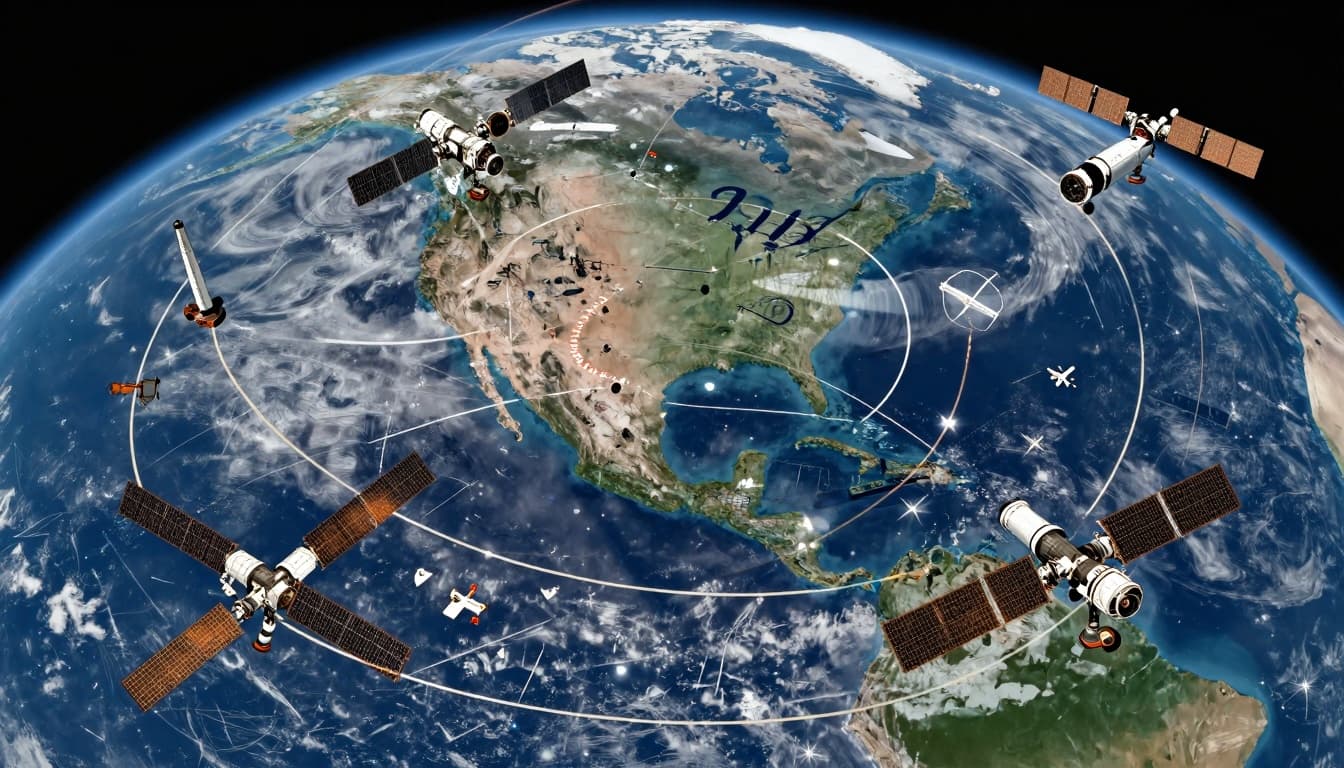
As more companies and countries place satellites into similar altitude bands, the odds of close approaches and potential collisions rise. Every operator now has to track not only natural space debris, but also thousands of other active spacecraft from around the world.
How Starlink Handles Collision Avoidance
Starlink satellites are designed to automatically dodge possible collisions when tracking data shows a high risk of a close pass. They use onboard propulsion and guidance systems to adjust their orbits.
In the first half of 2025 alone, Starlink satellites carried out around 145,000 avoidance maneuvers. That averages to about four maneuvers per satellite per month, a sign of how often potential conjunctions occur in busy areas of orbit.
While this system has worked well so far, it depends heavily on having good information about where other objects are and where they are going. If operators do not share trajectory data or do not coordinate, even advanced satellites can still be surprised by sudden close passes, like the one SpaceX described.

Why Better Coordination Matters
The main worry is not just one near-miss. It is the chance that a single collision could kick off a chain reaction in orbit if it creates a large cloud of debris.
Even one crash between two satellites, or between a satellite and a big piece of space junk, could:
- Shatter both objects into thousands of fragments.
- Spread debris across a wide range of altitudes.
- Increase the risk of further impacts with other spacecraft.
This worst-case scenario is sometimes called the Kessler Syndrome. In that scenario, debris from one collision causes more collisions, which create even more debris, making some orbits difficult or unsafe to use.
To prevent that future, satellite operators are calling for:
- Better sharing of orbital data and maneuver plans.
- Clear rules and norms for how to handle close-approach warnings.
- Improved tracking of small debris and new satellites.
CAS Space And SpaceX Call For More Collaboration
In its response, CAS Space said it plans to work with satellite operators to understand exactly what happened and how the risk can be reduced. The company also said it supports rebuilding cooperation between different “New Space” ecosystems around the world.
SpaceX, through Nicolls’ comments, is pressing for a broader change in how operators plan and communicate. For constellations as large as Starlink, consistent behavior by everyone in orbit is essential to keep the risk at a manageable level.
This near-miss ended without damage, but it acts as a warning sign. With thousands of satellites already in low Earth orbit and thousands more on the way, better coordination is no longer optional. It is becoming a basic requirement for keeping space safe and useful for everyone.
This article is for general information only and is based on public reports. It is not an official statement from any company or agency.
To contact us click Here .