Based on reporting from PEOPLE and federal court documents. All defendants are presumed innocent until proven guilty in a court of law.
Prosecutors say a simple airport parking problem turned into a serious federal crime. A Louisiana man has been indicted after he allegedly called in a bomb threat when he could not pay to exit the parking lot at Louis Armstrong New Orleans International Airport.
The case is a sharp example of how a bad split-second decision can bring major legal consequences. What started as a routine attempt to leave the short-term parking lot is now a federal bomb threat case that could carry years in prison and a large fine.
Indictment After Alleged Threatening Calls
According to a press release from the U.S. Attorney’s Office for the Eastern District of Louisiana, 35-year-old Corey Johnson of Alexandria, Louisiana, was indicted on November 20 for willfully conveying a bomb threat. The charge stems from an alleged incident at the New Orleans airport on November 7.
Prosecutors say Johnson tried to leave the airport’s short-term parking in his Jeep but could not pay the parking fee. An FBI affidavit says he was “unable to render payment” at the exit and refused repeated requests to move his vehicle away from the lane.
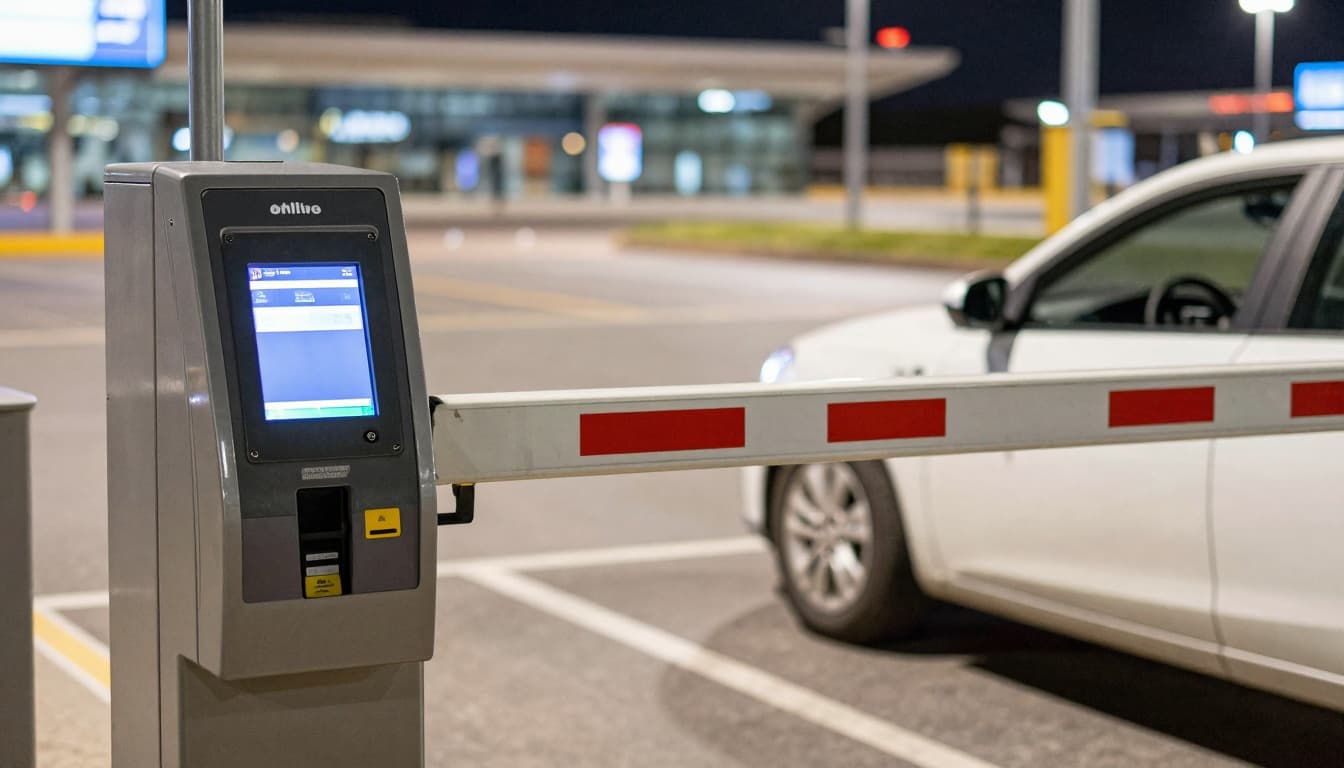
Airport parking staff and airport police asked him to move the Jeep away from the exit. The affidavit says that once deputies from the Jefferson Parish Sheriff’s Office arrived, Johnson finally agreed to move the vehicle until he could find the money needed to leave the lot.
The Alleged Bomb Threat Calls
Later that evening, deputies were alerted to a threatening phone call to the airport’s Aviation Communications (AVCOM) center. Court documents say the caller demanded that the operator “page Hassan.”
“If you do not page him, we have a bomb. We have the bomb if you do not page him,” the caller allegedly said, according to the affidavit.
At that point, the situation escalated from a payment dispute to a potential emergency. Airport personnel and law enforcement have to treat any bomb threat as real until they can prove otherwise. That can trigger lockdowns, evacuations, delayed flights, and a large response from local and federal agencies.
Around 10:35 p.m., the AVCOM center reportedly received a second call from the same number. This time, the caller tried to disguise his voice. The affidavit says he used profanity and repeated the demand to page “Hasaan” and “bring the bomb to level three.”
How Investigators Traced The Call
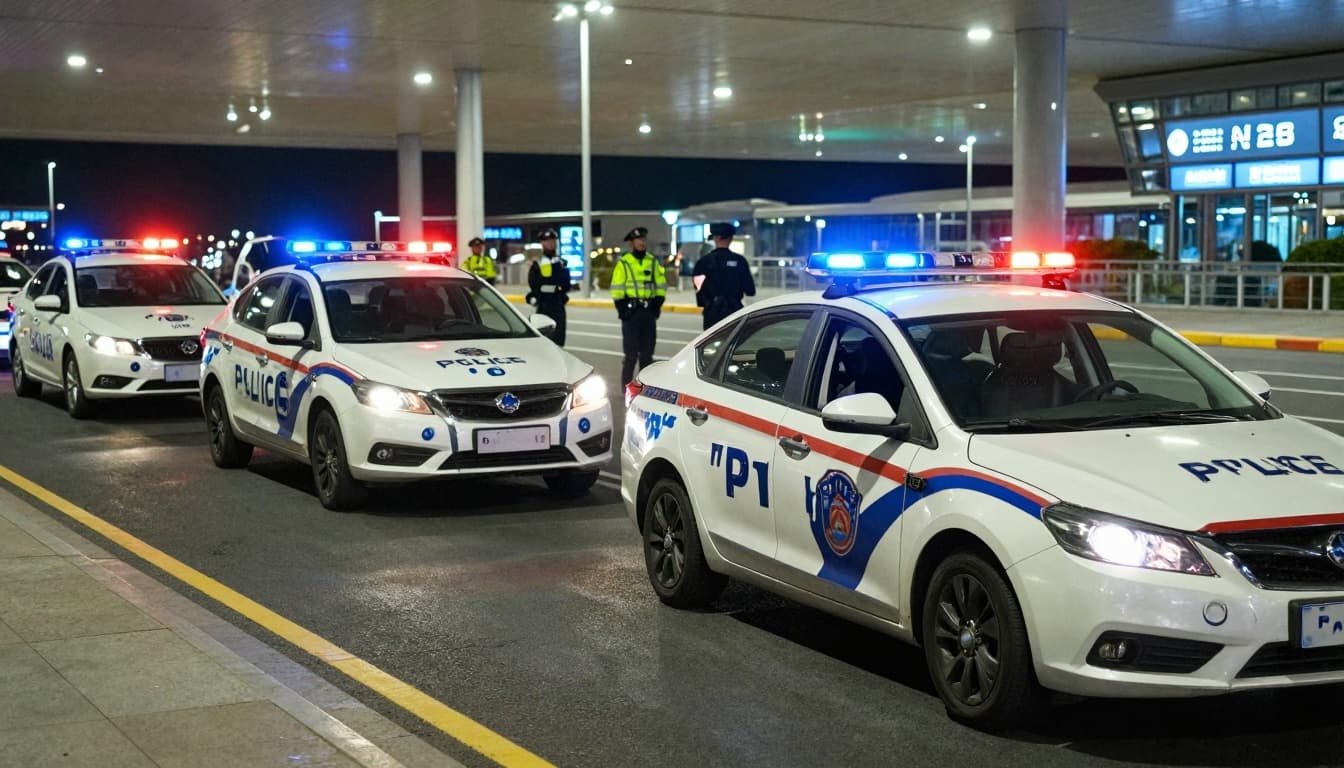
According to the FBI, deputies used phone data to “ping” the device linked to the threatening calls. That signal allegedly brought them to a location outside the north terminal of the airport.
The affidavit says deputies connected the number to Johnson and then returned to the parking lot. Around 10:52 p.m., they claim they found him sitting in the driver’s seat of his Jeep.
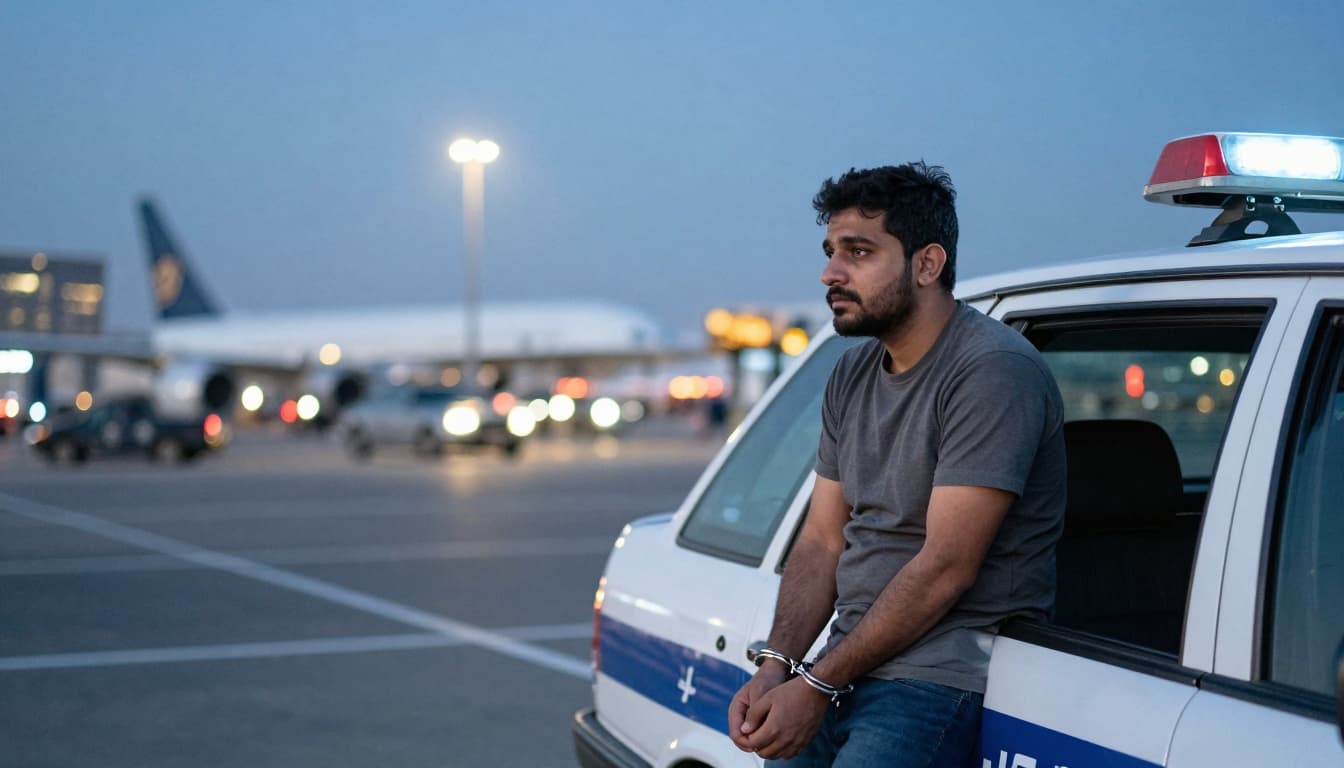
Officers then called the phone number that had been used to threaten AVCOM. According to the court filing, they heard the phone ringing on the driver’s seat of Johnson’s vehicle. At that point, they placed him under arrest.
Investigators say Johnson later admitted that he called the airport twice that evening. When asked if he said he or others had a bomb, he reportedly replied, “something like that.”
Possible Penalties If Convicted
The U.S. Attorney’s Office says Johnson faces one count of willfully conveying a bomb threat. If convicted, he could face:
- Up to 10 years in federal prison.
- Up to a $250,000 fine.
- Up to three years of supervised release.
- A $100 mandatory special assessment fee.
Even though no actual explosive device was found, bomb threats are treated as serious crimes. They can cause fear, force authorities to clear terminals or garages, and interrupt travel for hundreds or thousands of people.
Federal law does not require that a real bomb exist for a bomb threat charge. The key issue is whether the person “willfully” conveyed a threat that could reasonably be taken as real.
Legal Process And Presumption Of Innocence
Johnson has been indicted, which means a grand jury found there was enough evidence to bring the charge. It does not mean he is guilty. He will have the chance to enter a plea and challenge the government’s evidence in court.
An arraignment was scheduled for December 3, according to the U.S. Attorney’s Office. At that hearing, defendants typically hear the charge, are informed of their rights, and enter a plea of guilty or not guilty.
Johnson’s attorney, Claude Kelly, did not immediately respond to requests for comment reported by PEOPLE. Defense lawyers may argue about how the calls are interpreted, the intent behind the statements, and the strength of the evidence that ties the phone to the defendant.
Like every criminal defendant, Johnson is presumed innocent until proven guilty in a court of law. Prosecutors must show beyond a reasonable doubt that he knowingly made the threats described in the indictment.
A Costly Response To A Parking Dispute
The case highlights how fast an everyday frustration, like a parking fee dispute, can turn into a major legal situation. From an alleged refusal to move a vehicle, the story escalated into police involvement, a bomb threat investigation, and now a federal indictment.
For airports and law enforcement, the response to any mention of a bomb has to be immediate and serious. The risk of ignoring a real threat is too high, so even false reports are treated as emergencies until they are resolved.
For travelers, the incident is a reminder that what might feel like a joke, a way to express anger, or a way to get attention can have life-changing legal consequences. Bomb threats are not handled as pranks; they are handled as crimes.
To contact us click Here .