Airbus has spent the last few days racing against the clock to fix a safety issue across thousands of its A320-family jets. After a computer vulnerability linked to solar activity showed up in a recent incident, regulators ordered airlines to update flight control software on a large part of the global A320 fleet. What first looked like a major crisis is now easing, as most affected aircraft have already been modified and returned to normal service.
The recall covers around 6,000 A320-family aircraft worldwide. According to Airbus, the vast majority of those jets have now received the software update, with fewer than 100 still waiting for the fix. Airlines experienced short-term disruption, but so far the impact has been much smaller than many feared when the news first broke.
What Triggered The A320 Software Recall?
The recall traces back to a mid-air incident on a JetBlue A320 in the United States. The aircraft experienced a flight control issue that raised concerns about how its computers might react under certain rare space weather conditions, especially strong solar flares. Investigators noticed a possible link between the software and the behavior of the jet during that event.
While the connection between the solar activity and the incident has not been fully proven, regulators and Airbus decided not to take any chances. Working with aviation authorities around the world, Airbus issued a safety alert that effectively required airlines to ground affected jets until they could complete a specific software change.
This decision meant that roughly half of all A320-family jets in service needed checks and updates in a very short period of time. For airlines, that raised big questions about flight cancellations, schedules, and how to keep passengers moving.
How The Software Fix Works
The repair itself is a software change focused on the part of the flight control system that manages the aircraft’s nose angle. Instead of installing an entirely new program, engineers are rolling back to a previous version of the software that is considered more robust for the specific scenario regulators are concerned about.
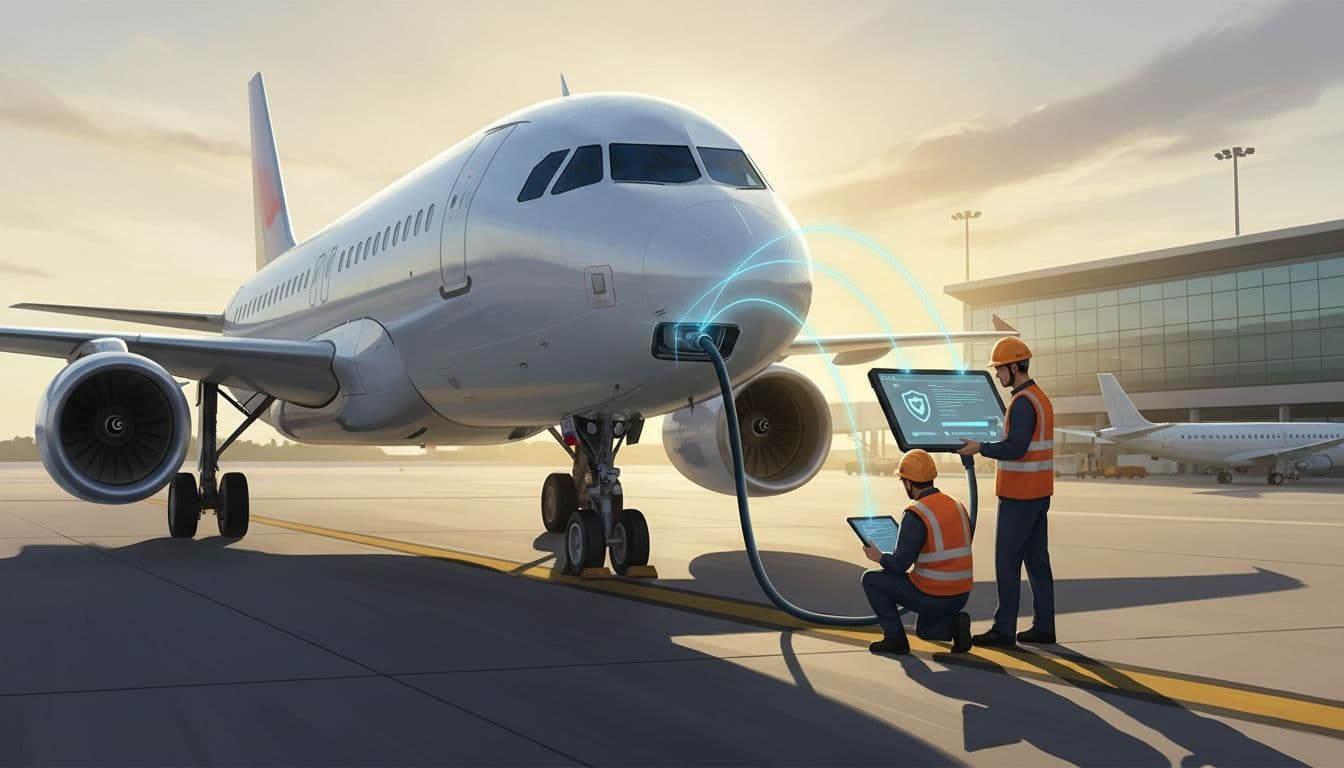
To apply the fix, maintenance crews connect a device known as a data loader to the aircraft in the cockpit. The data loader holds the approved software, which is uploaded to the flight computer through a secure, wired connection. This method helps guard against cyberattacks and prevents unauthorized changes.
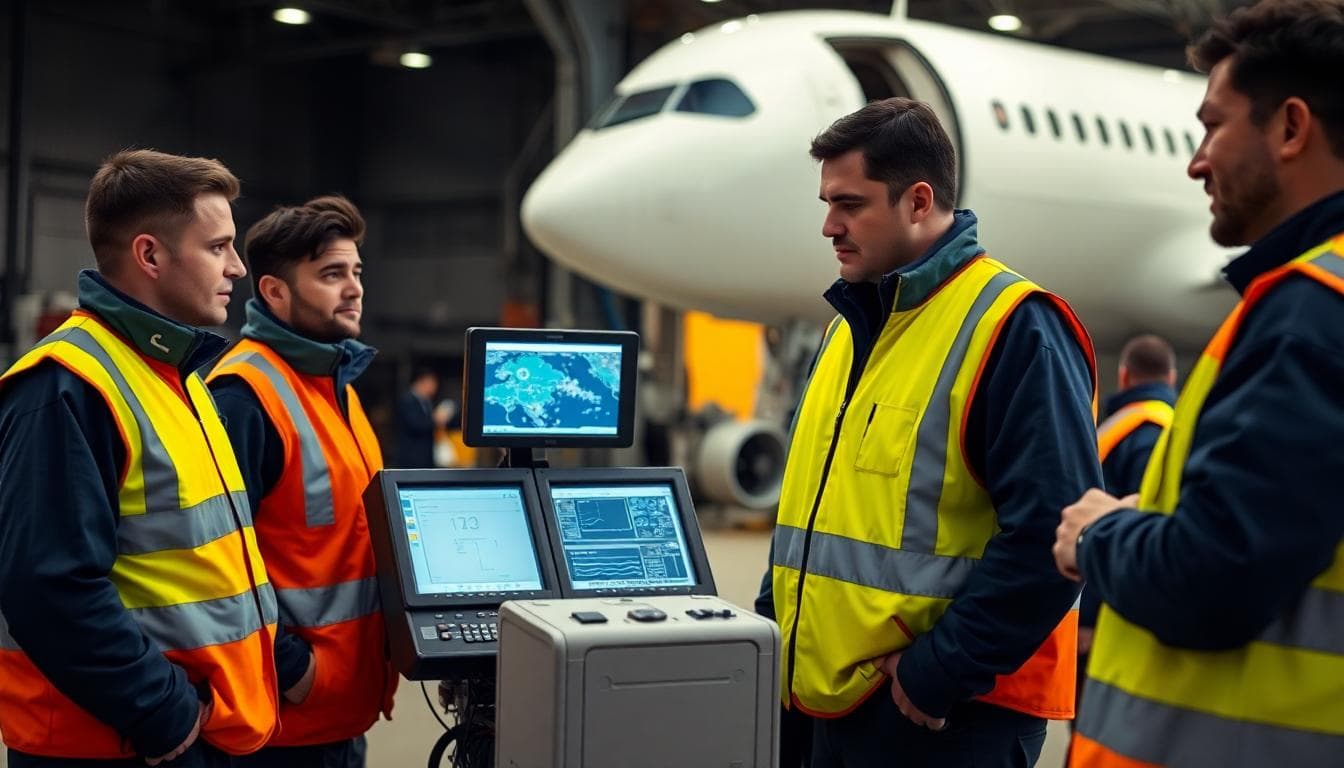
Airbus initially estimated that each aircraft would need around three hours of work. Once engineers on the ground started tackling the problem aircraft by aircraft, that estimate became more accurate and, in many cases, more manageable. Some airlines reported they were able to move through their fleets faster than expected, once they confirmed which jets were actually running the affected software version.
One challenge was hardware availability. At least one large airline reported delays because it did not have enough data loader units to update dozens of planes at the same time. In those cases, teams had to schedule aircraft through the update process in shifts, balancing safety priorities with the need to keep flights operating.
Airlines Ride Out The Disruption
The timing of the recall raised alarms because it overlapped with the busy U.S. Thanksgiving travel period, when demand and schedules are already tight. Some carriers warned of significant cancellations and delays when the alert first came out.
In practice, the disruption turned out to be milder than feared. A number of airlines from Asia to North America reported that they completed checks and updates on most of their affected aircraft within a couple of days. Some flight cancellations were unavoidable. For example, JetBlue said it would cancel about 20 flights on one Monday, and Colombia’s Avianca temporarily halted new bookings for flights through early December while it managed capacity.
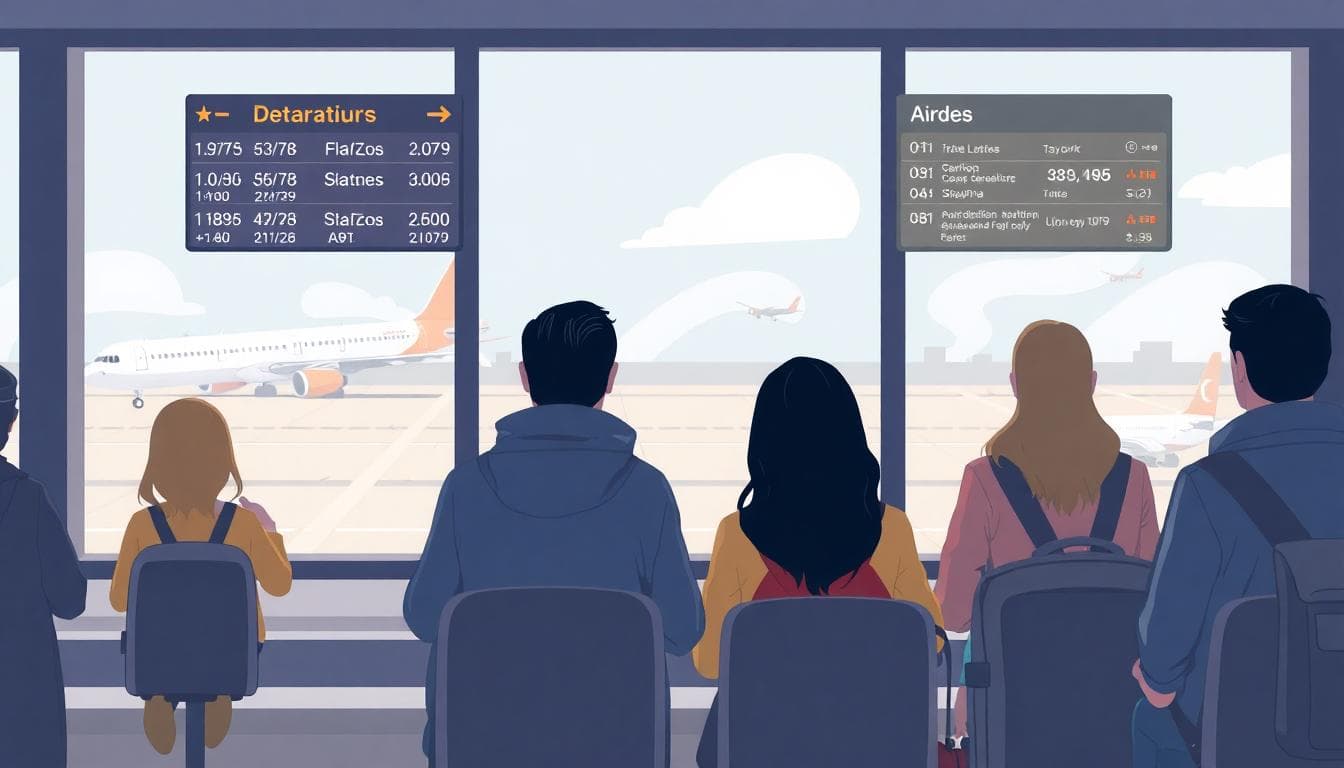
Many carriers focused on reshuffling aircraft and using unaffected jets to cover key routes. Engineers and operations teams worked long hours to prioritize both safety and schedule reliability. By the start of the new week, most airlines were already reporting “near normal” operations.
Lessons For Airbus After Boeing’s MAX Crisis
The way Airbus handled this recall is being closely watched by the aviation industry, especially given the long shadow of Boeing’s 737 MAX crisis. In that case, software-related problems and communication lapses damaged trust with regulators, airlines, and passengers.
This time, Airbus moved quickly to share information, coordinate with global regulators, and demand a conservative fix, even before every detail of the incident and the exact role of solar activity was fully confirmed. Analysts say that approach reflects a shift in how big manufacturers handle safety scares, with an emphasis on rapid, transparent action.
Markets still reacted to the news. Airbus shares slipped around 3% as investors weighed the risk of longer-term fallout. Thales, the company that supplies some of the flight computers used on the A320 family, also saw its stock fall by about 2%. Even so, early signs suggest the financial and operational impact will likely stay limited if no further issues emerge.
What This Means For Passengers
For everyday travelers, the technical details of a flight control software rollback can sound worrying. But the broader context is important. Modern commercial aviation has strong safety systems in place, which include aggressive responses when even a potential risk is identified.
In this case, regulators and Airbus chose to act first and analyze every detail later. That kind of conservative decision-making is one reason flying remains one of the safest ways to travel. While some passengers faced delays or cancellations, the goal was to make sure that every A320-family jet in the air meets the updated safety standard.
If you are flying on an Airbus A320, A321, or another member of the A320 family, chances are your aircraft has already been checked and, if needed, updated. Airlines and maintenance teams will continue to work with regulators and Airbus to monitor their fleets, especially as more information comes out about the original incident and the role of solar activity.
Final Thoughts
The rapid A320 software recall is a reminder of how complex modern aircraft are, and how quickly the global aviation system can respond when something looks off. In just a few days, airlines around the world reviewed their fleets, updated software, and kept most flights running with only limited disturbance.
For Airbus, the episode is both a stress test and a chance to show that it has learned from past industry crises. For passengers, the main takeaway is simple: short-term disruption can be frustrating, but it is part of a safety-first culture that keeps commercial flying extremely safe, even as aircraft depend more and more on advanced software.
To contact us click Here .