A minor earthquake gave the San Francisco Bay Area a quick shake on Thursday morning, reminding residents that they live in one of the most active seismic regions in the country. While the quake was small, it was strong enough for many people to feel a brief jolt or rolling motion at home, at work, or on their morning commute.
In this article, we will break down what happened near San Ramon, how strong the shaking was, what aftershocks are, and how you can prepare for the next earthquake, whether it is a minor event or something much larger.
Details of the San Ramon Earthquake
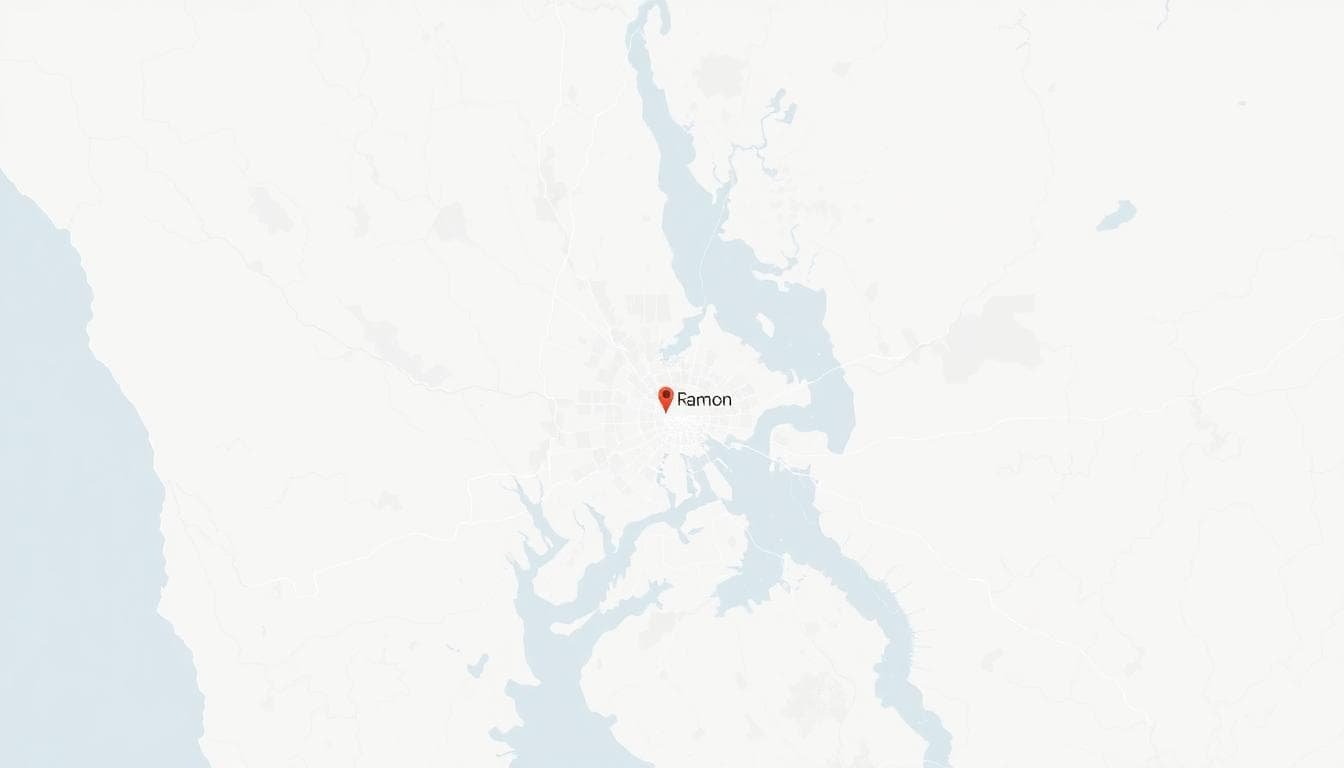
According to the United States Geological Survey (USGS), the earthquake struck at 7:27 a.m. Pacific time. It had a magnitude of 3.2 and was centered about 2 miles southeast of San Ramon, California. That puts the epicenter in the East Bay, within the broader San Francisco Bay Area.
A 3.2-magnitude quake is considered minor. Many people close to the epicenter can feel it, but it rarely causes damage. Some residents reported a light jolt, a quick rumble, or a short rolling motion that lasted only a few seconds.
Seismologists may adjust the reported magnitude as they review more data from seismic stations. It is common for early readings to be refined as experts analyze the full set of instruments and waveforms.
How Strong Was the Shaking?
USGS tracks shaking intensity using a scale known as the Modified Mercalli Intensity scale. For this quake, the area that likely felt noticeable shaking was mapped in the “weak” range and above. That means some people felt it clearly, while others in the same region may not have noticed anything at all.
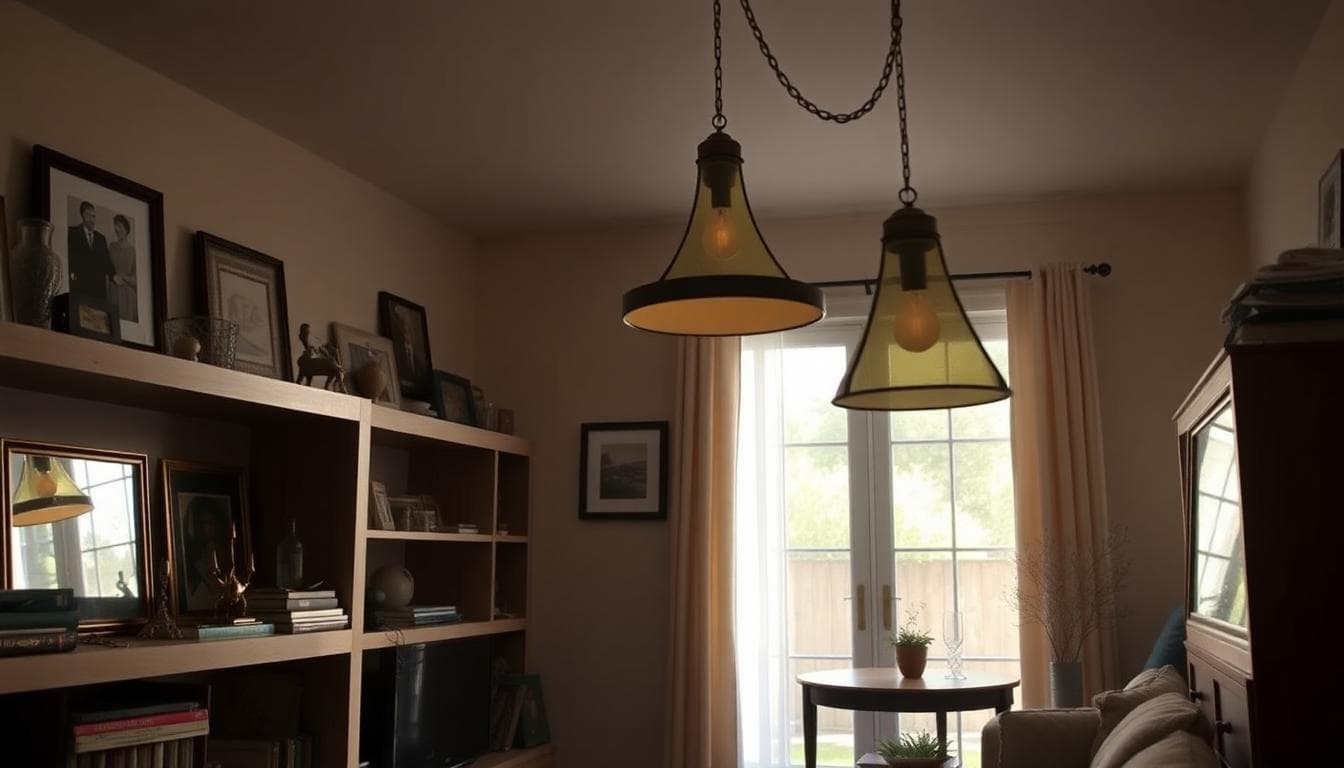
Light shaking can cause small items to rattle on shelves, hanging lights to sway, and windows to buzz. It usually does not cause structural damage, especially to modern buildings, but it serves as a useful reminder of the larger quakes that are always possible in California.
Where Was the Earthquake Felt?
While the epicenter was near San Ramon, people in surrounding communities may also have felt the small quake. In general, shaking is stronger and sharper the closer you are to the epicenter, and it fades as you move farther away.
USGS “Did You Feel It?” reports often show people feeling small quakes across multiple Bay Area cities, though the intensity drops off with distance. For a 3.2 event, the strongest effects are usually very localized, often limited to a radius of a few miles.
What Are Aftershocks and Should You Expect Them?
After many earthquakes, even small ones, people want to know if more shaking is coming. That is where aftershocks come in. An aftershock is a smaller earthquake that happens in the same general area as the main event. It is part of the crust adjusting after the first slip along a fault.
Aftershocks can occur within minutes, hours, days, or even weeks of the first quake. For a relatively minor event like this one, aftershocks are usually very small and may not be felt by most people. However, in larger earthquakes, aftershocks can sometimes be as strong as or stronger than the original quake.
Scientists often track earthquakes and aftershocks within about 100 miles and within a set window of days after the main event. That helps them understand how stress is moving along nearby faults and whether the pattern is typical.
Why Even Small Quakes Matter in California
A 3.2-magnitude earthquake might not sound impressive, and by global standards it is minor. But even small events are important reminders for people who live in the Bay Area.
- They highlight that local faults are active.
- They give residents a chance to practice how they respond in the moment.
- They reveal which homes and workplaces might have loose items or hazards.
In a region that sits near major faults like the Hayward and San Andreas, small earthquakes are like wake-up calls. They encourage people to think about emergency kits, home safety, and family plans before a larger event occurs.
How to Check Reliable Earthquake Information
Right after a quake, social media fills with questions and rumors. To find accurate information, it is best to go straight to trusted sources, such as:
- The United States Geological Survey (USGS) earthquake map and event pages.
- Your local city or county emergency services accounts.
- Regional news outlets that follow official data and seismologists.
USGS pages usually list the magnitude, depth, epicenter location, and a map of the shaking area. They also explain when the data was last updated and may include information about aftershocks as they occur.
Earthquake Preparedness for Bay Area Residents
Every minor quake is a good time to review your earthquake safety plan. Even if you barely felt the San Ramon event, you can still use it as a nudge to get ready. Here are some practical steps:
Secure Your Space
- Anchor tall bookshelves and cabinets to the wall.
- Use safety straps for TVs and heavy electronics.
- Keep heavy items on lower shelves instead of up high.
- Make sure hanging lights and ceiling fans are properly installed.
Build or Update Your Emergency Kit
- Water and nonperishable food for at least three days.
- Flashlights, extra batteries, and a basic first-aid kit.
- Backup chargers or a battery pack for phones.
- Copies of key documents in a waterproof bag.
Practice Safety Drills
- Teach everyone in the home to “Drop, Cover, and Hold On.”
- Pick safe spots away from windows, tall furniture, and heavy objects.
- Plan where to meet outside if you need to evacuate the building.
What to Do During a Light Earthquake
If you feel shaking, even if it seems minor, follow basic safety steps:
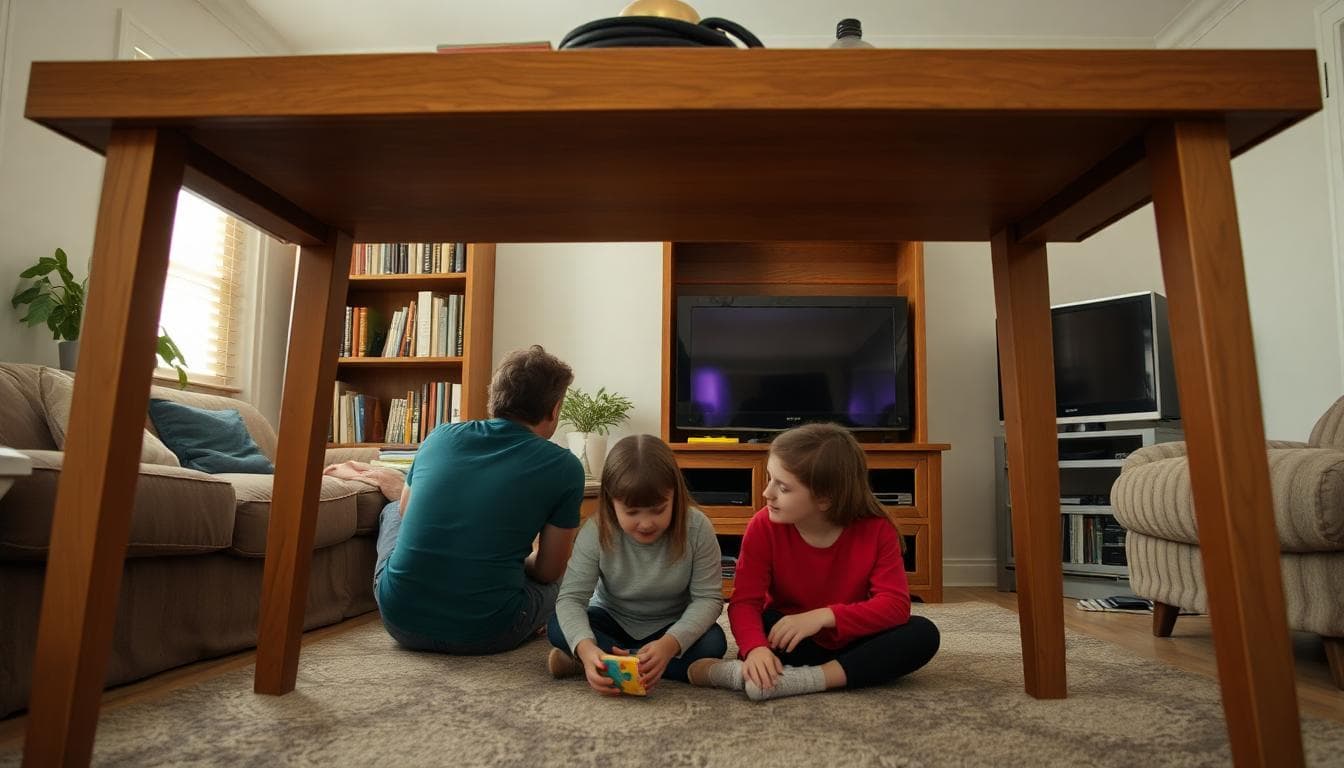
- Indoors: Drop to your hands and knees, take cover under a sturdy desk or table, and hold on until the shaking stops.
- Outdoors: Move away from buildings, power lines, and trees. Stay in the open until the shaking ends.
- In a car: Pull over safely, avoid stopping under overpasses or wires, and stay inside until the shaking stops.
For a small quake like the San Ramon event, the shaking may be over before you have time to act. Still, building the habit of reacting quickly can make a big difference during a larger earthquake.
Looking Ahead
The 3.2-magnitude earthquake near San Ramon was a reminder, not a disaster. It shook people awake, rattled a few shelves, and sparked fresh conversations about earthquake safety across the Bay Area.
Seismologists will continue to monitor aftershocks and update their data as new information comes in. For residents, the most important step is to stay informed, secure your space, and keep your family prepared. Small quakes come and go, but the choices you make now can help protect you when the next big one arrives.
To contact us click Here .