Ukraine is facing one of the hardest moments in its modern history. Reports say US officials are pushing President Volodymyr Zelenskyy to accept a peace deal with Russia soon. The message to Kyiv is harsh: sign now, or face a worse deal later. For many Ukrainians and allies, this feels like a painful choice between defending principles and keeping a vital partner.
In this article, we will look at what the reported deal involves, why the US is pushing for speed, how NATO allies are reacting, and what this could mean for Ukraine’s future.
What Is The US Telling Ukraine And NATO?
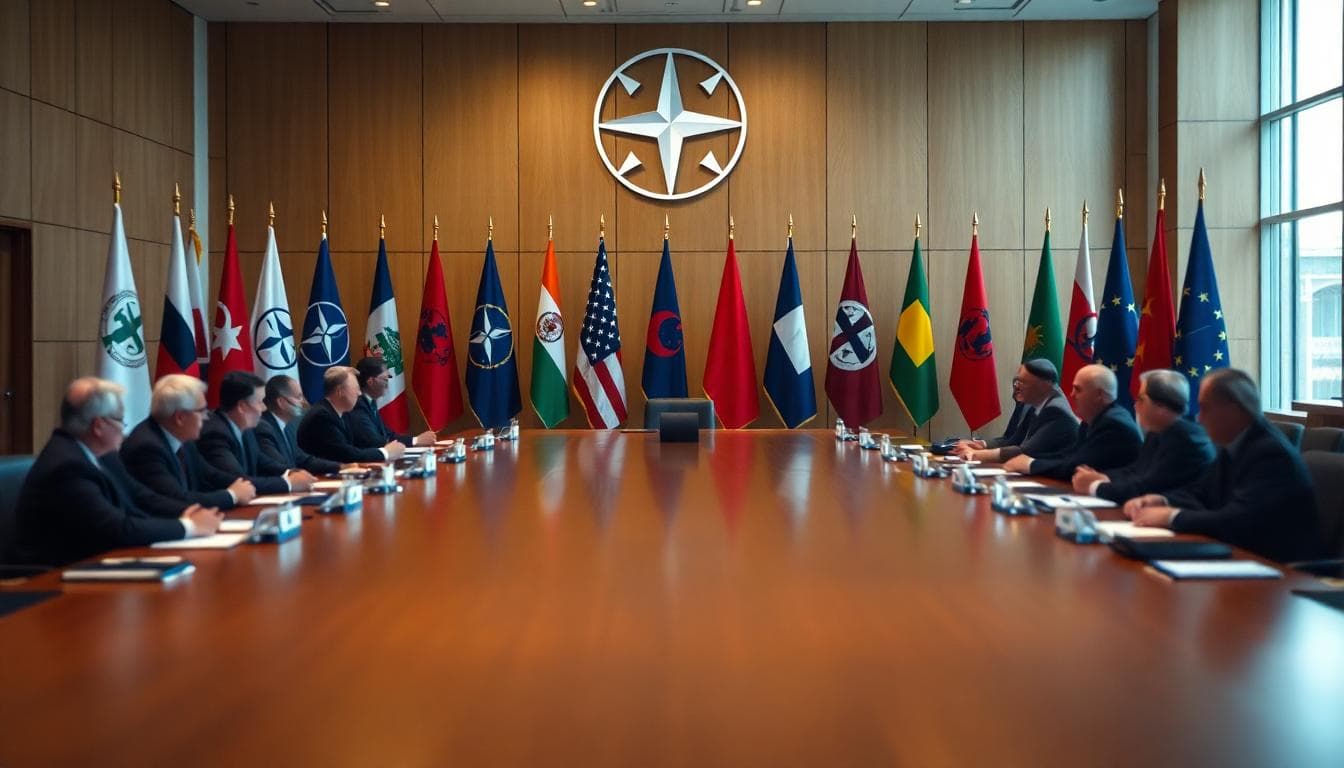
According to diplomats, US officials briefed NATO ambassadors in Kyiv and said they expect Zelenskyy to be pushed toward a peace agreement in the coming days. The tone was blunt. If Ukraine refuses now, they warned, future terms could be even more punishing.
The briefing left many European representatives worried and frustrated. Some felt that the US had moved too far, too fast, and had not kept allies fully informed while talking to Russia. Others questioned whether the proposal on the table truly serves Ukraine’s interests, or simply reflects pressure to end the war quickly.
The Reported Terms: Why The Deal Is So Difficult
The draft peace plan being discussed reportedly asks Ukraine to accept very heavy compromises. While details may still change, several core ideas appear to be especially painful for Kyiv.
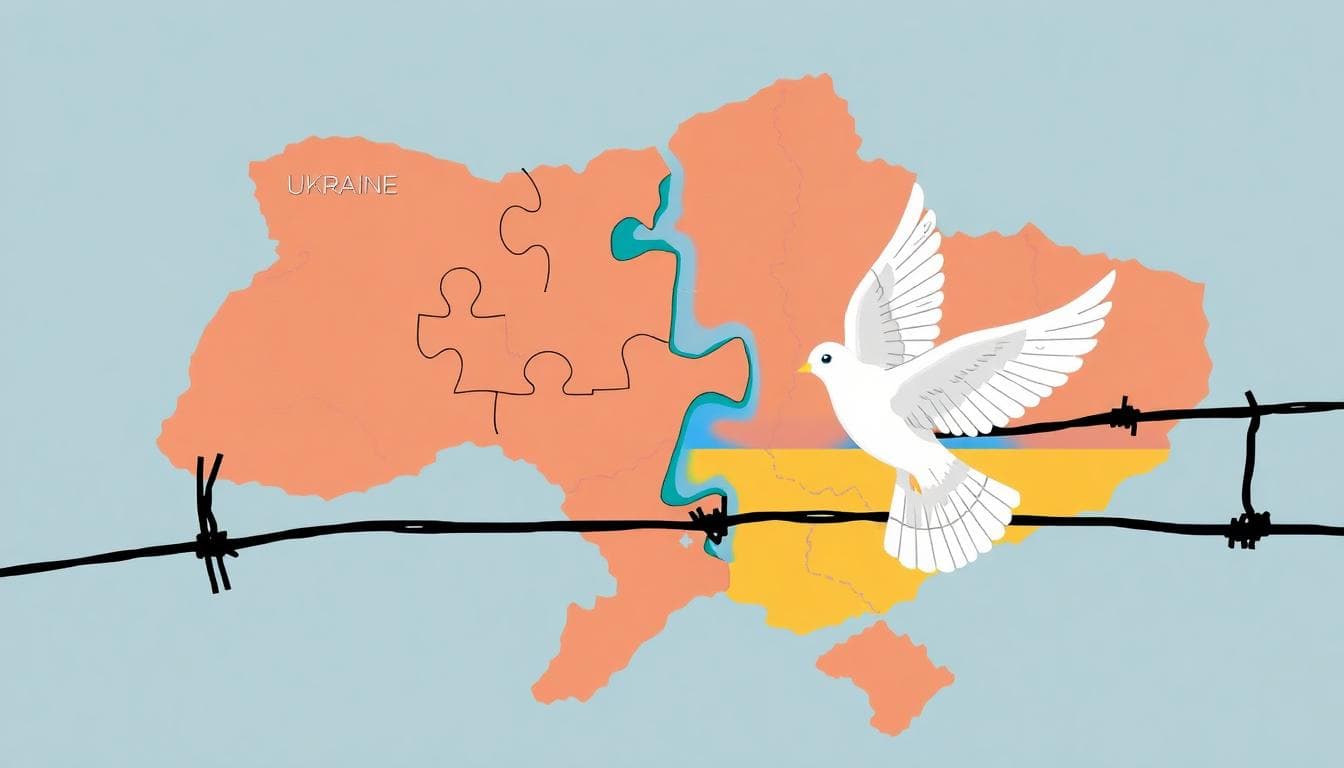
- Loss of territory: Ukraine would not only have to give up land currently occupied by Russian forces, but also surrender additional areas it still controls today.
- Amnesty for war crimes: The proposal is said to include some kind of amnesty for crimes committed during the war, which would be deeply upsetting to many Ukrainians who have suffered loss and trauma.
- Limited say for Ukraine: Much of the draft was reportedly shaped through back channels between US and Russian contacts, with Kyiv and some allies feeling sidelined.
For Ukrainians who have fought, sacrificed, and lost loved ones, the idea of signing away land and justice is extremely hard to accept. Many see it as choosing survival at the cost of sovereignty and dignity.
Zelenskyy’s Message To The Country
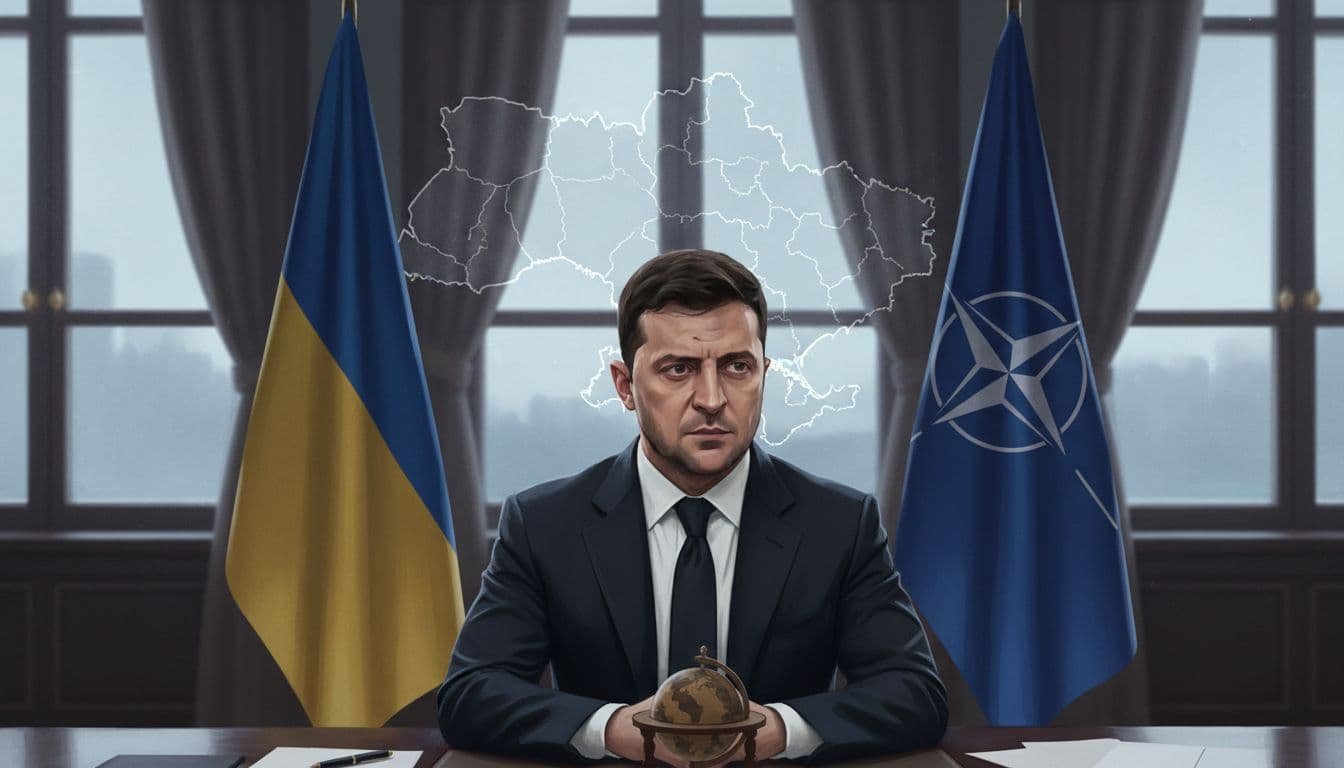
In a recent address, President Zelenskyy called this “one of the most difficult moments of our history.” He described Ukraine’s choice in stark terms: losing its dignity, or losing a key ally. Those words show how serious the pressure has become.
On one side, there is the long fight for independence, justice, and territorial integrity. On the other side, there is the risk of losing crucial military and political support from the United States, which has been central to Ukraine’s defense since the full-scale invasion began.
This tension lies at the heart of the current debate. Many Ukrainians want peace, but not on any terms. At the same time, they know that without support, holding the front lines in the long run may become much harder.
Why The US Is Pushing For A Fast Agreement
US officials argue that no peace deal is perfect, and that waiting longer might only make things worse for Ukraine. They say the current offer, while tough, could at least freeze the fighting and bring some stability. They also claim too many voices in the talks would make the process unmanageable and delay a settlement.
Political pressure inside the US is another factor. Some leaders want to show quick results, reduce the long-term cost of support, and signal that they can “end the war.” This creates a strong push for deadlines and aggressive timelines that may not match the pace or needs of Ukraine’s reality on the ground.
How NATO Allies Are Reacting
Some European allies were reportedly surprised by how far along the US-Russia contacts had gone before they were fully briefed. There is concern that Russia has had too much influence on the draft and that Ukraine’s interests have not been fully defended.
At the same time, European countries are divided. Some worry that an endless war will drain resources and political will, and they quietly support a push for compromise. Others fear that a weak deal would reward aggression and set a dangerous example for future conflicts.
The result is a tense and complicated diplomatic picture. Publicly, most allies still say they support Ukraine’s right to choose its own path. Privately, many are watching the US push and wondering how much room Kyiv will truly have to say no.
What This Could Mean For Ukraine’s Future
Any peace deal that ends major fighting will change Ukraine’s path for years to come. If the current proposal, or something like it, is accepted, several long-term questions will arise.
- Security guarantees: Will Ukraine receive firm, credible security promises to prevent future attacks, or will it be left exposed after giving up land?
- Justice for victims: If there is wide amnesty, how will the country deal with the pain and anger of those who lost family and homes?
- Rebuilding and reform: Even with a cold peace, Ukraine will need huge support to rebuild cities, infrastructure, and its economy.
- Place in Europe: Decisions now will affect Ukraine’s path toward closer ties with the EU and NATO in the years ahead.
These are not only political questions. They are personal for millions of Ukrainians who have lived through war, displacement, and loss since 2014 and especially since 2022.
A Choice With No Easy Answers
From the outside, it can be tempting to see peace talks as simple: if they stop the shooting, they must be good. But for Ukraine, the details of any deal matter as much as the headline. The cost will be measured in land, security, justice, and national identity.
Ukraine’s leaders now face a decision that will be judged for decades. Accepting a hard deal could save lives in the short term but leave deep wounds and a sense of unfairness. Rejecting it could keep the fight going, with the risk of reduced support and more pressure later.
There is no easy path here, only trade-offs. What is clear is that Ukraine should be at the center of any decision about its future. Allies can advise, push, and negotiate, but Ukrainians are the ones who will live with the outcome.
This article is for information only and does not offer policy advice. The situation is changing fast, and details of any final deal may differ from what is publicly reported today.
To contact us click Here .