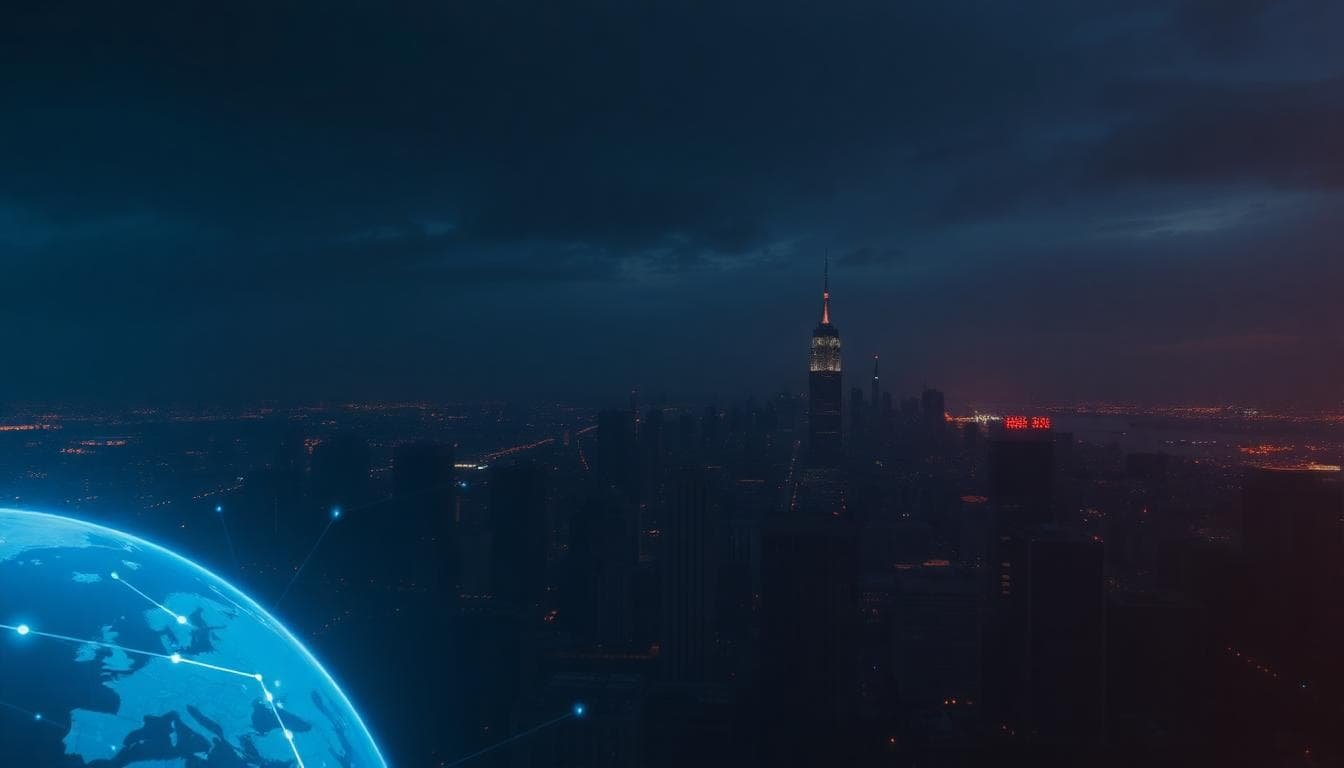
People joke about “touching grass” when websites go down, but cyber experts say a true global internet outage would be no joke at all. We rely on online systems to run banks, hospitals, transport, power grids, and even national security. If the internet went down and stayed down, the impact would be huge within hours.
Recent outages at big tech companies have already shown how fragile our systems can be. But those events were short and limited. So what if we faced something much larger, like a massive solar flare or a huge technical failure that took out the internet on a global scale?
How A Global Internet Outage Could Start
Experts often point to two main triggers for a worldwide internet shutdown. The first is a major cyber incident, such as a coordinated attack on core internet infrastructure. The second is a powerful solar storm that damages satellites, cables, and power grids.
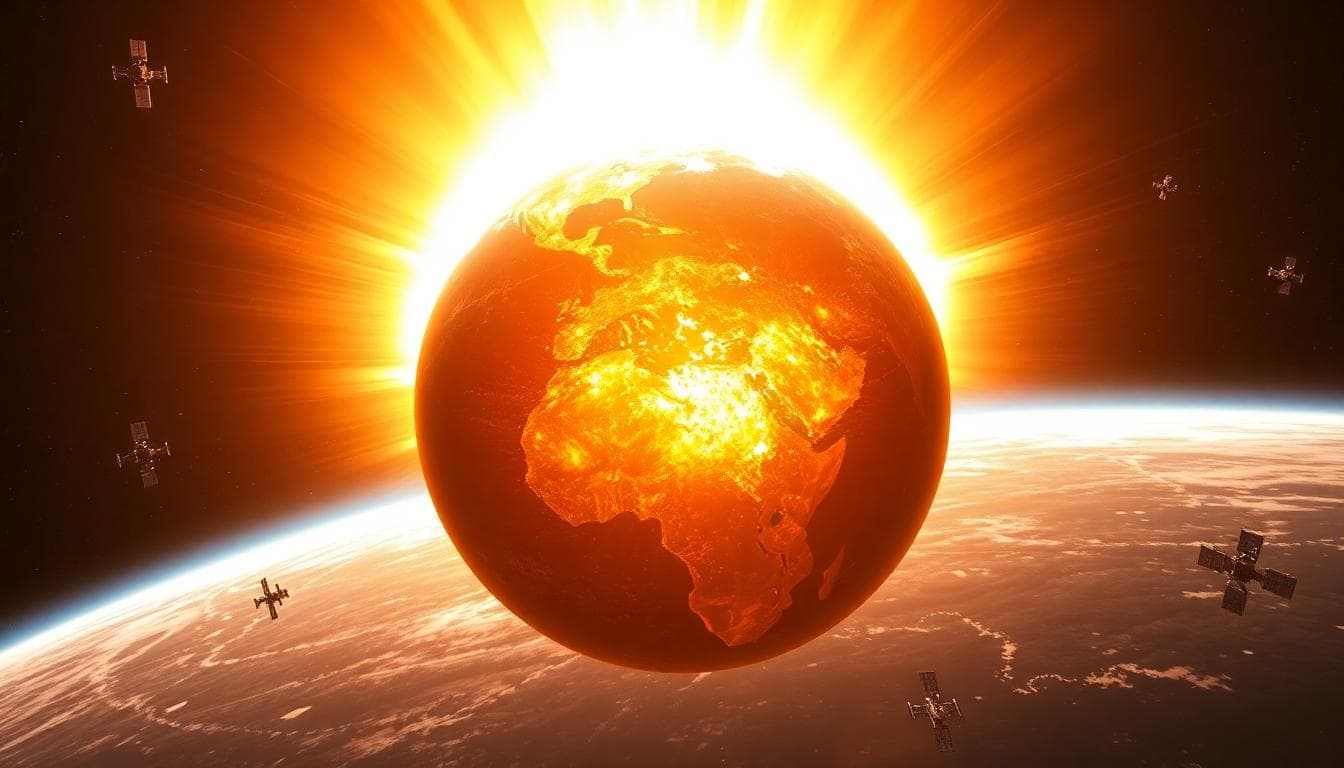
A huge solar flare can send a cloud of charged particles toward Earth, known as a coronal mass ejection (CME). If it hits the planet directly, it can:
- Disrupt GPS and communication satellites
- Cause power surges in long power lines
- Damage transformers and critical grid equipment
- Knock out high-frequency radio and navigation systems
Scientists have records of past events, such as the Carrington Event in 1859, that caused telegraph systems to fail and wires to spark. Today, our systems are far more complex and far more connected, so the stakes are much higher.
The First Hours: Confusion And Communication Blackouts
In the first few hours of a true global outage, the most visible problem would be communication. Your phone might turn on, but:
- Messaging apps would not send or receive anything
- Websites, search engines, and email would not load
- Online banking and payment systems would stop working
- GPS-based apps could fail or show old information
Emergency services would also struggle to coordinate. Control rooms rely on internet-connected tools, maps, and databases. Without them, response times slow down, and small incidents can spiral into bigger crises.
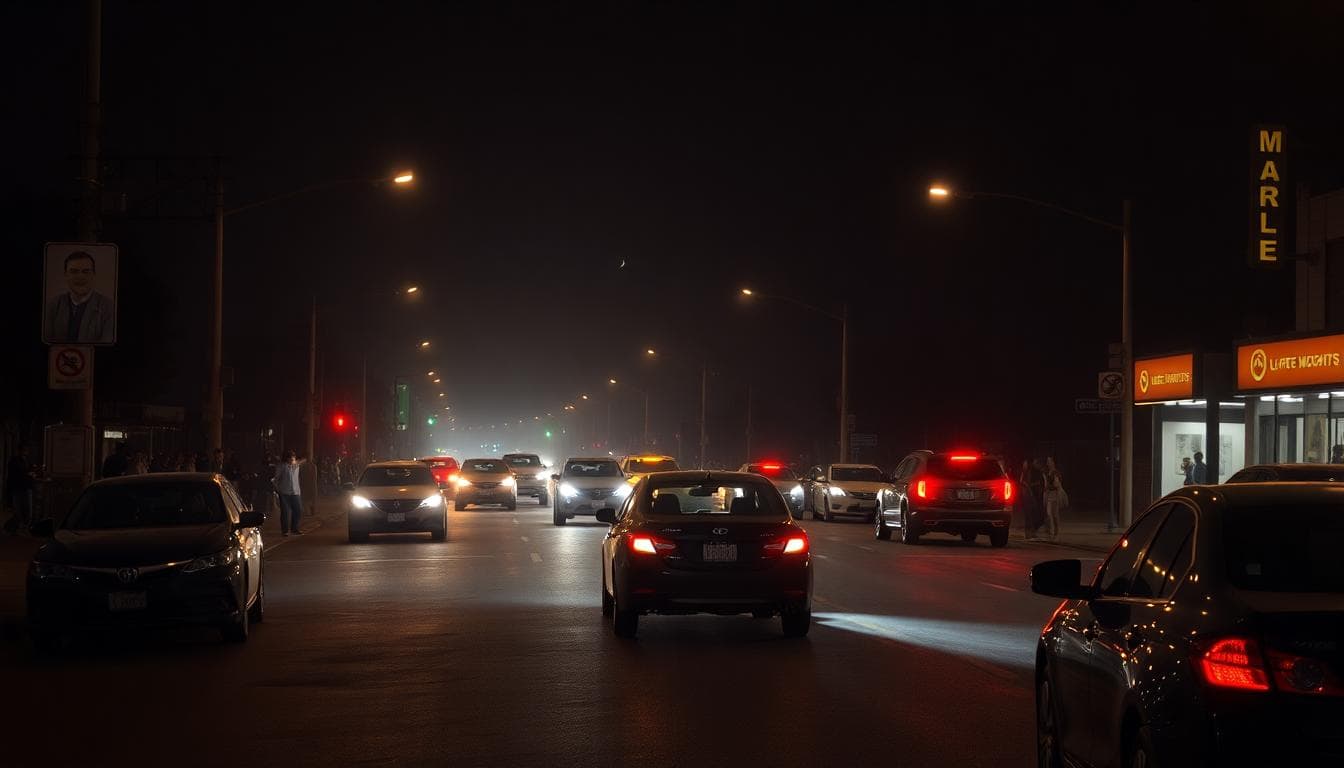
Traffic lights, smart signs, and connected transport systems all rely on digital networks. In busy cities, losing them would mean instant gridlock, more accidents, and huge delays for ambulances, fire engines, and police.
Day One: Power, Money, And Supply Chains
As the outage continues through the first day, the problems move from “annoying” to “serious.” The internet is deeply tied to power, money, and supply chains.
Power grids use digital control systems, remote monitoring, and automated responses to balance demand. Without reliable communication, operators have to switch to slower, manual methods. If the original cause was a solar storm that also damaged grid equipment, large areas could lose electricity for long periods.
Banking and payments are hit next. Card readers, online transfers, ATMs, and mobile payments all use internet-based networks. Shops may only accept cash, if they stay open at all. Many people do not keep much physical money on hand, so buying fuel, food, or medicine becomes harder.
Supply chains depend on live tracking, warehouse systems, and digital orders. Supermarkets do not keep big backlogs of stock; they rely on rapid deliveries. If delivery systems cannot communicate, shelves start to empty and panic buying makes it worse.
Hospitals And Emergency Services Under Pressure
Hospitals are designed to handle short-term power problems with backup generators. But without stable internet and electricity, their work becomes more risky and more exhausting very quickly.
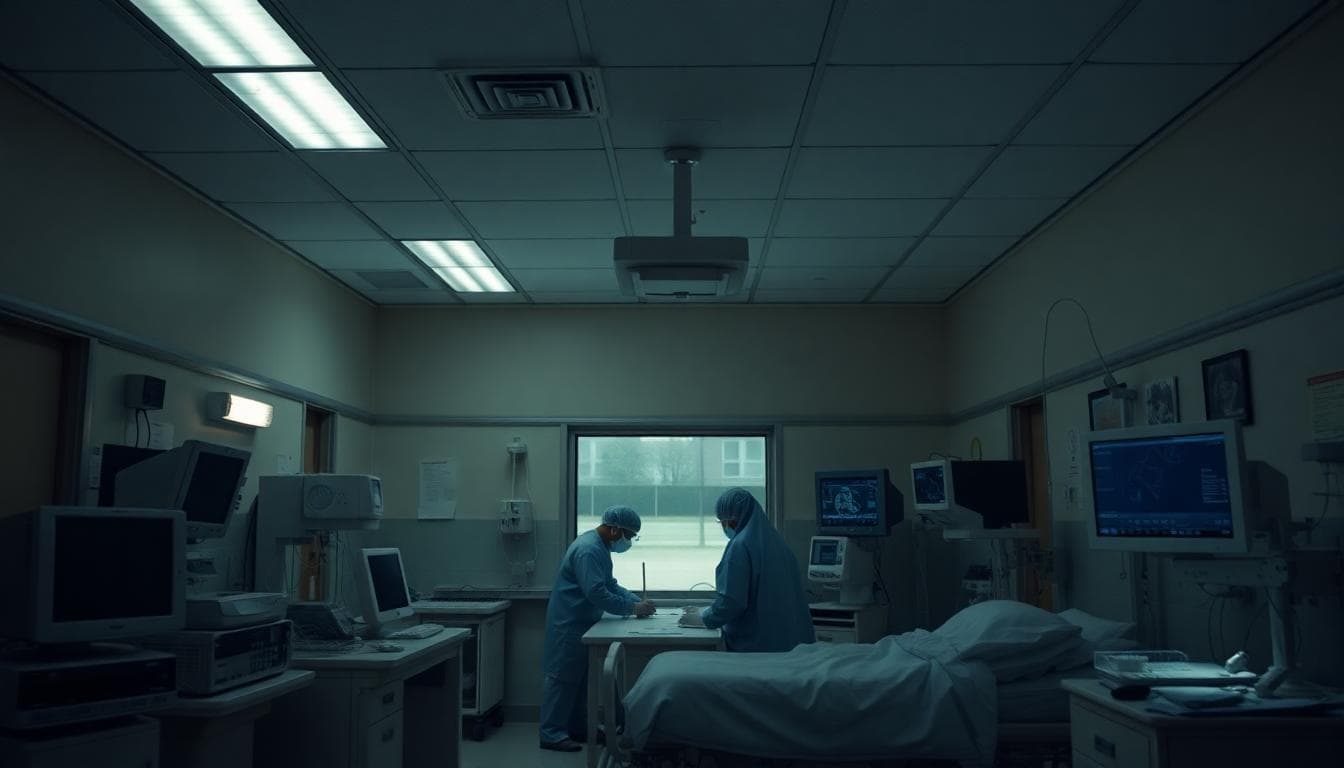
Modern healthcare depends on:
- Electronic health records and digital patient notes
- Online lab systems and imaging storage
- Connected equipment that sends data to central monitors
- Cold storage for medicines and vaccines
In a long outage, staff might need to switch back to paper, track patients by hand, and prioritise only the most critical treatments. Backlog grows, waiting rooms fill, and life-saving operations can be delayed.
Emergency services face similar stress. Without reliable radio repeaters, GPS, or shared databases, they have to fall back on older, slower methods: fixed phone lines, local radio, and physical briefings.
Security, Crime, And Public Order
CCTV systems, alarm systems, and access control in many cities all connect to networks. If power cuts and internet outages hit at the same time, large parts of that security layer vanish.
Most people remain calm in short outages. But as hours turn into days, fear can grow. People rush to fill cars with fuel, stockpile food, or queue for cash. If police are also struggling to communicate and move around, it becomes harder to keep order in busy areas.
Governments might call in the military to support logistics, protect key sites like power stations and hospitals, and help move supplies. Old-fashioned tools such as field telephones, paper maps, and Morse code could return as backup communication methods.
Could One Country Stay Online?
Some nations have tried to build more isolated internal networks that can run with less connection to the global internet. These systems might keep a few basic services running if external links go down.
But even then, they still depend on:
- Working power grids
- Physical undersea cables and data centers
- Skilled engineers and secure equipment
So while one country might be less affected than another, a true global incident would still cause major disruption almost everywhere.
How Likely Is A Total Global Internet Collapse?
Cyber experts stress that a full, long-term global internet shutdown is very unlikely. The internet was designed to be resilient and to route around damage. There are many cables, many providers, and many backup systems.
What is more likely are:
- Regional outages that affect whole countries or continents
- Short but severe incidents caused by human error or software bugs
- Targeted attacks on key companies or government networks
Solar storms are a real risk, but scientists monitor the Sun closely. If a big event is coming, operators can sometimes take steps to protect equipment, such as shutting down lines, re-routing power, or putting satellites into safe modes.
How You Can Prepare As An Individual
You cannot stop a solar flare or a deep technical failure, but you can prepare for shorter outages in simple ways. Think of it like planning for a bad storm.
- Keep a small store of food, water, and basic supplies at home
- Have some cash in case card payments fail
- Print or write down important phone numbers and addresses
- Own a basic radio, torch, and power bank
- Back up important digital files offline when possible
If you run a website, online shop, or content business, it also helps to:
- Know your hosting and backup options
- Export key email lists and customer data regularly
- Use more than one platform to reach your audience
Final Thoughts
A full global internet blackout would be chaotic, and in some cases, dangerous. But experts also point out that governments, power companies, and tech firms are aware of these risks and work to reduce them.
For everyday users, the best approach is not panic, but preparation. Treat digital systems as powerful tools, not guarantees. If you have a few backups in place, you will cope better with the next big outage, whether it lasts a few minutes or much longer.
To contact us click Here.