A magnitude 4.6 earthquake shook the southeastern region of Hawaii’s Big Island late Wednesday night, giving residents a sharp reminder that they live in one of the most geologically active places on Earth. The quake struck just before midnight local time and was recorded by the U.S. Geological Survey (USGS).
According to early reports, the earthquake did not cause serious damage or trigger a tsunami. Still, many people across the island felt the shaking, especially in communities closer to Kilauea volcano.
Where the Earthquake Struck
The USGS located the quake on the south flank of Kilauea volcano on Hawaii’s Big Island. This region is known for frequent seismic activity due to the slow movement of the volcano’s flank. The quake originated at a depth of about three miles underground, which is considered shallow, and can be felt more strongly at the surface.
The Hawaii Emergency Management Agency confirmed the location and nature of the event. The agency also reassured the public that no tsunami was expected from this earthquake, which helped ease some immediate fears for coastal communities.
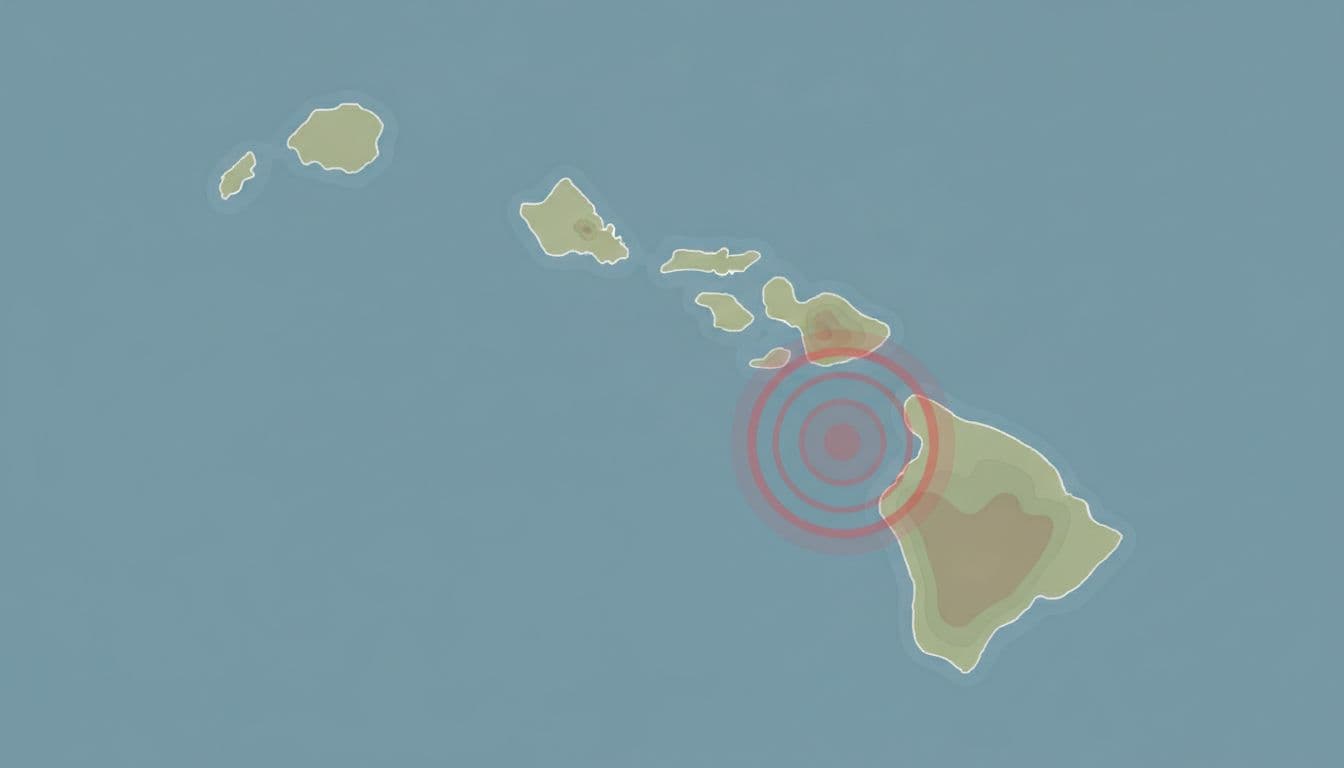
Connection to Recent Kilauea Eruptions
Kilauea is one of the most active volcanoes in the world. In recent days, the volcano has shown fresh activity, including new lava fountaining episodes. This has led many residents and visitors to wonder if earthquakes like this are directly tied to current eruptions.
In this case, the USGS said the 4.6 magnitude earthquake does not appear to be directly linked to the most recent Kilauea eruptions. The quake occurred about ten minutes after the end of an episode of lava fountaining, but scientists believe it was part of the usual movement of the volcano’s south flank, not a direct result of magma pushing toward the surface.
Most earthquakes in this region are caused by the slow, steady sliding of Kilauea’s south flank toward the ocean. As the volcano grows and shifts, stress builds up in the rocks, then releases as earthquakes. This is a long-term pattern that has shaped the island for thousands of years.
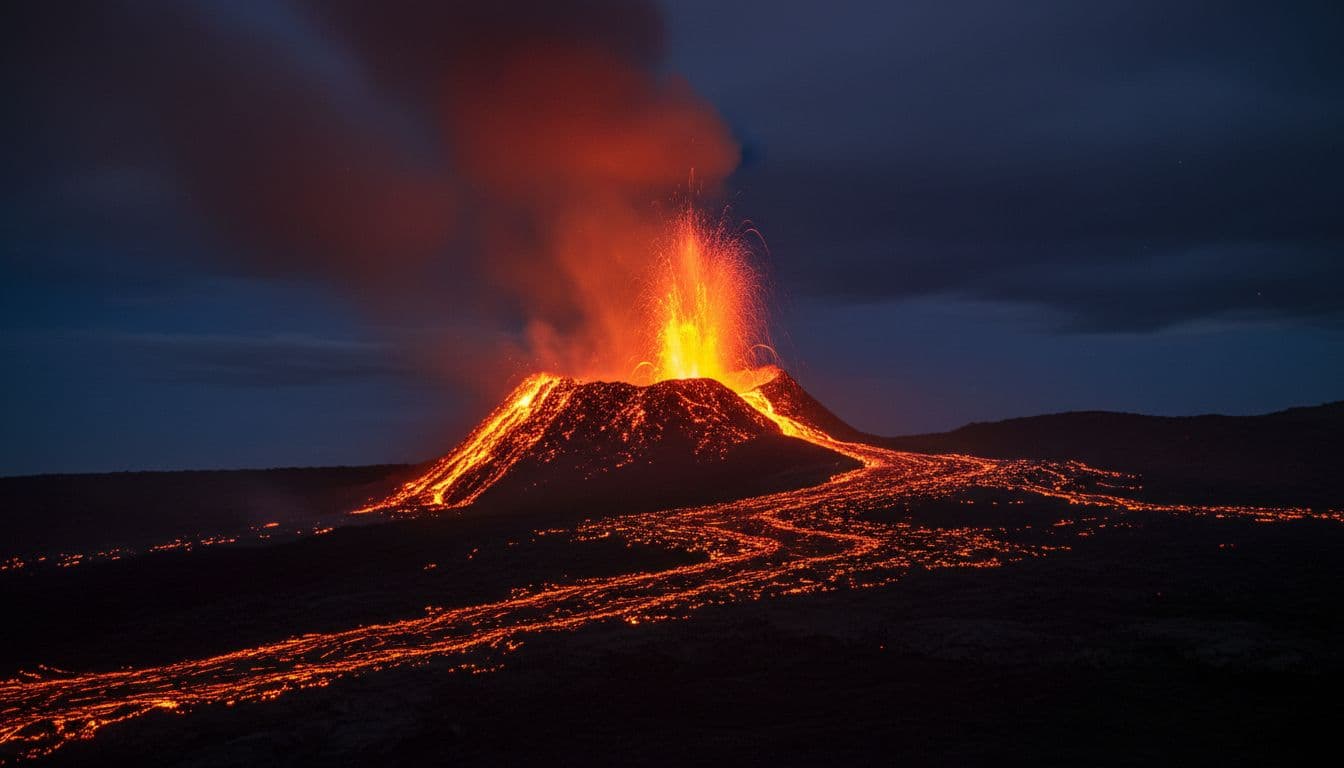
Impact on Mauna Loa and Kilauea
The USGS reported that the earthquake did not appear to affect either Mauna Loa or Kilauea in any significant way. There were no signs of increased volcanic activity linked directly to this quake.
For residents who live near these volcanoes, this kind of update is important. Both Mauna Loa and Kilauea can produce powerful eruptions, and people pay close attention to any early warning signs. In this case, scientists see the quake as part of ongoing background activity that is common on the Big Island.
While the event itself was noticeable, experts say it fits within the normal pattern of seismic movement in the area. That does not mean people should ignore it. Instead, it serves as a reminder of the need for preparation and awareness in a region shaped by magma and shifting rock.
Reports of Damage and Local Reaction
As of the latest updates, there were no reports of significant damage from the 4.6 magnitude earthquake. Some residents likely felt shaking, rattling windows and dishes, especially in communities closer to Kilauea. However, there were no major structural issues or injuries reported.
For many people on the island, small to moderate earthquakes are part of daily life. They are used to feeling the ground move from time to time. Even so, every noticeable quake brings a new wave of social media posts, questions, and calls to local agencies.
Local officials again reminded residents to keep emergency kits ready, know their household plans, and stay informed through trusted sources, such as the USGS and Hawaii Emergency Management Agency.
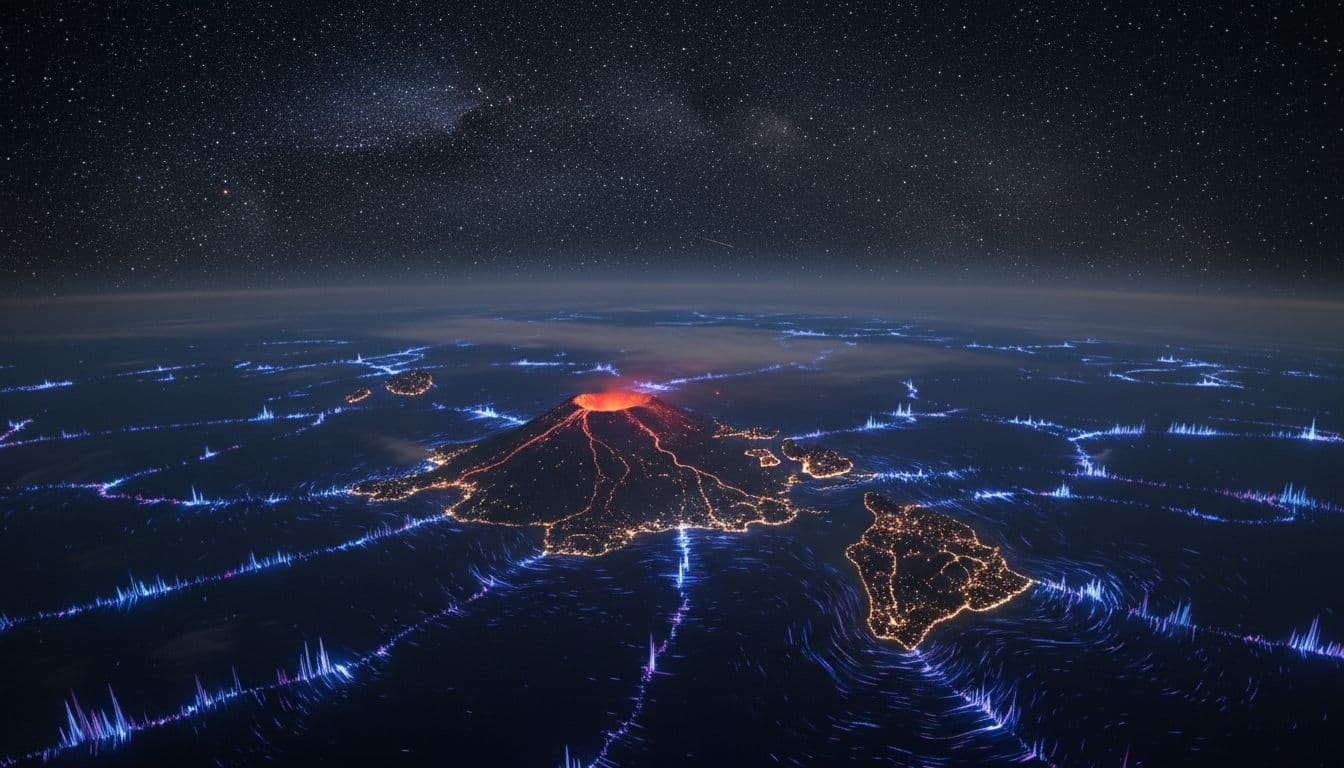
Why Earthquakes Are Common in Hawaii
Hawaii sits on top of a hot spot in the Earth’s mantle. Magma rises from deep within the planet and creates volcanoes, which in turn build islands. As the islands grow, the weight of new rock and lava can cause the crust to shift and crack, which leads to frequent earthquakes.
On the Big Island, Kilauea and Mauna Loa are two of the most active and closely watched volcanoes. The movement of magma beneath these volcanoes and the slow sliding of their flanks create hundreds of small quakes every year. Many are too small for people to feel, but instruments pick them up and help scientists track changes deep underground.
When a larger quake hits, such as this 4.6 magnitude event, it draws attention back to the natural forces that shape the island. It also highlights the importance of ongoing research, monitoring equipment, and public safety planning.
Staying Safe and Informed
Even when an earthquake does not cause major damage, it can serve as a useful wake-up call. Residents and visitors on Hawaii’s Big Island can take a few simple steps to stay ready.
- Secure heavy items at home, such as bookshelves, TVs, and cabinets.
- Keep a basic emergency kit with water, food, flashlights, and a first-aid kit.
- Know where to drop, cover, and hold on if shaking starts.
- Follow trusted sources, such as USGS and local emergency agencies, for real-time updates.
- Have a family communication plan in case cell networks are busy after a larger event.
Scientists will continue to monitor the region around Kilauea closely in the coming days and weeks. For now, the 4.6 magnitude earthquake appears to be part of the ongoing activity that comes with living on an active volcanic island.
While this event did not cause serious harm, it is another reminder that Hawaii’s beauty is deeply linked to powerful forces beneath the surface. Staying informed, prepared, and calm is the best way for communities to live safely with these natural hazards.
To contact us click Here .